
Files can pass CAD checks and still create build risk.
Footprints, edge clearance, panelization, solderability and assembly access need manufacturing review, not only software DRC.
Send the project files you already have. EBest PCBA engineers review manufacturability, BOM risk, process requirements and inspection needs before quotation and production release.

Production problems become expensive after materials are purchased or boards reach the line. Engineering review moves preventable questions into a stage where your team can still approve, correct or clarify them.
Footprints, edge clearance, panelization, solderability and assembly access need manufacturing review, not only software DRC.
Long lead time, EOL, shortages, alternates and verification requirements should be visible before purchasing starts.
BGA, fine-pitch, mixed technology, coating and test access need a practical build route before line release.
Open questions, inspection scope, customer decisions and traceable records support a more documented supplier approval.
You do not need a perfect package to start. The review identifies missing inputs, unresolved risks and the decisions required before quotation or release.
Gerber, ODB++, BOM, drawings, test needs, target quantity and known constraints can start the review.
Missing inputs, conflicting revisions and quotation assumptions are identified instead of silently guessed.
Manufacturability, lifecycle, shortage, package and sourcing questions are connected to the affected item.
Fabrication, SMT/THT, special handling, inspection and test requirements are matched to project risk.
Open questions and proposed changes remain visible until the responsible customer and engineering roles agree.
Approved files, assumptions, controls and required records become the reference for production.

Your project is not left in a general sales inbox. One project owner coordinates the engineering functions responsible for manufacturability, process and quality decisions.
Project engineerCloses questions, customer decisions, schedule dependencies and communication from review to shipment.
DFM engineerIdentifies fabrication and assembly risks in layout, stack-up, panelization and soldering conditions.
Process engineerDefines the practical SMT/THT route, stencil, reflow, fixture, coating and special handling needs.
Quality engineerConnects acceptance criteria with inspection, nonconformance response and required traceability records.
Engineering claims are useful only when they lead to findings, decisions, inspection evidence and controlled records.
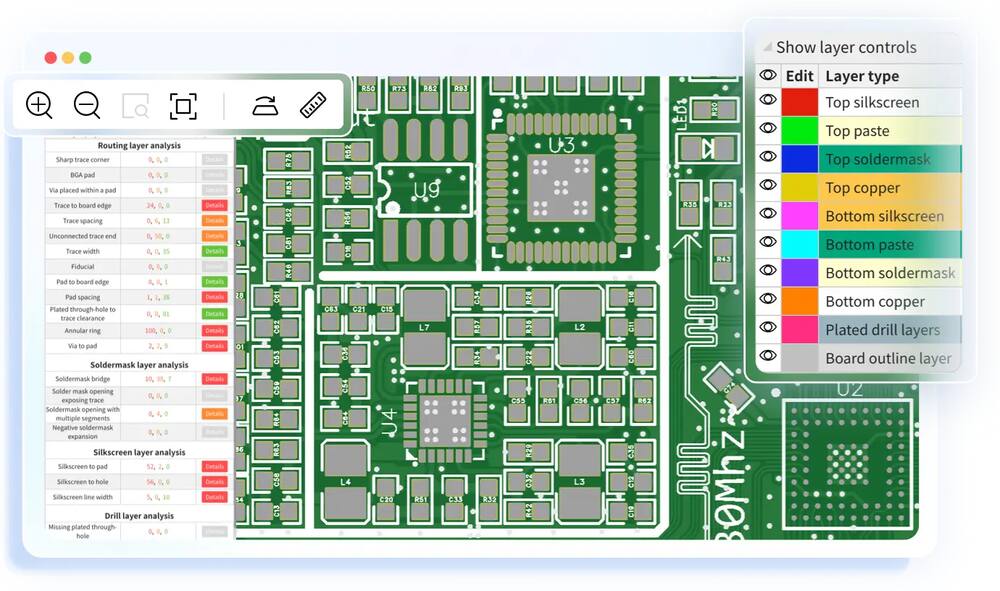
Manufacturability risks can be returned with location, issue type and recommended correction before build.

Lifecycle, shortage, lead time and sourcing risk are discussed before purchasing decisions become delays.
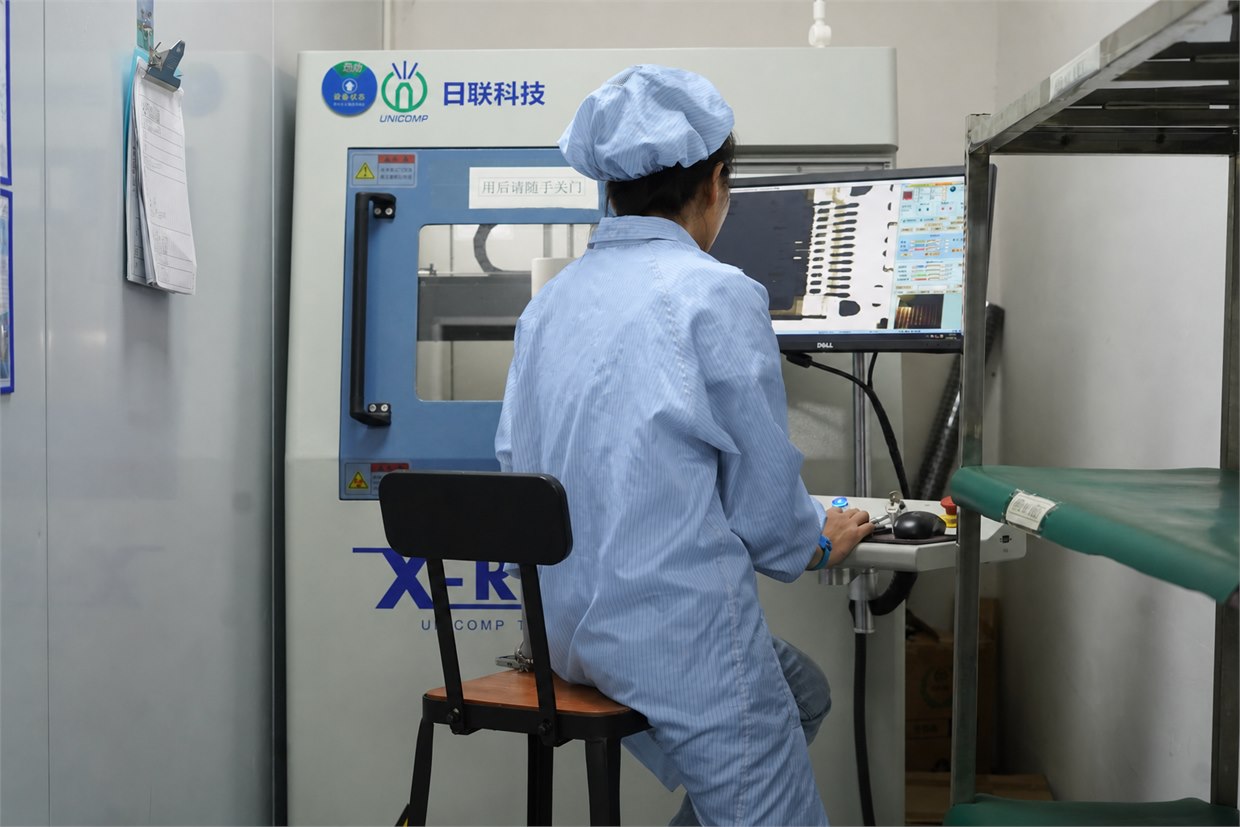
BGA, hidden joints and high-risk assemblies can be matched with AOI, X-ray, ICT or FCT planning.

Production, inspection and delivery evidence supports repeat orders and long-lifecycle supplier review.
The files supplied determine the review output. We return identified manufacturing risks, quotation assumptions, missing information and items requiring customer approval.
Manufacturability concerns can be tied to the affected feature, risk type and recommended correction.
Missing data, conflicting revisions and quotation assumptions remain visible for closure.
Lead-time, lifecycle, package, availability and proposed-alternate questions are communicated before purchasing.
Fabrication, assembly, special handling and process requirements are aligned with the released files.
First article, AOI, X-ray, ICT, FCT or outgoing checks are proposed where applicable to project risk.
Approved files, customer decisions and required records form a clearer baseline before the build starts.
After reviewing the available files and project requirements, we confirm the checks to be completed and the records to be supplied.

A customer preparing a repeat build needed one review path connecting design files, component status and the inspection route before placing the next order.
Gerber, BOM, assembly drawing, prototype notes and the expected repeat-build quantity.
Manufacturing clearances, BOM lifecycle exposure, unresolved substitutions and inspection access for higher-risk joints.
Findings were organized by affected item, proposed route and the customer decision required before release.
The next build could reference an approved file baseline, agreed material decisions and a defined inspection path instead of restarting the discussion.