

01 / AVIONICS ENGINEERING
Avionics PCB Layout & DFM
Review placement, routing, stack-up, controlled impedance, thermal paths, assembly access and manufacturing outputs against approved avionics inputs.
Review avionics PCB layout →Connect PCB layout, fabrication, sourcing, assembly, inspection and traceable release in one controlled route for high-reliability aerospace and avionics electronics.
 Aerospace Electronics Application
Connect avionics PCB layout, aerospace PCB prototyping, controlled fabrication, approved sourcing, assembly, inspection and release evidence against one project baseline.
Review placement, routing, stack-up, controlled impedance, thermal paths, assembly access and manufacturing outputs against approved avionics inputs.
Review avionics PCB layout →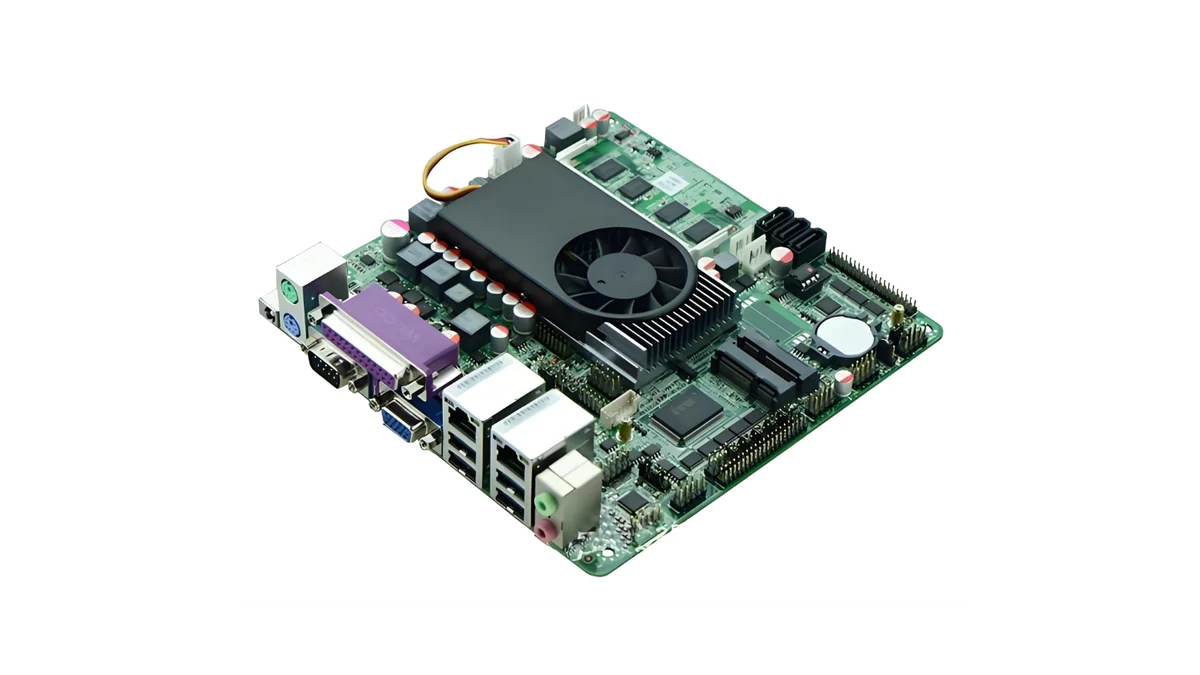
Use controlled engineering builds to confirm construction, documentation, assembly constraints, inspection access and open risks before repeat production.
Review aerospace PCB prototypes →
Release approved material, stack-up, drill, finish, impedance, inspection and panel requirements with the applicable traceability controls.
Review aerospace PCB production →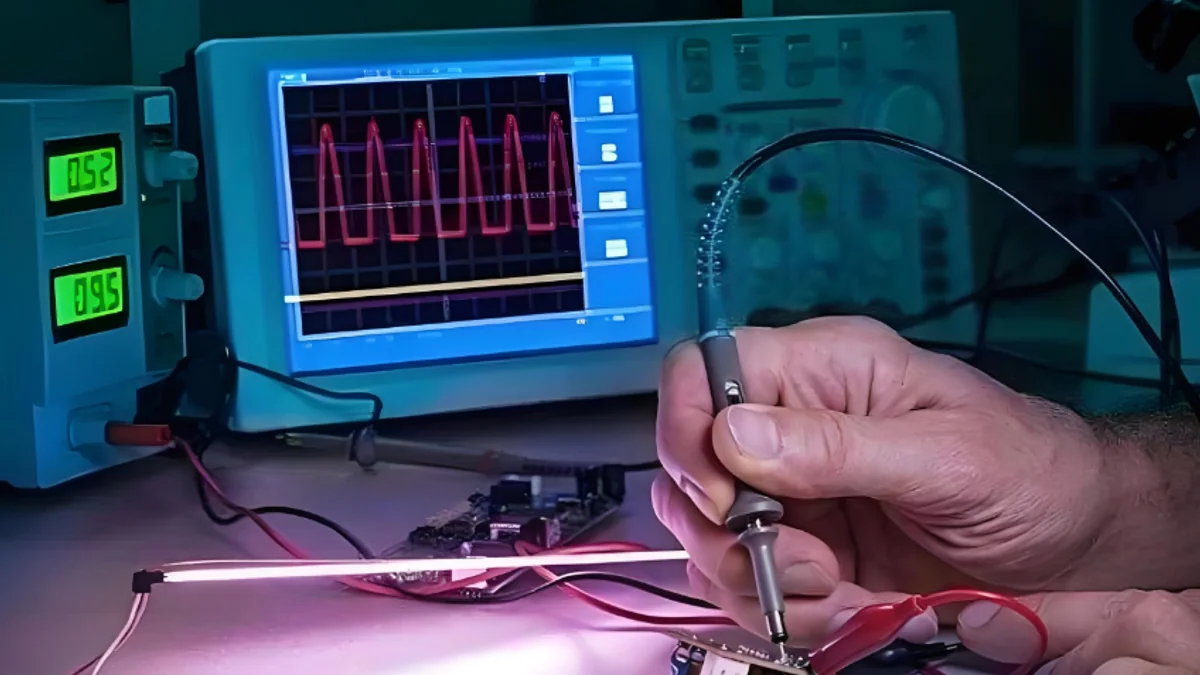
Connect approved components, assembly, inspection, project-defined testing, traceability and delivery records in one released aerospace build package.
Review aerospace PCBA →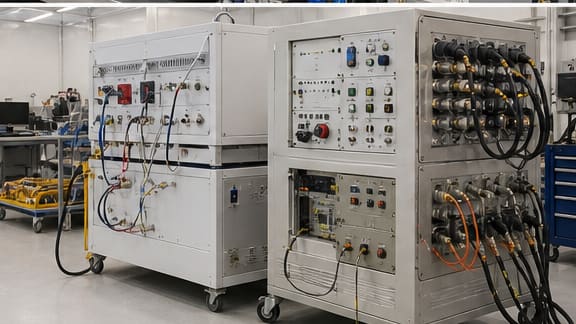
For aerospace electronics, the approved construction, materials, component sources, inspection plan and release records must remain consistent from first article through repeat production.
Review material, thermal cycling, vibration, connector support and mechanical interface conditions before construction is released.
Confirm stack-up, dielectric data, impedance, reference planes, copper geometry and verification requirements from the actual design.
Connect approved manufacturers, source control, lifecycle status, alternates and customer authorization before components enter production.
Keep material, process, inspection, test, revision and delivery records linked to the released build configuration.
The application changes the reliability, material, electrical, mechanical and documentation questions. These scenes represent the program context; final capability is confirmed from project files.

Control, display, navigation and interface electronics where approved revisions, signal integrity and verification evidence must remain aligned.
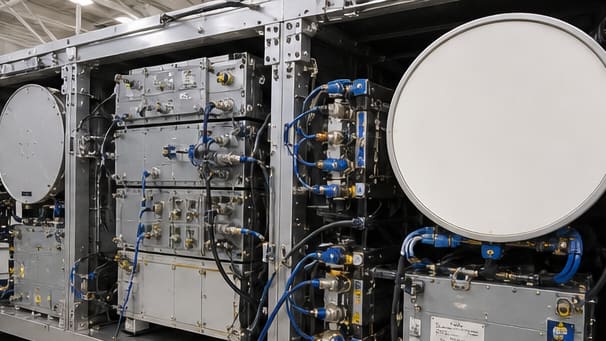
Material, controlled impedance, RF launch, grounding, thermal and inspection requirements reviewed as one electrical construction.
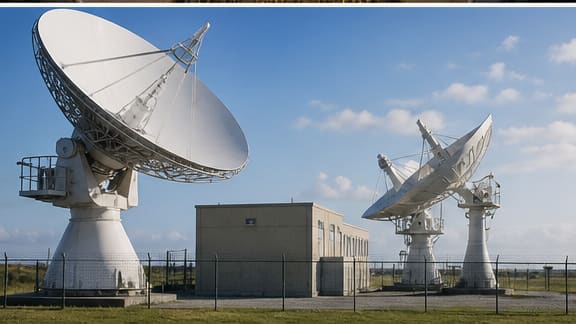
High-speed, timing, power and interface decisions coordinated with stack-up, component control, assembly and project-defined testing.
Current paths, copper, insulation, heat transfer, component spacing and mechanical integration reviewed before fabrication release.

Robust control, interface and power assemblies prepared for service access, repeat production, inspection and controlled maintenance records.

Project-specific material, cleanliness, thermal, reliability, documentation and release requirements separated from routine constructions before quotation.
Published capabilities are screening references. The approved quotation records the construction, tolerances, inspection, test coverage, schedule and release conditions for the actual files.

The route is confirmed around the approved files, open risks and required deliverables rather than a one-size-fits-all completion promise.
Confirm available inputs, confidentiality, quantities, program stage and missing information.
Review layout, DFM, stack-up, BOM, mechanical interfaces, inspection and test constraints.
Build against a controlled baseline, record open items and confirm the repeat-production route.
Release approved materials, processes, revisions, inspection coverage and acceptance conditions.
Connect project-defined testing, traceability and delivery evidence to the released configuration.
These are representative engineering routes, not published customer outcome claims. The actual construction and evidence package are confirmed after file review.
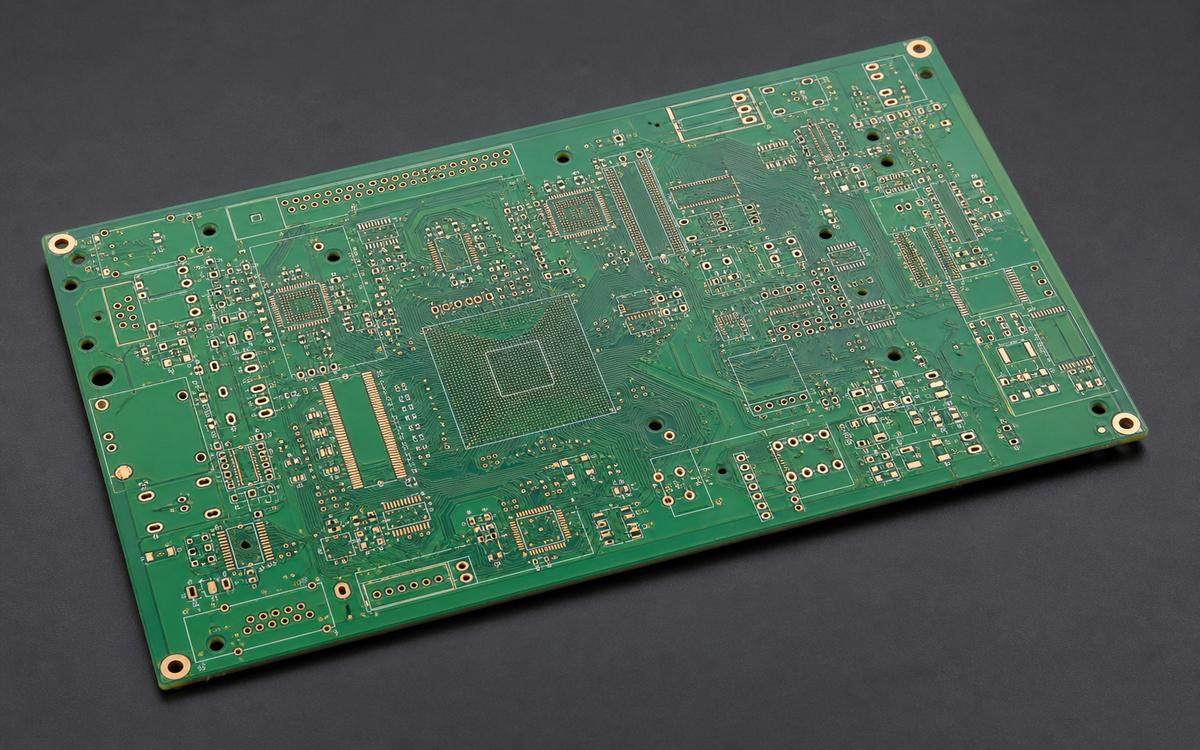
A coordinated route for control and interface electronics where stack-up, drill structure, thermal exposure and assembly profile affect repeatability.
Review a similar build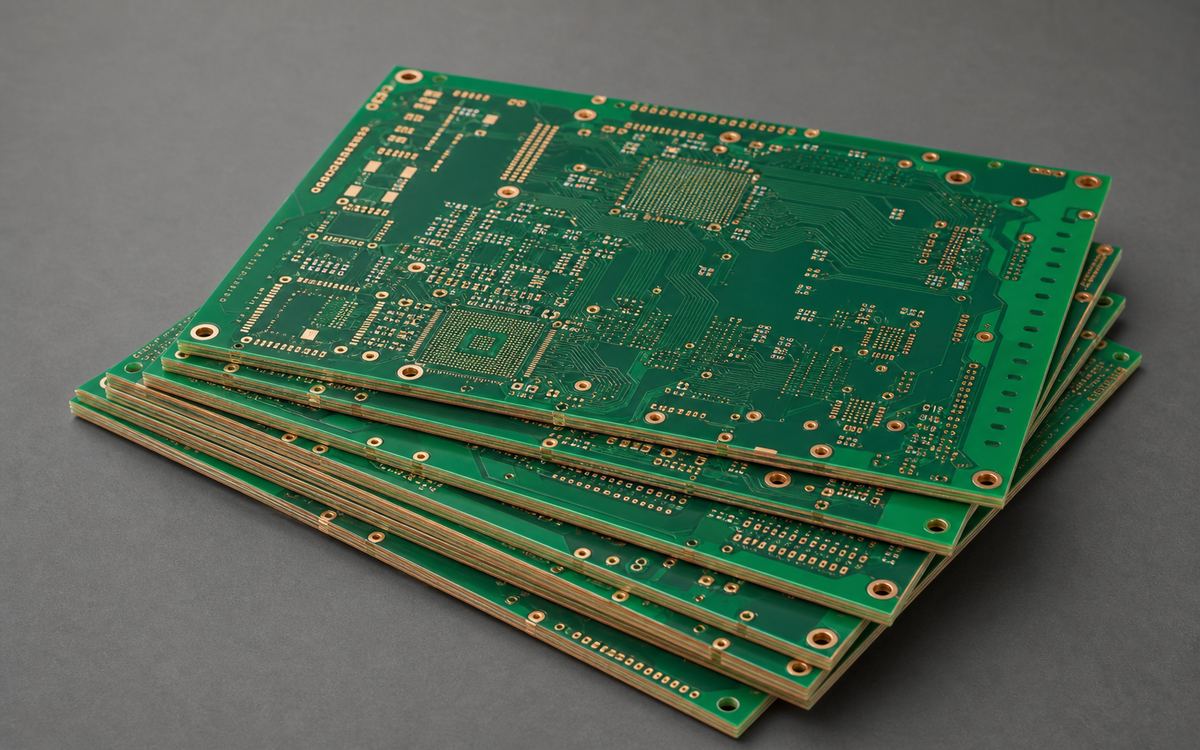
A stack-up-led route for high-speed and RF nets that connects dielectric data, copper geometry, reference planes and verification coupons.
Review a similar build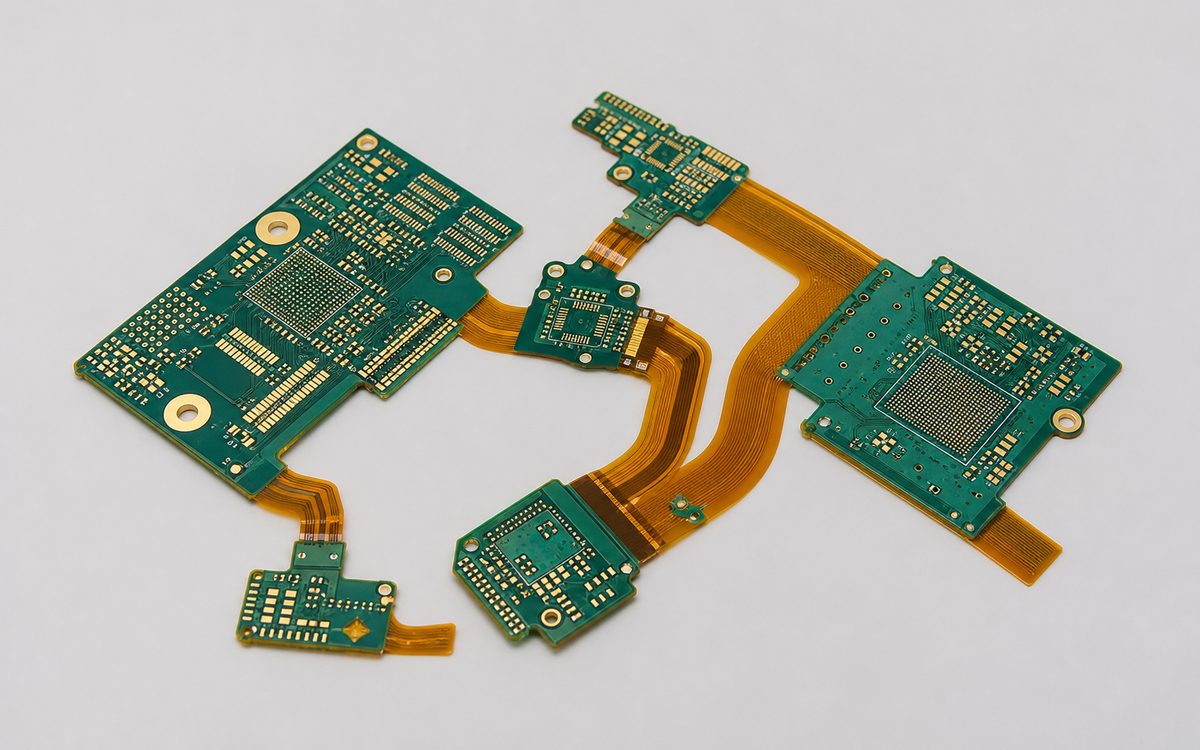
A mechanically coordinated route for compact electronics where bend zones, layer transitions, connector reduction and assembly access affect reliability.
Review a similar buildCertificate names are only the start. EBest PCBA organizes the available supplier, production, inspection and release records around the customer qualification checklist and confidentiality requirements.
Review Compliance EvidenceConfirm the applicable entity, site, certified scope, issuing body, current validity and project relevance.
Connect approved sources, received materials, lot information, declarations and customer authorization.
Link released revisions with manufacturing controls, inspection coverage and recorded dispositions.
Define the production configuration, test evidence, traceability period and delivery package before commitment.
You do not need every answer before contacting EBest PCBA. Send the available files and identify the open questions; engineering will confirm missing inputs before quotation.
Prepare material, documentation, inspection and release decisions before approving an aerospace PCB or PCBA production route.

See how our MES-related reco…
Read article →See how we control RF and im…
See how we review PCB constr…
See how our engineers review…
Review the certifications, e…
See how we convert an aerosp…
Send the available design files, sourcing constraints, quantities and acceptance requirements. EBest PCBA will identify project fit, missing inputs and the next quote-ready step.