For compact, high-density PCBAs using surface-mount, fine-pitch, QFN or BGA packages subject to engineering review.
Home / Services / SMT & THT Assembly
Supplier qualification and RFQ review
SMT & Through-Hole Assembly for Complex PCBAs
Need SMT, through-hole components, or both on the same board? Put PCB fabrication, sourcing, assembly, inspection and project-defined testing under one accountable EBest PCBA team.
SMTTHTMixed TechnologyTurnkey or Consigned
Files do not need to be complete. Start with what you have; missing quotation inputs and open assembly risks will be identified during review.
Choose the assembly route your product needs
SMT, THT or Both—One Team Owns the Handoffs
Your board should not become three separate supplier conversations. EBest PCBA reviews the actual package mix, soldering route and inspection access before the build is released.
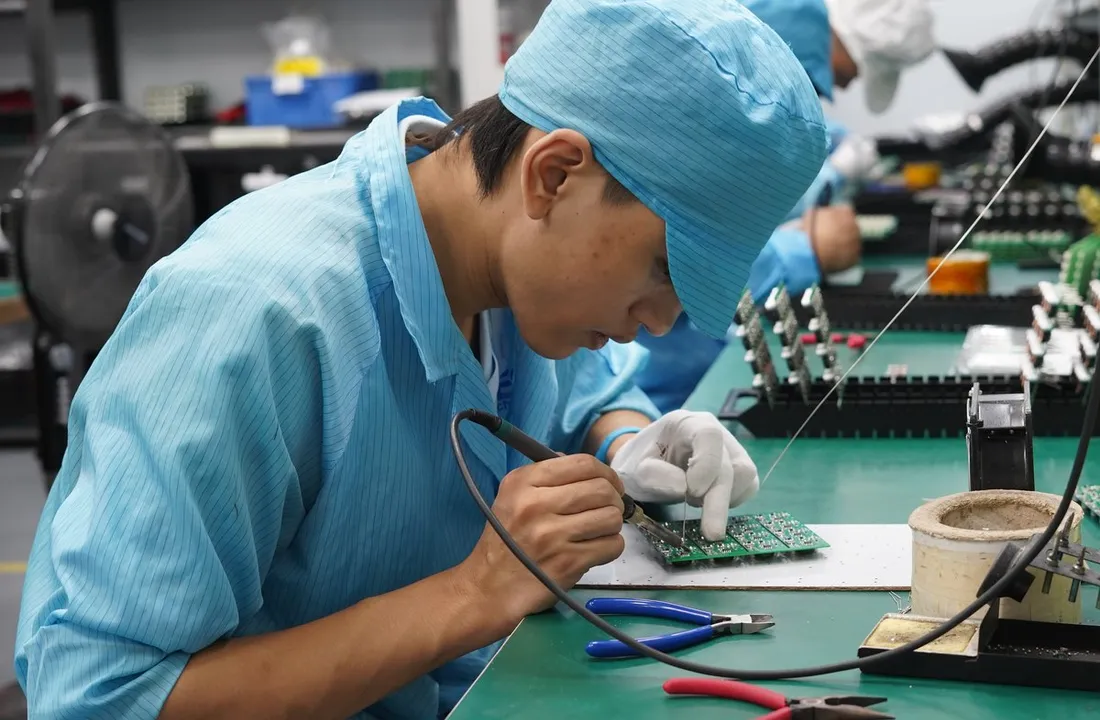
For connectors, relays, terminals, transformers and mechanically loaded components that require through-hole mounting.
For products combining dense SMT circuitry with power, connector or structural THT components on the same PCBA.
One RFQ Connects the Complete Build
PCB fabrication, approved component procurement, assembly, inspection and agreed testing.
Use customer-supplied components while EBest PCBA manages the agreed manufacturing process.
Keep strategic components under customer control and assign the remaining approved BOM lines to EBest PCBA.
Controlled first-build gate
Your First Build Should Make the Next Build Easier
You should not have to explain the same product from the beginning every time another low-volume order is required. The approved build keeps the next order connected to decisions your team has already reviewed.
01
No uncontrolled production revisionGerber or ODB++, BOM, centroid, drawings and test requirements are tied to one approved package.
02
No unapproved component substitutionsAvailability, lifecycle concerns and proposed alternates remain visible; customer-locked parts stay locked.
03
No remaining-batch release before first-article approvalPlacement, polarity, workmanship and defined inspection or test results are checked before expansion.
04
No repeat build without revision and change reviewApproved revisions, BOM decisions and test requirements are checked again before the next release.
Service scope
Assembly and Test Scope for Prototype and Low-Volume Builds
Confirm the manufacturing process quickly, then use only the services required for the current build. Package, process and test suitability remains subject to engineering review.
Clear handoff
You Send the Available Project Data. We Return the Open Decisions.
Send what is available
- Gerber or ODB++ and drill data
- BOM with manufacturer part numbers
- Pick-and-place or centroid data
- Assembly drawings and polarity notes
- Target quantity, delivery destination and timing
- Inspection, programming and functional-test requirements
EBest PCBA returns before release
- Missing, conflicting or unreleased file information
- PCB construction and panelization questions
- Component availability, lifecycle and alternates
- Assembly risks and first-article checkpoints
- Inspection and test route for project risk
- Scope, responsibilities and the confirmed build schedule
First article to repeat build
A Five-Step Path With Approval Before Expansion
The exact route changes with the project, but release responsibility stays visible at every stage.
01ReviewCheck files, BOM, quantity and test expectations.
02PrepareConfirm PCB, materials, programs and process route.
03First ArticleBuild and inspect the agreed first-unit or initial quantity.
04ApproveResolve findings and record customer-controlled decisions.
05RepeatRelease the remaining batch and preserve the approved baseline.
Evidence for the agreed build
Evidence Your Team Can Review Before the Next Build
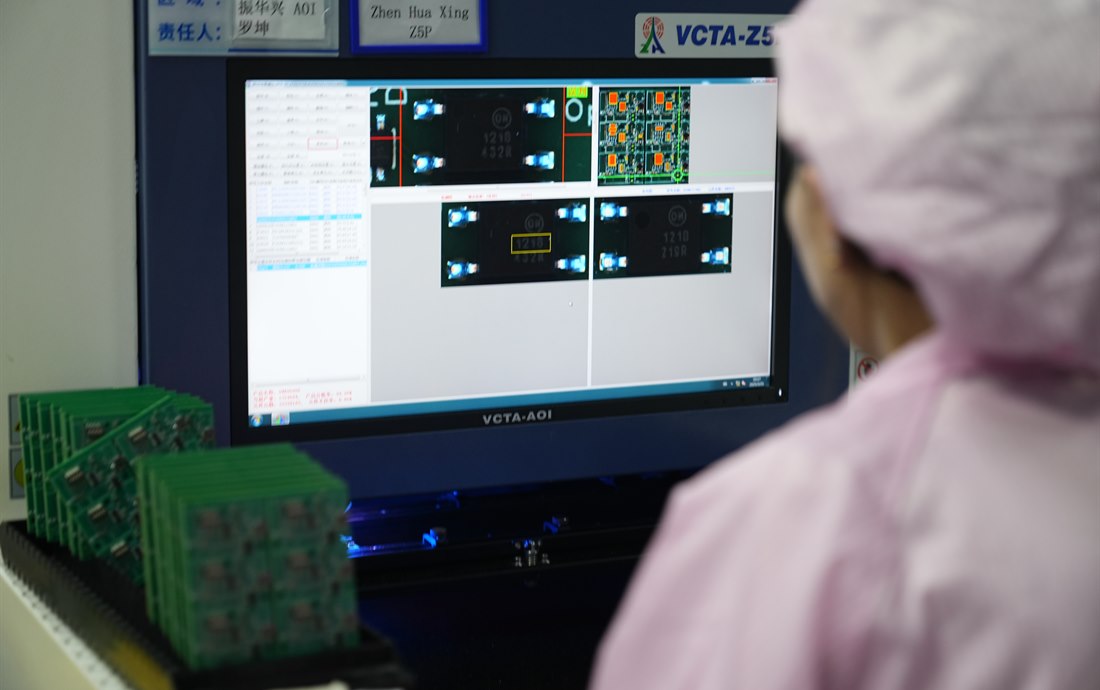
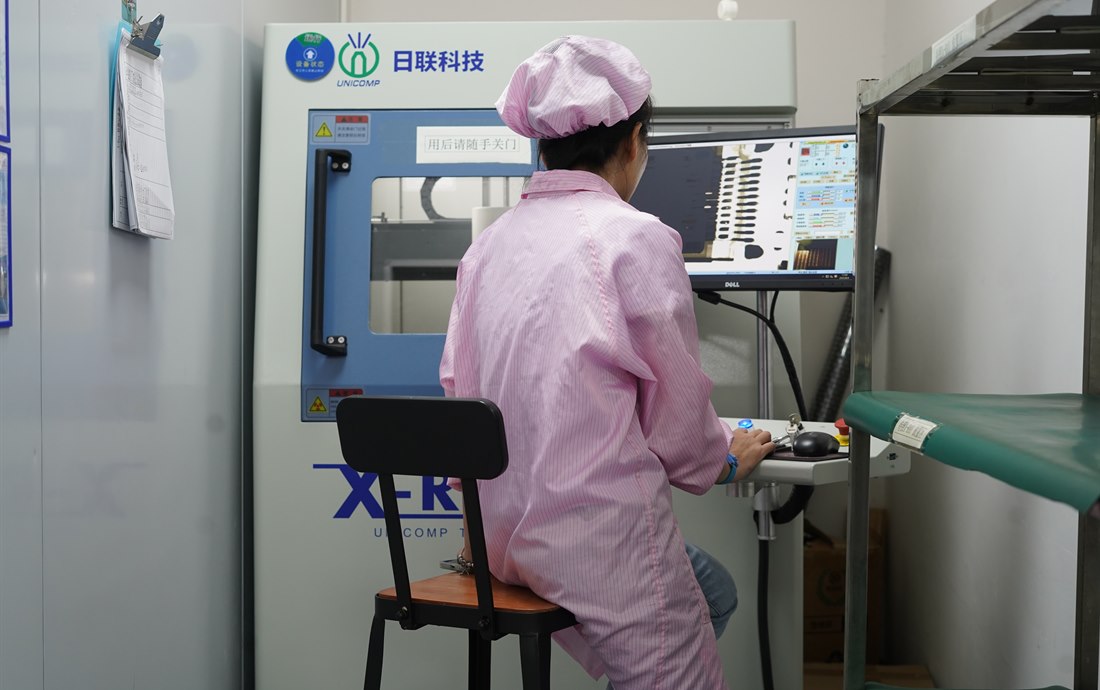
Equipment matters only when it produces useful project evidence. Available records follow the inspection and test plan agreed for the build.

The non-price advantage
The Approved First Build Becomes the Starting Point for the Next Order
The value is not only receiving a small quantity. Your team can see which revision, BOM decisions, first-article findings, inspection route and test requirements produced the accepted result before another order begins.
- Approved file revision
- Recorded BOM decisions
- First-article findings
- Defined inspection route
- Known test requirements
- Change review for the next run
Representative build scenarios
Typical Prototype and Low-Volume PCBA Routes
These are representative manufacturing scenarios, not disclosed customer case claims. The route for your product is confirmed from its files and acceptance requirements.
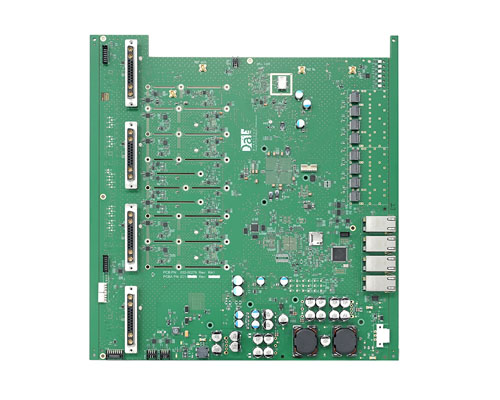
Representative scenario
Compact Diagnostic Controller
- Customer need
- A small initial build with controlled parts and reviewable inspection information.
- Manufacturing risk
- Dense placement, polarity-sensitive parts and a locked BOM.
- EBest route
- BOM review, first-article approval and defined inspection.
- Customer outcome
- A reviewable package ready for the next approved batch.
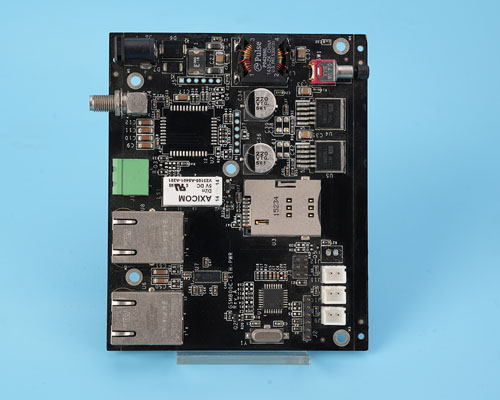
Representative scenario
Industrial Control Board
- Customer need
- Repeatable low-volume supply for a long-lifecycle controller.
- Manufacturing risk
- Mixed SMT/THT assembly and long-lifecycle components.
- EBest route
- BOM lifecycle review and functional-test confirmation.
- Customer outcome
- A defined test result and repeat-build baseline.
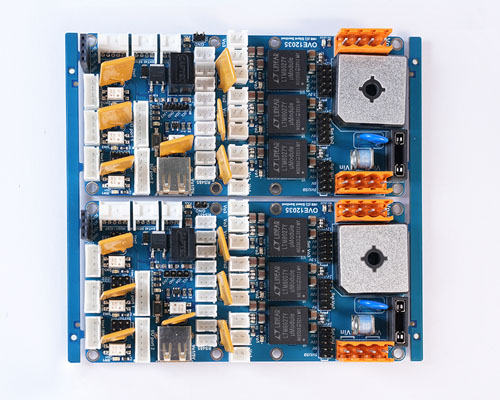
Representative scenario
High-Density Flight Electronics
- Customer need
- A compact first build ready for engineering evaluation.
- Manufacturing risk
- Fine-pitch placement and hidden solder joints.
- EBest route
- Placement review and risk-based X-ray where applicable.
- Customer outcome
- First-article and agreed inspection findings for the next decision.
Start with the files you have
Send the Project You Are Working On—Not the Perfect File Package
You do not need a perfect production package to begin. Send the available Gerber, BOM, drawings or project information. EBest PCBA will identify missing data, manufacturing risks and the decisions required before quotation and first-build release.
Frequently asked questions
Prototype & Low-Volume PCBA Questions
Can EBest PCBA build one prototype before a larger low-volume batch?
Yes. The build route can include a first article or controlled initial quantity before the remaining approved batch is released. The exact split is confirmed from material packaging, setup requirements and the agreed inspection plan.
Is there a fixed minimum order quantity for prototype PCBA?
No. No fixed minimum order quantity is published. The practical build quantity depends on PCB panelization, component packaging, stencil and setup requirements, test scope and material availability.
Can I start with incomplete Gerber or BOM files?
Yes. Send the Gerber, BOM, drawings or project information currently available. EBest PCBA will identify missing information and open manufacturing questions, while production remains tied to a complete and approved release package.
Which assembly types and component packages are supported?
EBest PCBA supports SMT, THT and mixed-technology assembly, including single- and double-sided builds. Fine-pitch, QFN, BGA, programming, coating and test requirements are confirmed through engineering review.
Will components be substituted without approval?
No. Proposed alternates are presented for customer review, and customer-locked part numbers remain locked. A substitute is not released to the build without the agreed approval route.
How is the first article controlled before the remaining batch?
The approved file revision, BOM, placement program, polarity, workmanship and defined inspection or test results are checked at the first-article gate. Open findings are resolved before the remaining quantity is released.
Which inspection and testing methods are available?
Available routes include first-article inspection, SPI, AOI, X-ray for hidden joints, visual and electrical inspection, and project-defined ICT or functional testing. The exact route follows package and product risk.
How quickly can a prototype PCBA be completed?
The schedule is confirmed after the files, PCB construction, component availability, assembly complexity and test requirements are reviewed. Material readiness and unresolved engineering questions usually determine the critical path.
Can the approved prototype data be reused for repeat low-volume builds?
Yes. Approved revisions, BOM decisions, process settings and available inspection records can form the controlled baseline for repeat builds, with each new revision reviewed for changes before release.
Can I request an NDA before sending prototype files?
Yes. Request an NDA before sending confidential Gerber, BOM, drawings or test information. A high-level project summary can be used to begin the discussion.