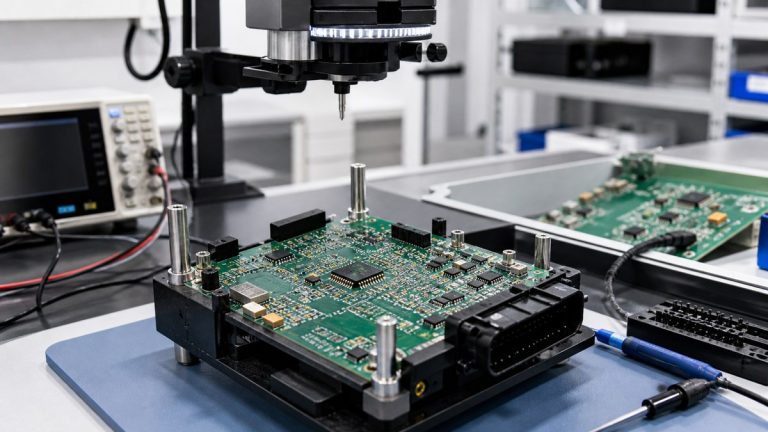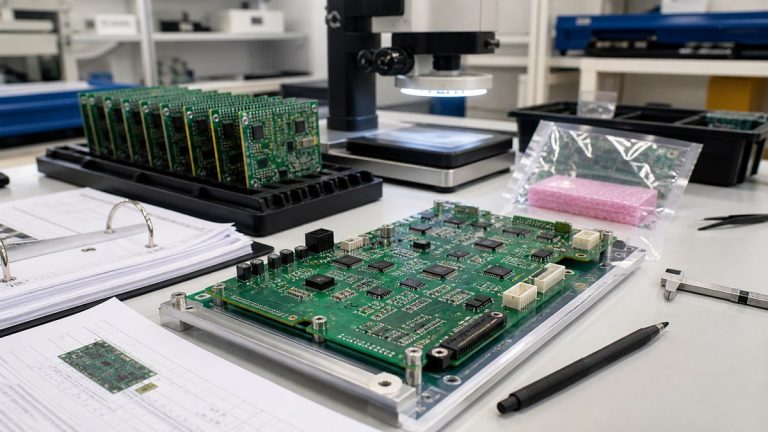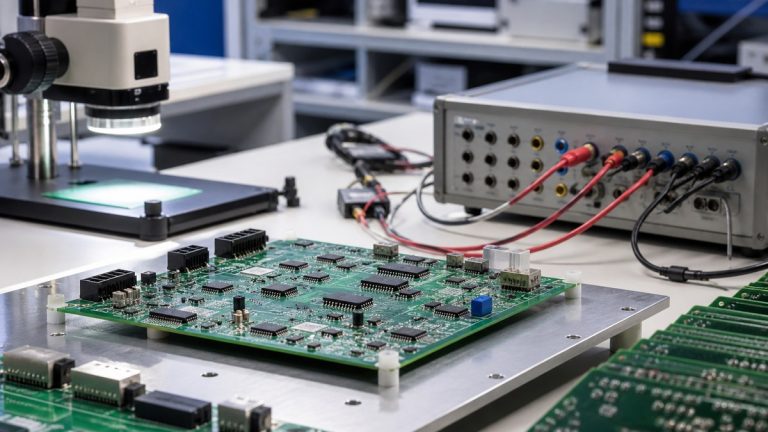
We help automotive customers protect long-life PCBAs from component obsolescence, allocation, source changes and unauthorized substitutions. Our sourcing and engineering teams keep the released BOM as the purchasing boundary, identify supply risks and return proposed changes through the required customer approval process.
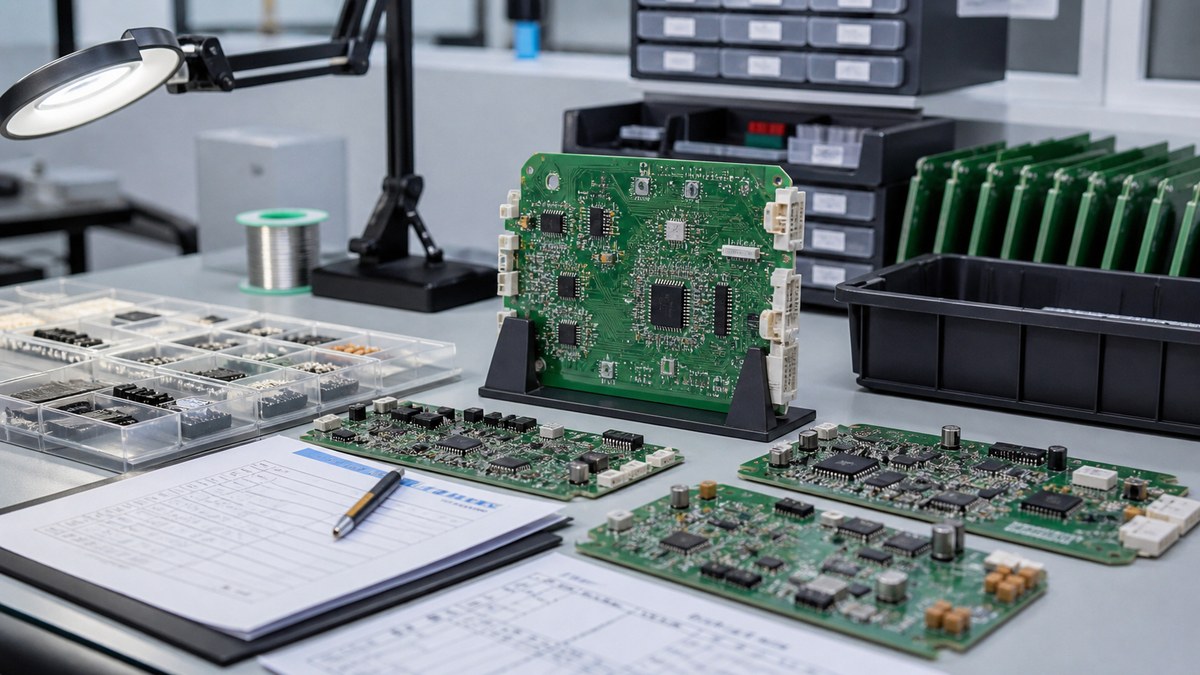
You receive a clearer view of which parts can stop production, which alternatives require engineering review and which records preserve the approved configuration. We do not solve a shortage by silently installing a similar part.
Our Lifecycle and Change-Control Workflow
| Risk | Our control | Customer output |
|---|---|---|
| Incomplete BOM identity | Check full manufacturer part numbers and approved manufacturers | Clarification list and released BOM |
| End-of-life or allocation | Identify availability and lifecycle risk before procurement | Risk notice and available options |
| Alternative component | Compare identity, fit, ratings, function and process effect | Substitution proposal for approval |
| Approved change | Update controlled BOM, process and test basis | New released configuration |
| Repeat order | Recheck current availability and approved baseline | Current-state review before purchasing |
We Turn the BOM Into an Authorized Purchasing Baseline
Our BOM review checks manufacturer, complete part number, description, package, quantity, approved manufacturer list, source restrictions and substitution status. Ambiguous entries return to your team before purchasing.
The approved BOM is connected to the customer part and revision. This prevents informal spreadsheet edits or distributor descriptions from becoming production authority.
We Identify Parts That Can Stop the Program
We focus attention on single-source parts, long lead-time devices, obsolete or end-of-life components, programmed devices, safety-related parts and items with difficult qualification requirements. A low-cost component can create a high program risk if it has no approved replacement.
Early visibility preserves choices: lifetime buy, redesign, second-source qualification or schedule adjustment. Waiting until stock is exhausted turns an engineering decision into an emergency.
We Separate Prototype Availability From Production Viability
A broker or short-term source may provide enough parts for prototypes without supporting controlled repeat production. We review source authorization, requested documentation, lot or date-code needs and customer restrictions before using that availability in the production plan.
This helps your team avoid qualifying a prototype around a supply condition that cannot be repeated.
Alternative Proposals Explain the Real Difference
When an alternative is needed, we compare manufacturer identity, electrical ratings, package and footprint, pinout, temperature grade, lifecycle, compliance and relevant manufacturing differences. The required engineering depth depends on the part and its function.
We present the proposed alternative and available evidence for customer decision. Approval, testing or revalidation requirements remain visible before the BOM is changed.
No Change Enters Production Without Authorization
Temporary and permanent substitutions follow the approval route defined for the program. After approval, we update the controlled BOM and any affected assembly, inspection, programming or test information.
Rejected or expired alternatives remain outside the production baseline. This protects repeat orders from purchasing pressure and undocumented part changes.
We Review the Manufacturing Effect of a New Part
Two components can be electrically similar while creating different manufacturing risks. We review package dimensions, terminal finish, moisture sensitivity, storage, placement, soldering profile, inspection visibility and programming or test changes.
Where required, a first article, X-ray, electrical check or functional validation becomes part of the approval evidence. The change is complete only when both product and process effects have been addressed.
Incoming and Production Records Preserve Identity
Where required, available manufacturer, source, lot, date-code, UID or customer-supplied material records can be connected to the work order. The required traceability depth is defined before procurement.
This supports later review when a manufacturer notice, lot concern or field issue affects a specific part population.
We Recheck Lifecycle Risk Before Repeat Orders
Before purchasing for a repeat build, we compare the requested revision with the approved BOM and review relevant current availability or change information. A BOM approved years earlier is not assumed to have the same supply conditions today.
Your team receives the questions that require a sourcing, engineering or schedule decision before material commitment.
Why Customers Use Our Lifecycle Control
We protect configuration while giving customers early visibility into supply risk. The goal is not to reject every change; it is to make each change deliberate, technically reviewed and traceable to approval.
This helps automotive programs maintain repeat production without trading away part identity, manufacturing stability or customer control.
Send Your BOM Before Supply Risk Becomes Urgent
Send the BOM with full manufacturer part numbers, approved manufacturers, source restrictions, lifecycle requirements, forecast, quantities, traceability needs and substitution-approval process to sales@ebestpcba.com.
We will return missing identities, current risks, proposed review priorities and the evidence needed for any alternative decision.