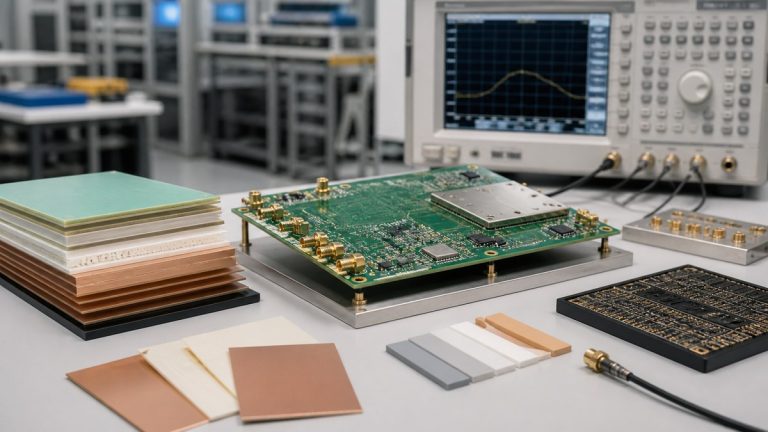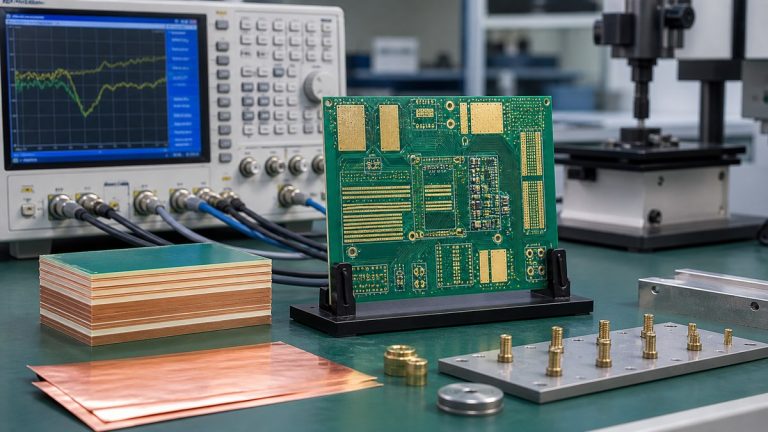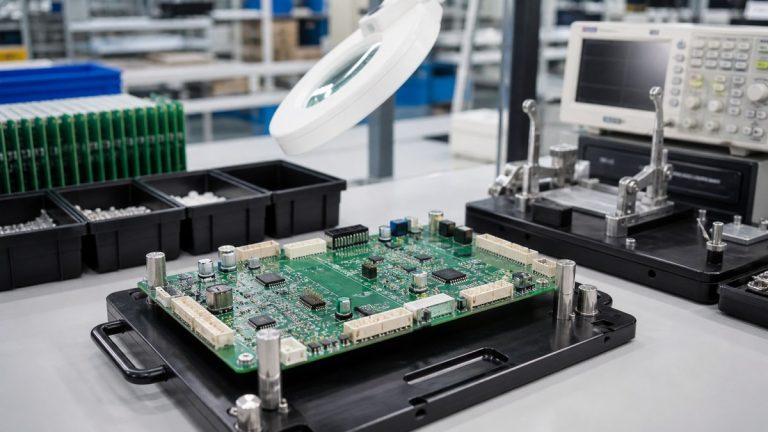
We take your RFQ package through engineering review, sourcing, PCB fabrication, assembly, inspection, testing and shipment release. Each stage uses the approved customer part and revision and creates decisions or records that keep the delivered product connected to your original requirements.
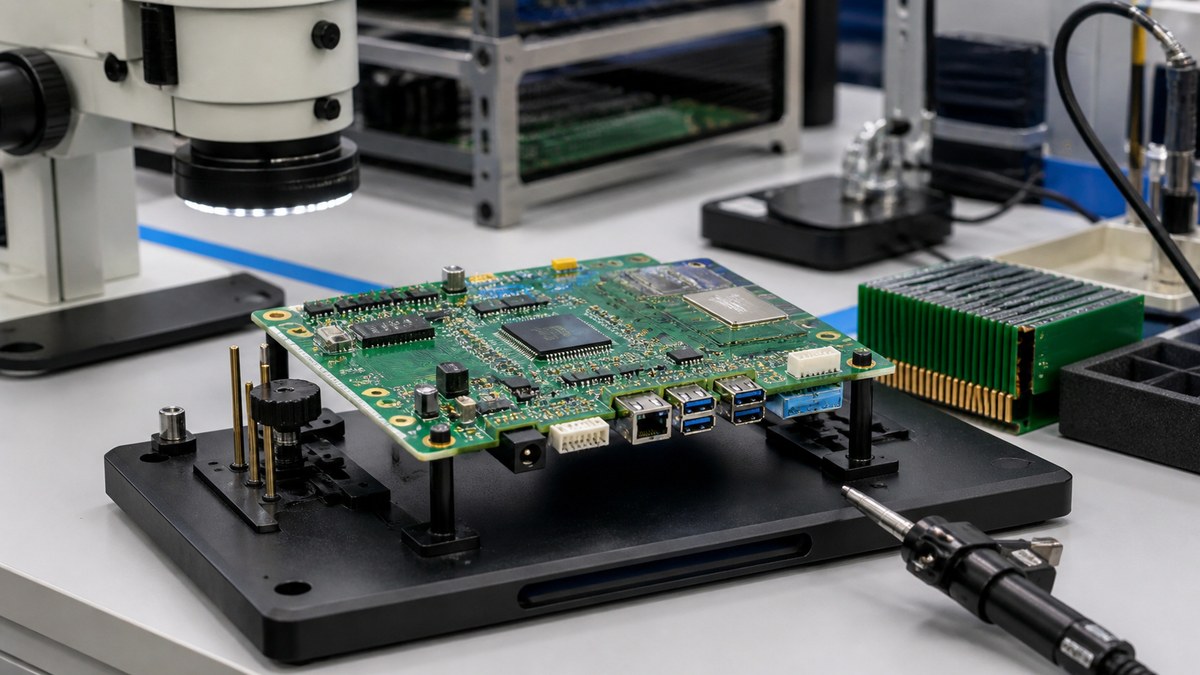
A reliable quotation starts with the real product data and evidence you expect. Send complete files early, and we can identify assumptions before they become tooling, material or schedule changes.
RFQ-to-Release Workflow
| Stage | What we do | What you receive |
|---|---|---|
| RFQ review | Check files, quantity, sourcing, quality and test scope | Questions and quotation basis |
| Engineering release | Resolve DFM and freeze one configuration | Approved responses |
| Sourcing | Control manufacturer parts, sources and substitutions | BOM risk and approvals |
| PCB fabrication | Build the released stack-up, drill, copper and finish | Applicable fabrication evidence |
| Assembly | Use controlled tooling, placement and soldering | Inspection and production records |
| Test and release | Execute defined tests and close dispositions | Agreed test and shipment documents |
The RFQ Defines Product and Responsibility
Tell us whether you need bare PCB, consigned assembly, partial sourcing or turnkey PCBA. Include prototype and production quantities, delivery requirement, workmanship, inspection, test, traceability and documentation expectations.
We separate confirmed scope from assumptions and return missing inputs before the quotation is finalized.
Our Engineers Reconcile the Manufacturing Package
We compare Gerber or ODB++, drill data, stack-up, fabrication drawing, BOM, CPL, assembly drawing and mechanical information. Programming and test files must match the same revision.
File conflicts become engineering questions. Approved answers remain part of the released package and work order.
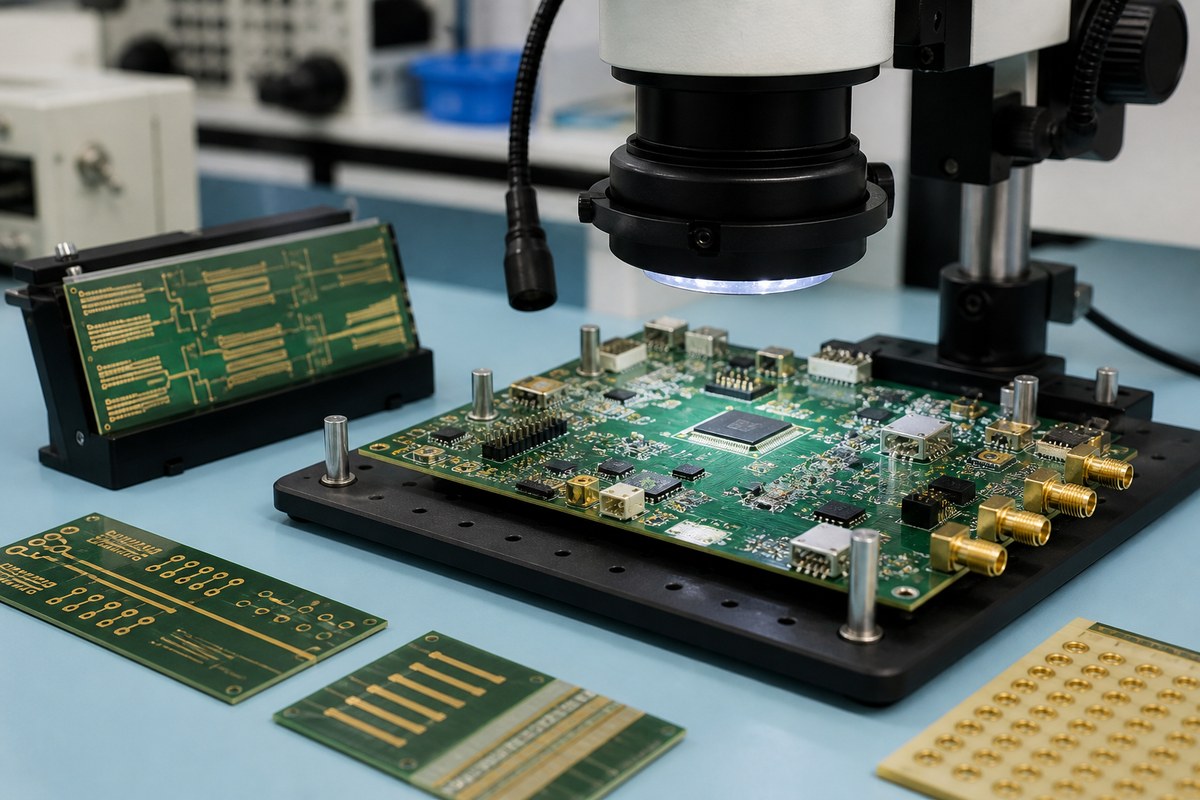
BOM Review Protects Purchasing Authorization
We check manufacturer part numbers, approved manufacturers, package, quantity, availability, lifecycle and substitution rules. Proposed alternatives are returned for the required approval.
Customer-supplied materials receive agreed identity, quantity, condition, excess, ownership and traceability controls.
PCB Fabrication Follows the Approved Construction
We release material, stack-up, copper, drill, plating, impedance, surface finish, solder mask, routing and electrical-test requirements. Special structures such as heavy copper, rigid-flex, backdrill or controlled depth receive dedicated controls.
Applicable material, dimensional, impedance, electrical or structural evidence is defined before production.
Assembly Uses Controlled Data and Tooling
We prepare panel, stencil, placement programs, fixtures and soldering route from the approved board and assembly package. First-article verification checks setup, part identity, position and polarity.
SMT, through-hole, mixed assembly, cleaning and coating requirements enter separate controlled operations as applicable.
Inspection Methods Follow Product Risk
SPI covers applicable paste conditions, AOI covers visible assembly, and X-ray supports selected hidden joints. Dimensional or structural inspection addresses fabrication features.
The plan defines coverage, acceptance, sampling, reaction and output. Equipment names do not replace product-linked results.
Testing Uses the Customer-Approved Basis
Bare-board electrical test, ICT, flying probe, programming and FCT answer different questions. We review access, fixtures, firmware, procedures, limits, golden samples and reports before confirming the route.
Results identify the product, method or program revision and disposition.
Nonconformance and Changes Stay Visible
Affected product is contained and connected to disposition, approved correction or rework, verification and release. Material, component, process or test changes follow the agreed customer-review path.
This protects both the current lot and repeat orders from undocumented decisions.
Shipment Includes the Agreed Evidence
Before release, we check that required operations and quality dispositions are closed. The shipment package can include CoC and agreed fabrication, inspection, test or traceability documents.
Your team knows which records arrive with the product and which remain available for retrieval.
Send a Complete RFQ Package
Send product files, stack-up, fabrication drawing, BOM, CPL, assembly and mechanical drawings, quantity, sourcing model, workmanship, special processes, inspection, programming, test, traceability and report requirements to sales@ebestpcba.com.
We will return the quotation basis, engineering questions, proposed route and evidence package.
What to Include in Your RFQ Package
Send the Gerber or ODB++ files, fabrication drawing, BOM, approved manufacturer list, placement data, assembly drawing, quantity, delivery requirement and test specification. Add any special material, traceability, packaging or report needs. We will identify assumptions in the quotation so you can compare scope and evidence, not only the unit price.