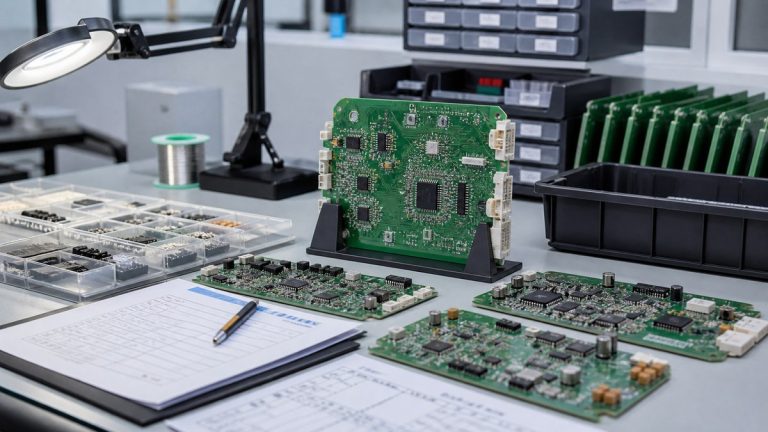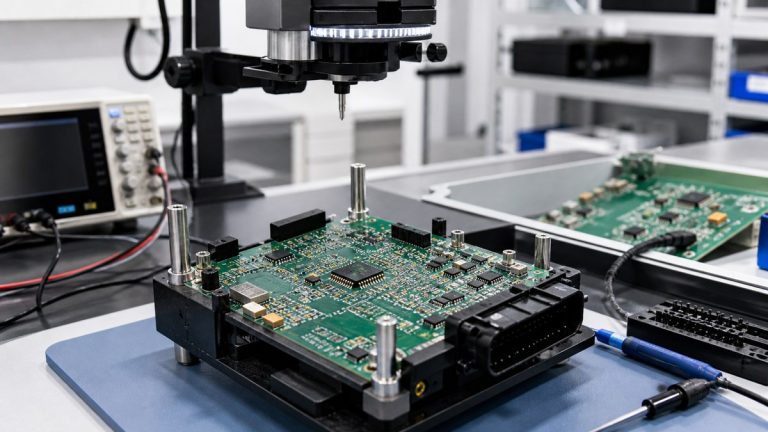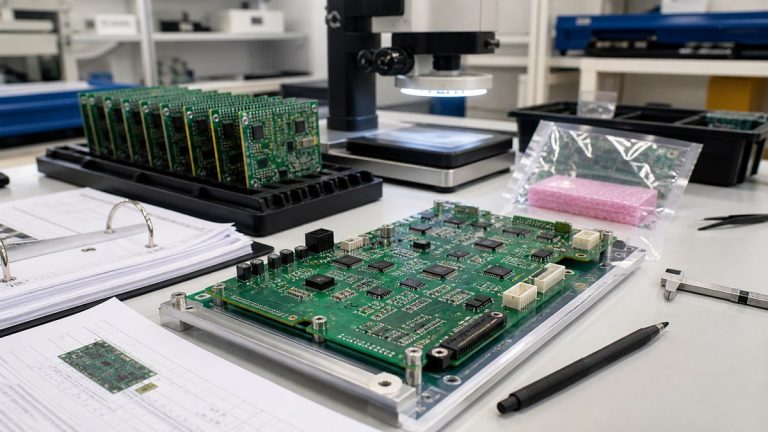
We hold IATF 16949 and ISO 9001 quality management system certifications. We use that quality foundation to move automotive PCB and PCBA prototypes into controlled repeat production with one approved configuration, authorized materials, a defined process route, risk-based inspection, product testing and retrievable records.
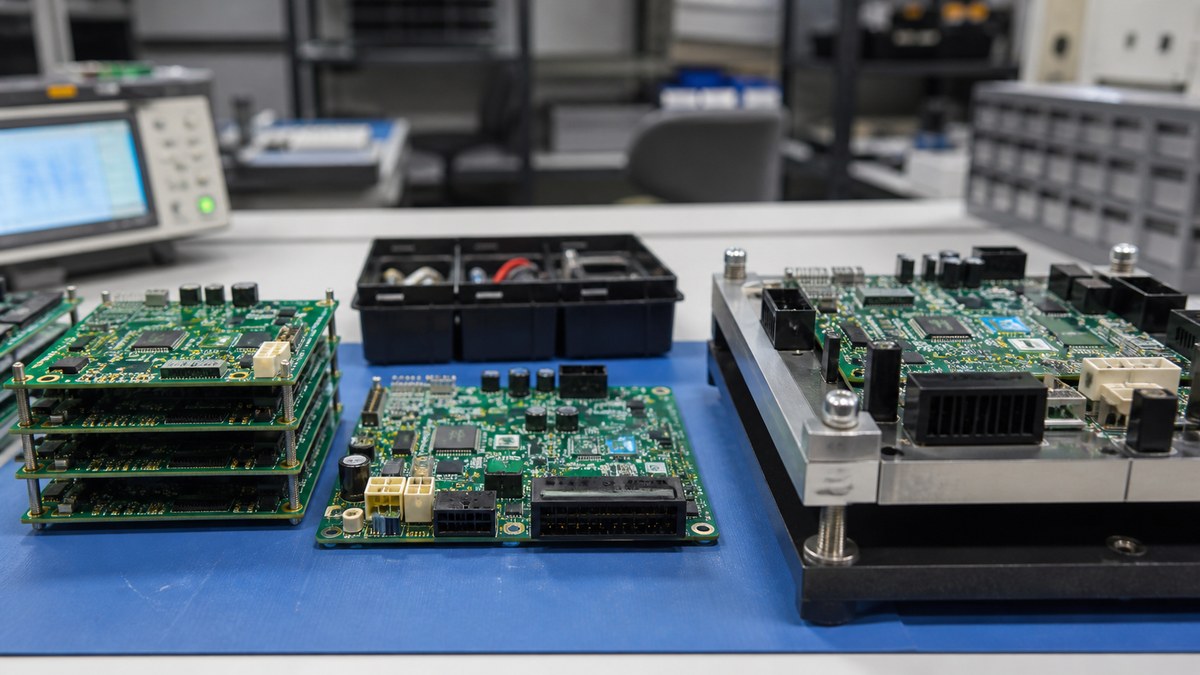
You receive a production-readiness review that separates temporary prototype decisions from repeatable manufacturing controls. Before release, our engineers close file conflicts, BOM risks, process exceptions and evidence requirements so the next order does not depend on undocumented hand adjustments.
What We Establish Before Production Release
| Decision | Our action | Customer evidence |
|---|---|---|
| Product baseline | Link approved PCB, BOM, assembly and test data to one revision | Released-file and engineering-closure record |
| Production materials | Confirm manufacturer parts, approved sources and substitution rules | BOM and available material identity records |
| Repeatable process | Convert prototype lessons into route, tooling and work instructions | Controlled process and first-article evidence |
| Quality coverage | Assign inspection and test to product risks | Applicable SPI, AOI, X-ray and test results |
| Traceability | Define lot, work-order and serial links required by the project | Agreed production and shipment records |
We Release One Complete Data Package
Our engineers reconcile Gerber or ODB++, drill files, stack-up, fabrication drawing, BOM, CPL, assembly drawing, programming files and test requirements. If the prototype used mixed revisions, we return the differences for approval before production.
The released package is linked to the customer part number, revision and work order. Changes follow the agreed review path, protecting repeat orders from an old attachment or informal prototype instruction.
Prototype Findings Become Manufacturing Controls
We review hand soldering, rework, temporary fixtures, stencil changes, component substitutions, manual test steps and other prototype exceptions. Each relevant finding becomes a design correction, approved instruction, process checkpoint, fixture requirement or documented acceptance decision.
This prevents a prototype workaround from silently becoming the normal process. Your team can see which learning was closed and which production control now addresses it.
Our BOM Review Protects Supply and Configuration
We check manufacturer part numbers, approved manufacturers, lifecycle, availability, source restrictions and alternative-part rules before procurement. A part that was available for ten prototypes may create unacceptable risk for repeat production.
Any proposed substitution follows the required customer authorization. Where lot, date-code, UID or source traceability is required, we define it before the production order is released.
The Pilot Build Uses the Intended Production Route
We prepare the pilot build with the planned tooling, material controls, process sequence, inspection and test route. First-article results confirm setup and reveal production issues before volume increases.
Deviations remain visible. If a pilot result requires a file, tooling or process change, the approved change enters a new controlled baseline rather than remaining as an operator memory.
Inspection and Testing Follow the Failure Risk
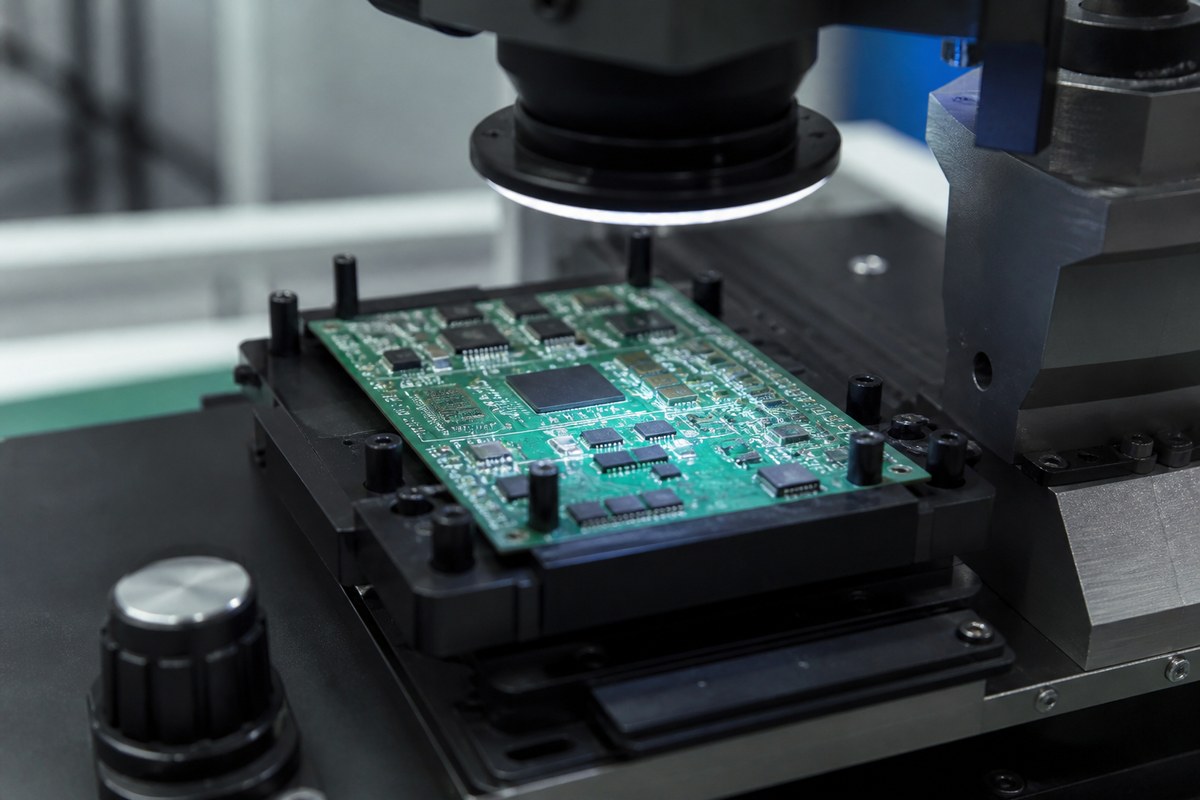
We use SPI for applicable solder-paste control, AOI for visible placement and solder conditions, and X-ray for selected hidden joints. ICT, flying probe, programming and FCT are planned according to access, function and customer requirements.
The evidence identifies the product, method or program revision, result and disposition. Your team receives the records agreed for the project instead of a generic equipment list.
Our Records Support Repeat Orders and Change Review
MES-related records can connect the released work order, identified material, production steps and available quality information. Project-specific lot, UID, date-code and serial-number links are defined before production.
Before a repeat order, we compare the requested build with the approved baseline and review relevant material, component or process changes. This supports controlled continuity rather than assuming the original prototype remains unchanged.
Why Automotive Customers Use Our Production-Readiness Process
We connect IATF 16949 quality-system controls to the actual product. Your engineering and quality teams can review what revision was released, which parts were authorized, how the build was inspected and tested, and what evidence remains retrievable.
This reduces the risk of prototype exceptions, sourcing pressure or file changes entering repeat production without a documented decision.
Send Your Automotive PCBA for Production Review
Send the latest Gerber or ODB++ files, stack-up, BOM, CPL, assembly drawing, prototype issue list, quantities, customer-specific requirements, inspection plan, test specification, traceability depth and PPAP expectations to sales@ebestpcba.com.
We will return the open production decisions, proposed control route, evidence available and approvals needed before repeat manufacturing.