

01 / POWER LAYOUT
Power-Electronics PCB Layout & DFM
Review current paths, switching loops, copper distribution, isolation, creepage, clearance, heat flow and test access before release.
Review power PCB layout →EBest PCBA supports new energy PCB and PCBA projects with DFM review, fabrication, component sourcing, assembly, inspection, and testing for energy storage, BMS, power inverters, EV charging, and power electronics.
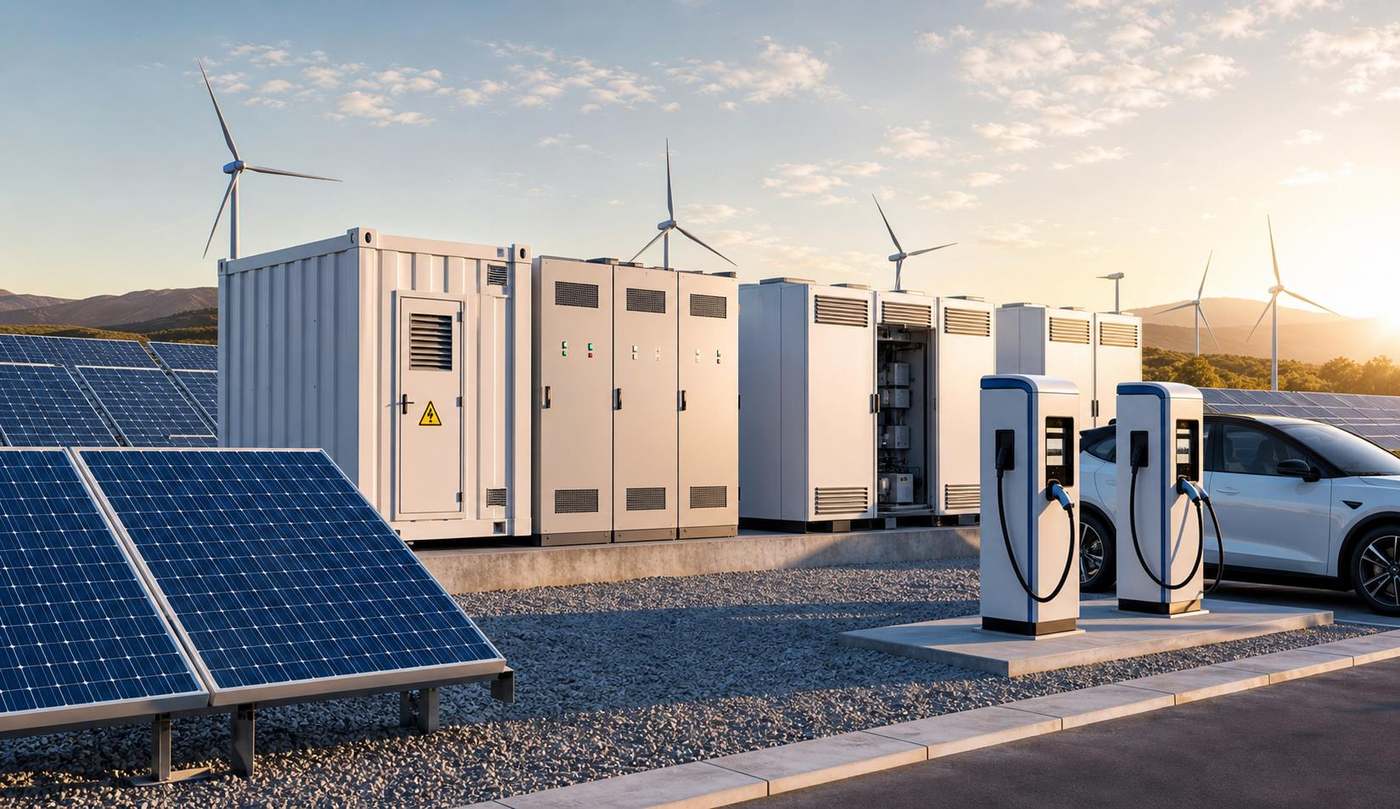 New Energy Electronics Application
Keep power PCB layout, BMS and inverter PCB prototyping, heavy-copper fabrication, thermal construction, sourcing, assembly and verification decisions connected through one release path.
Review current paths, switching loops, copper distribution, isolation, creepage, clearance, heat flow and test access before release.
Review power PCB layout →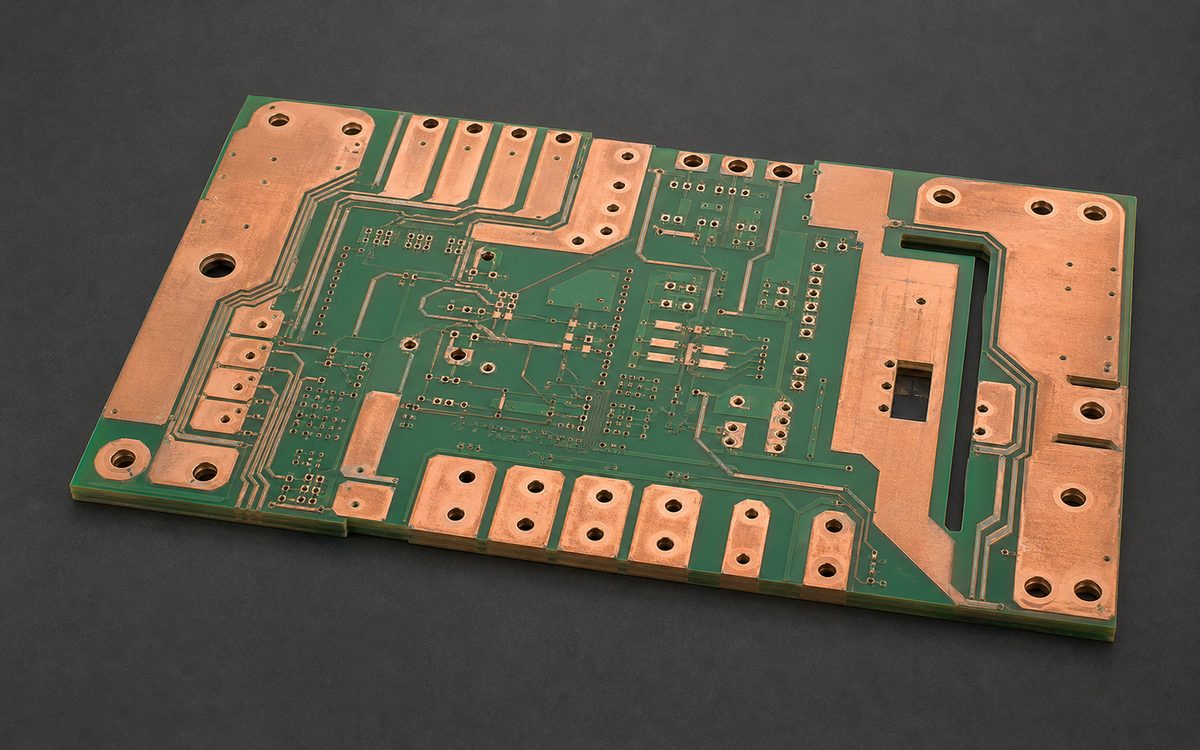
Confirm material, copper weight, stack-up, thermal interfaces, insulation limits and assembly fit before BMS or inverter repeat builds.
Review power PCB prototyping →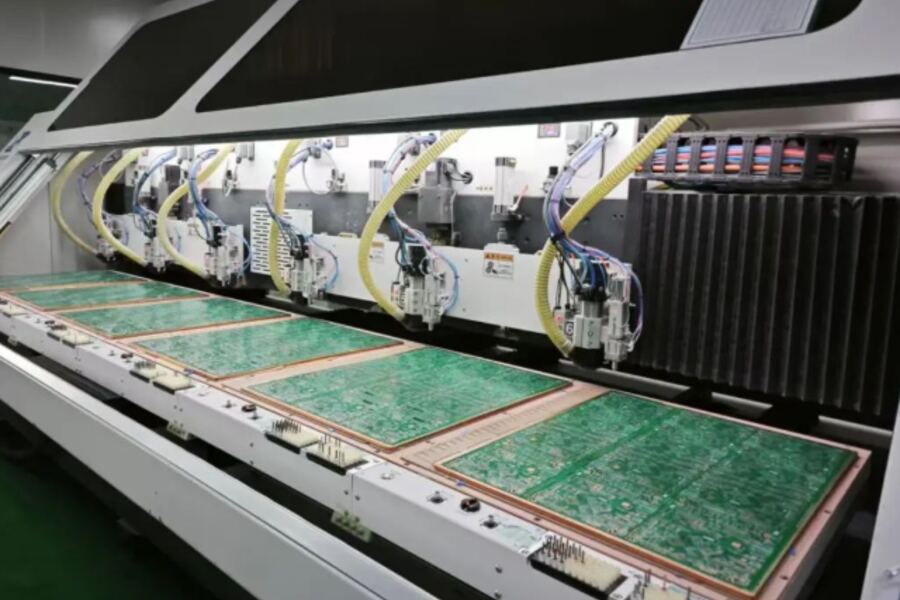
Release one approved production package covering laminate or metal-core construction, copper, drill data, surface finish, panel drawing, inspection and traceability requirements.
Review new energy PCB production →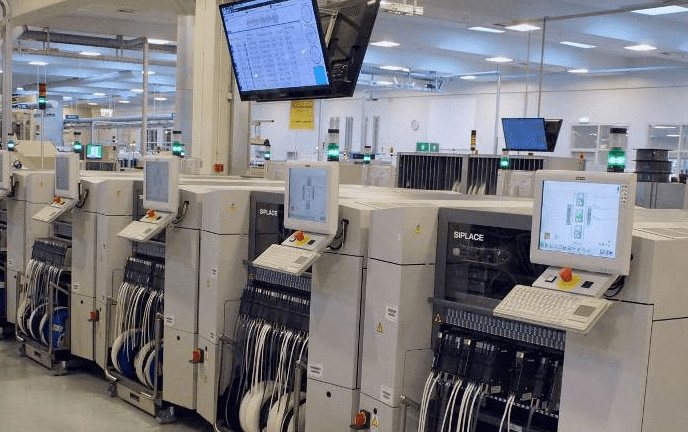
Connect approved power components, soldering controls, inspection, programming and project-defined electrical or functional testing to the released PCB.
Review new energy PCBA →High-power PCB projects should be reviewed as a complete electrical, thermal, and manufacturing system. Before fabrication, confirm current capacity, insulation spacing, thermal requirements, component status, and inspection criteria against the released project data.
Review copper weight, trace width, current paths, and high-current connection requirements.
Check spacing, insulation materials, voltage levels, and safety requirements.
Review copper areas, thermal vias, material choices, and heat dissipation around power components.
Check lifecycle status, availability, and approved replacement options before purchasing.
Confirm the required inspection, test methods, and traceability records before production
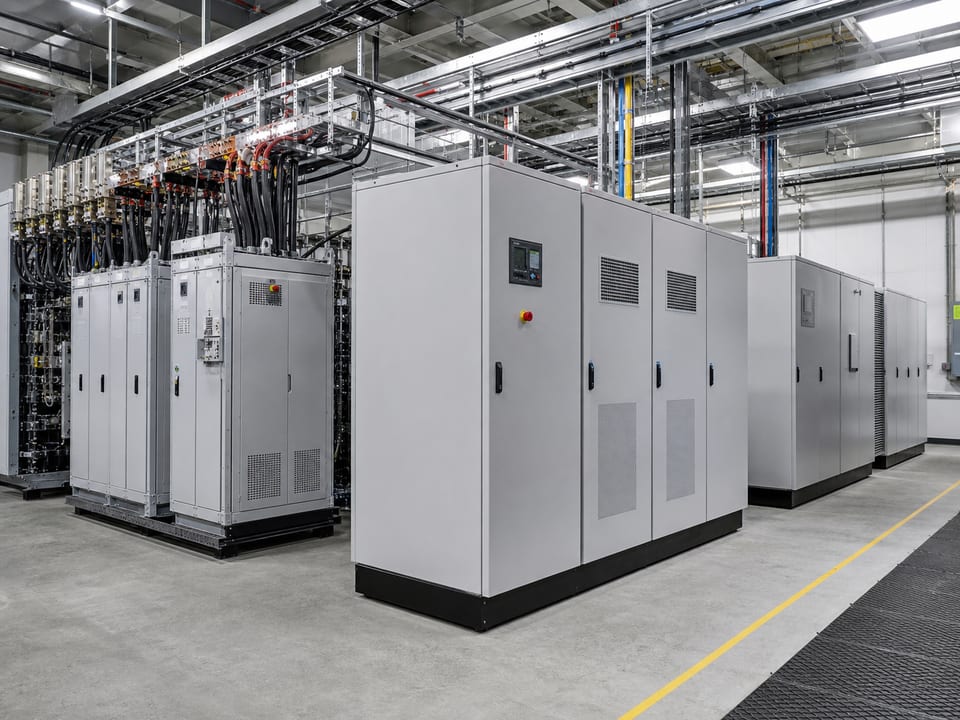
These real-world application scenes identify common project contexts; they are not customer-project claims. Final construction and test coverage follow the released files and operating requirements.
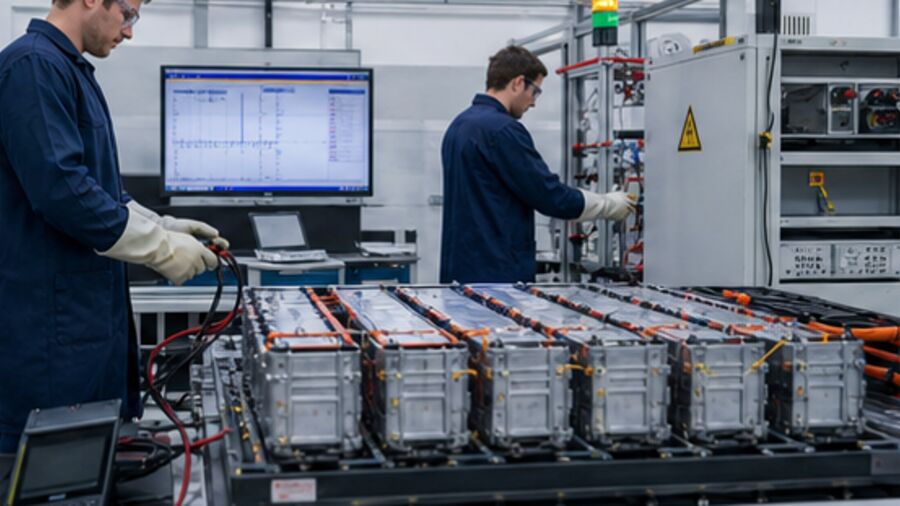
Cell monitoring, balancing, isolation, high-current connection, communications and traceable component control must be reviewed together.
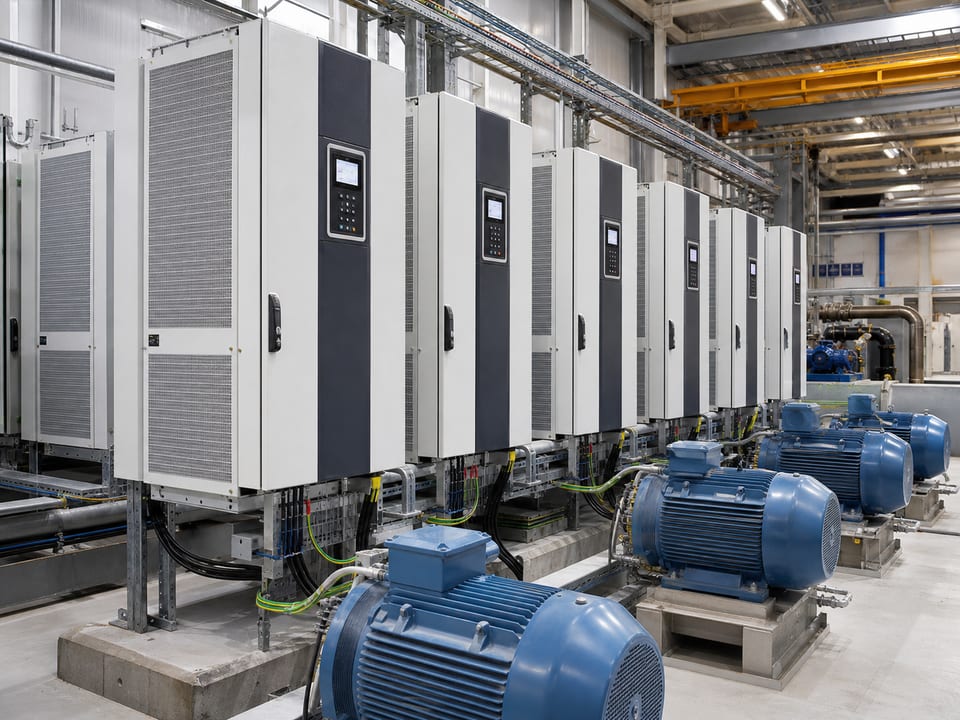
Switching loops, gate drive, sensing, isolation, copper, thermal transfer and EMC-sensitive layout shape the build route.

Power conversion, metering, communications, protection, thermal loading and environmental exposure require coordinated review.

High-current paths, isolation, sensing, gate-drive control, connectors and functional acceptance must match the operating envelope.
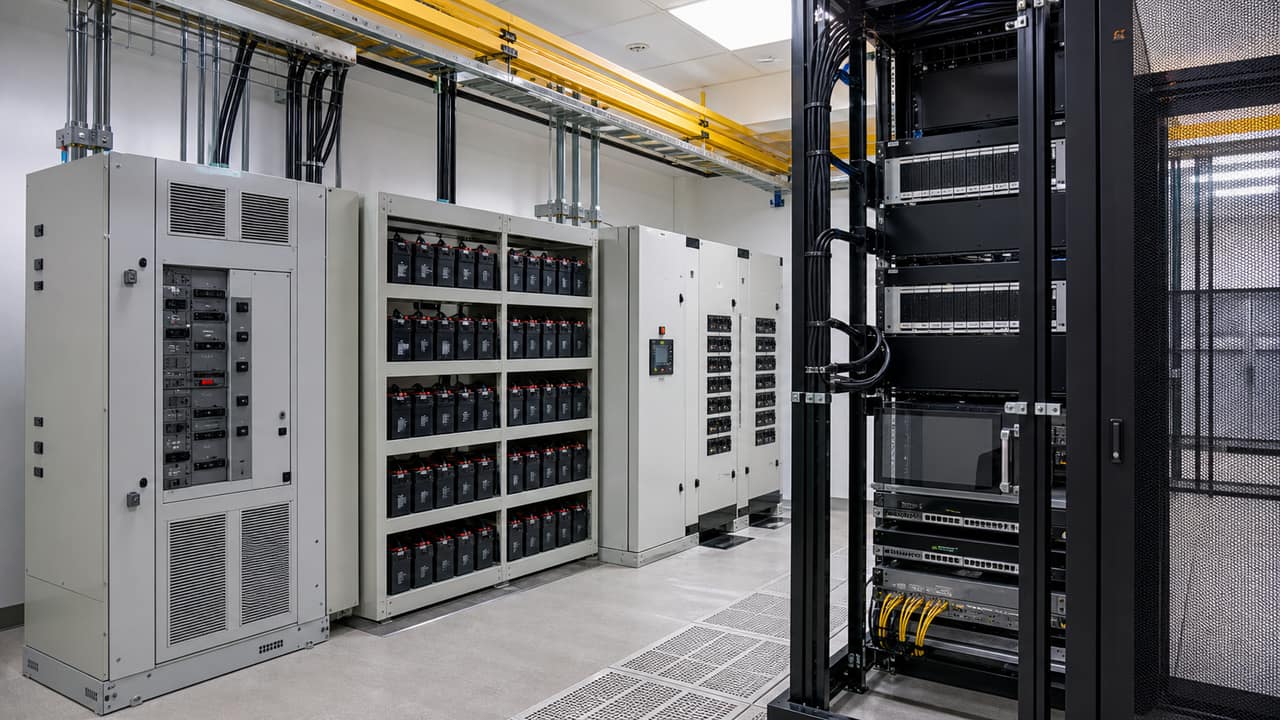
Copper weight, heat transfer, battery interfaces, component continuity and release testing are confirmed for the project.
Control, protection, sensing, communication and power sections need an approved manufacturing and verification baseline.
Send your approved files and requirements. EBest PCBA confirms the layout, manufacturing, assembly and inspection scope before quotation.
| Review Area | You Provide | EBest PCBA Confirms |
|---|---|---|
| Project Files | Gerber or ODB++, BOM, drawings and quantities | File completeness and project scope |
| PCB Requirements | Stack-up, material, copper, thickness and finish | Availability and manufacturability |
| Layout Rules | Schematic or netlist, outline, routing, spacing and isolation rules | Layout scope and rule implementation |
| Assembly | BOM, approved parts and assembly drawings | Sourcing and assembly route |
| Inspection & Test | Acceptance criteria and test requirements | Inspection, test and record scope |
Each stage confirms the electrical, thermal, manufacturing, sourcing, inspection, and test requirements needed before your project moves into production.
Confirm available PCB files, BOM, voltage and current requirements, quantities, mechanical constraints, and other project information.
Review copper weight, stack-up, isolation, thermal design, component placement, assembly access, and manufacturability risks.
Define approved materials, copper requirements, drill and via structures, surface finish, tolerances, and inspection criteria.
Review component sourcing, approved alternatives, assembly process, soldering requirements, workmanship criteria, and BOM revision.
Apply the required PCB inspection, SPI, AOI, X-Ray, electrical testing, and functional testing based on the project requirements.
Link approved revisions, material records, inspection results, test data, and traceability information to the finished production lot.
Explore PCB and PCBA manufacturing routes for power conversion, energy storage and control electronics. Final specifications follow review of your released data.
A current-carrying route where copper distribution, spacing, plated holes and heat must be reviewed together.
Review this build →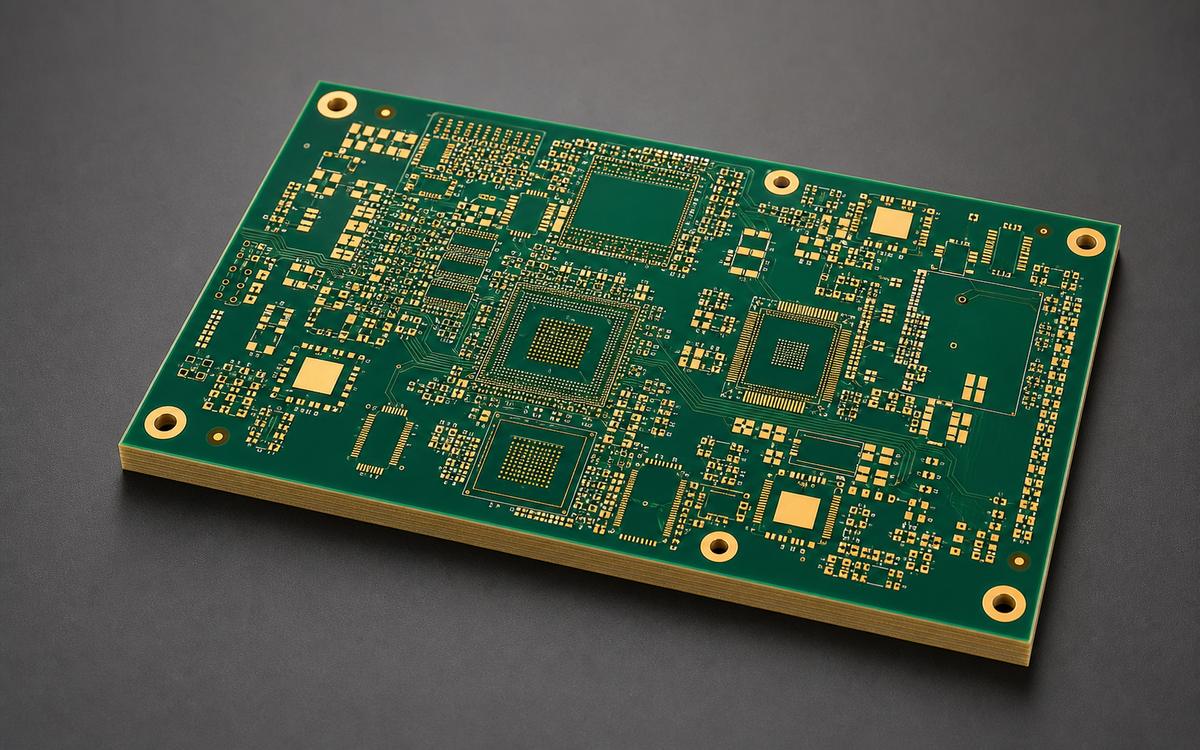
A thermal-cycle-aware multilayer route for control and gate-drive electronics exposed to sustained heat.
Review FR-4 capability →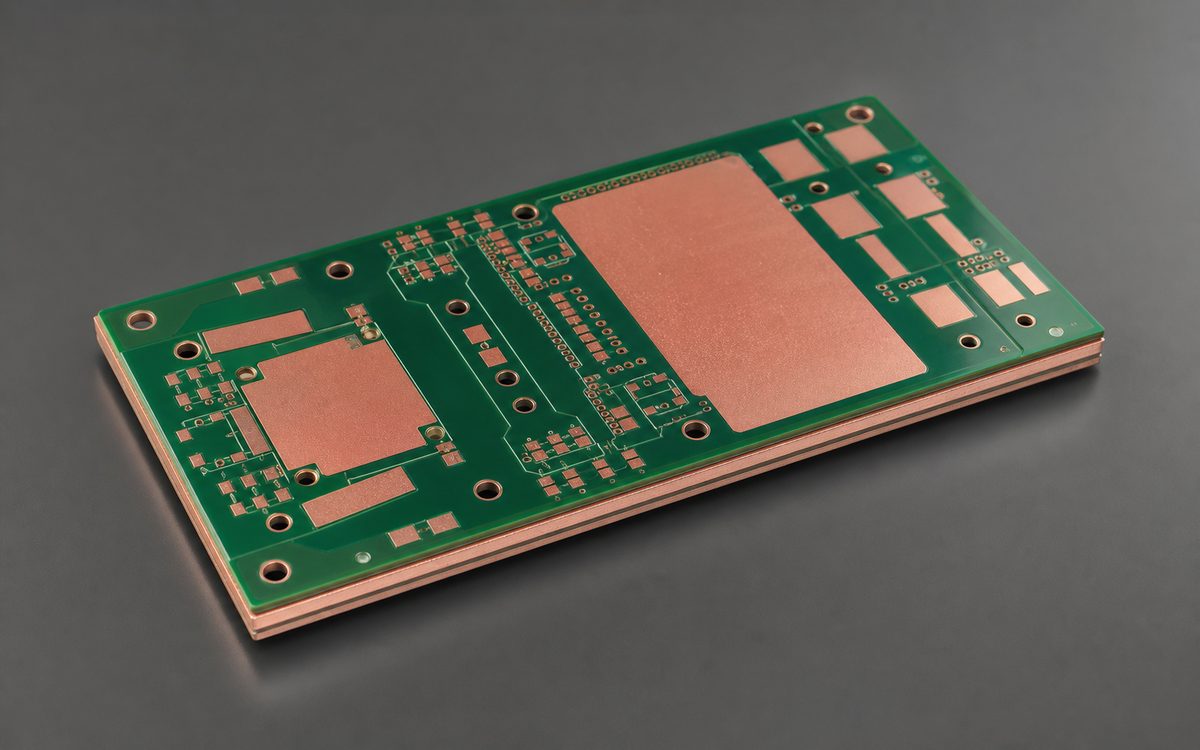
A metal-core route for compact assemblies where heat transfer, dielectric and mechanical interface control the construction.
Review MCPCB capability →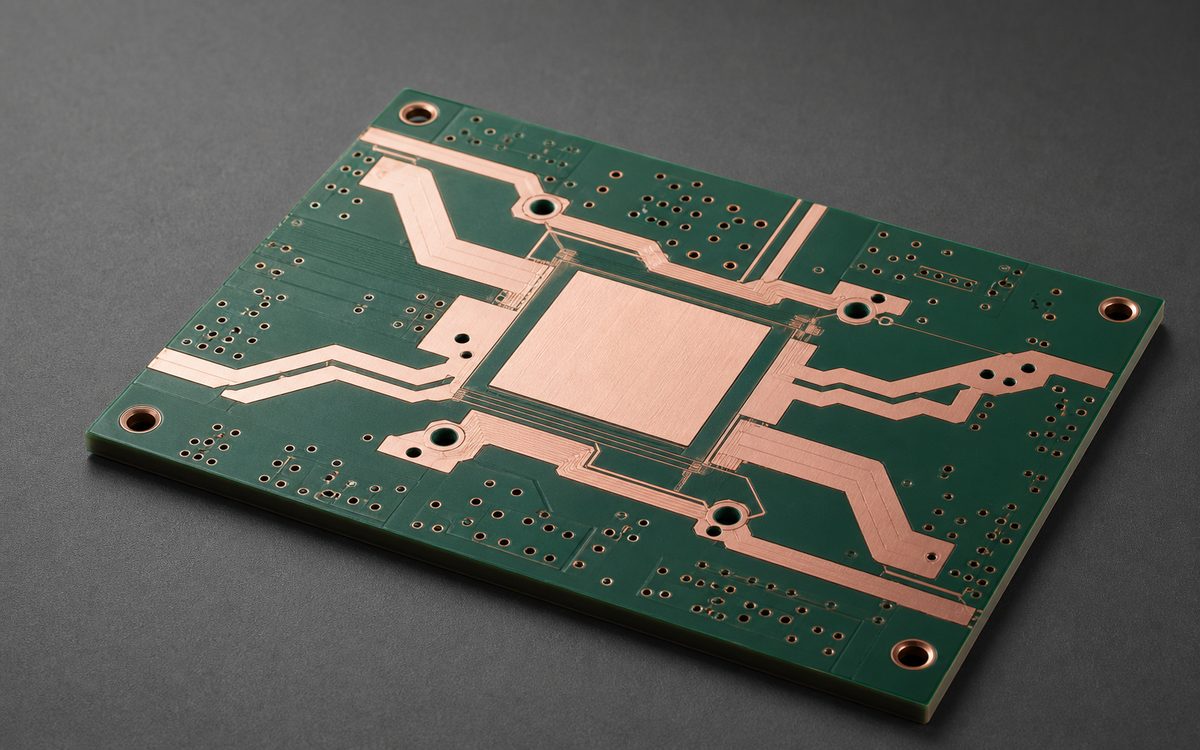
A review-required route for direct thermal transfer where copper-base geometry and assembly conditions are tightly coupled.
Review thermal PCB routes →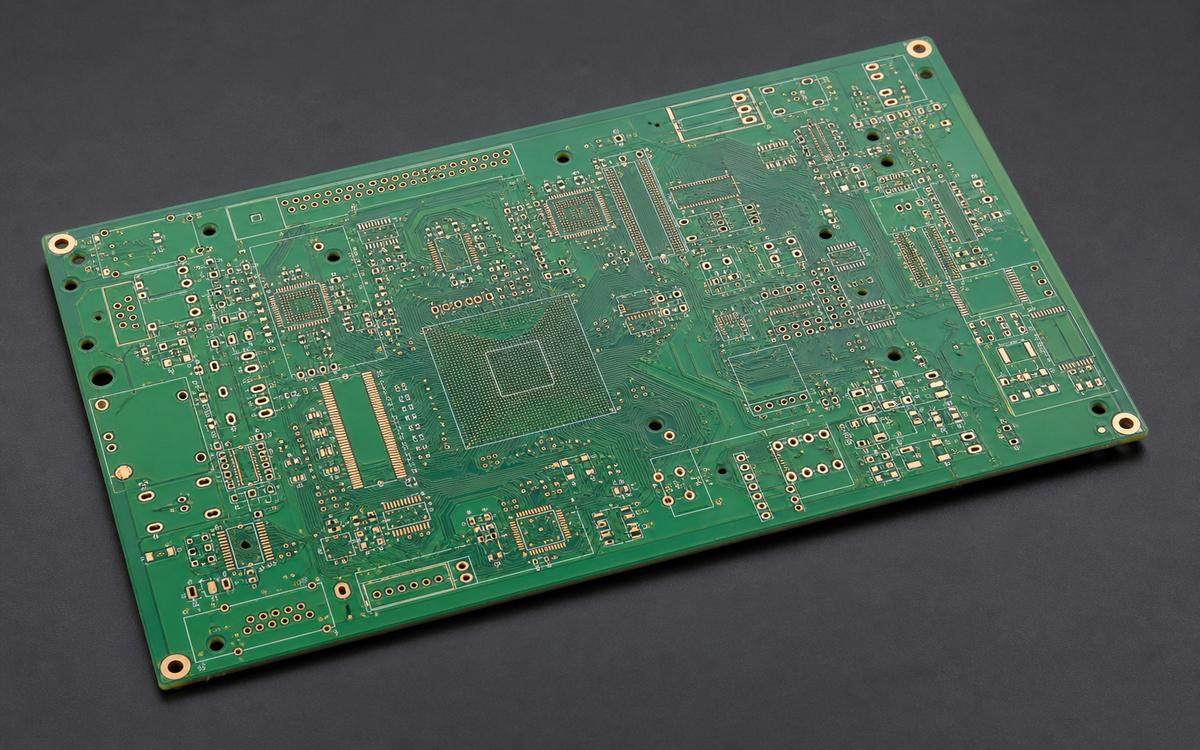
A coordinated FR-4 route for monitoring, balancing, communications, control and protection electronics.
Review multilayer capability →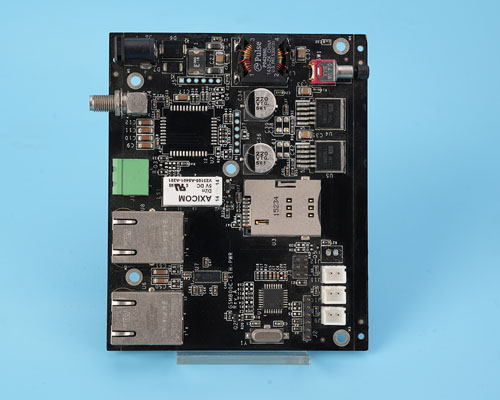
An assembled route that connects approved components, mixed packages, inspection access, programming and project-defined test.
Review PCBA assembly →Review the engineering support, PCB and PCBA manufacturing capabilities, inspection and test resources, and quality systems available for your new energy electronics project.
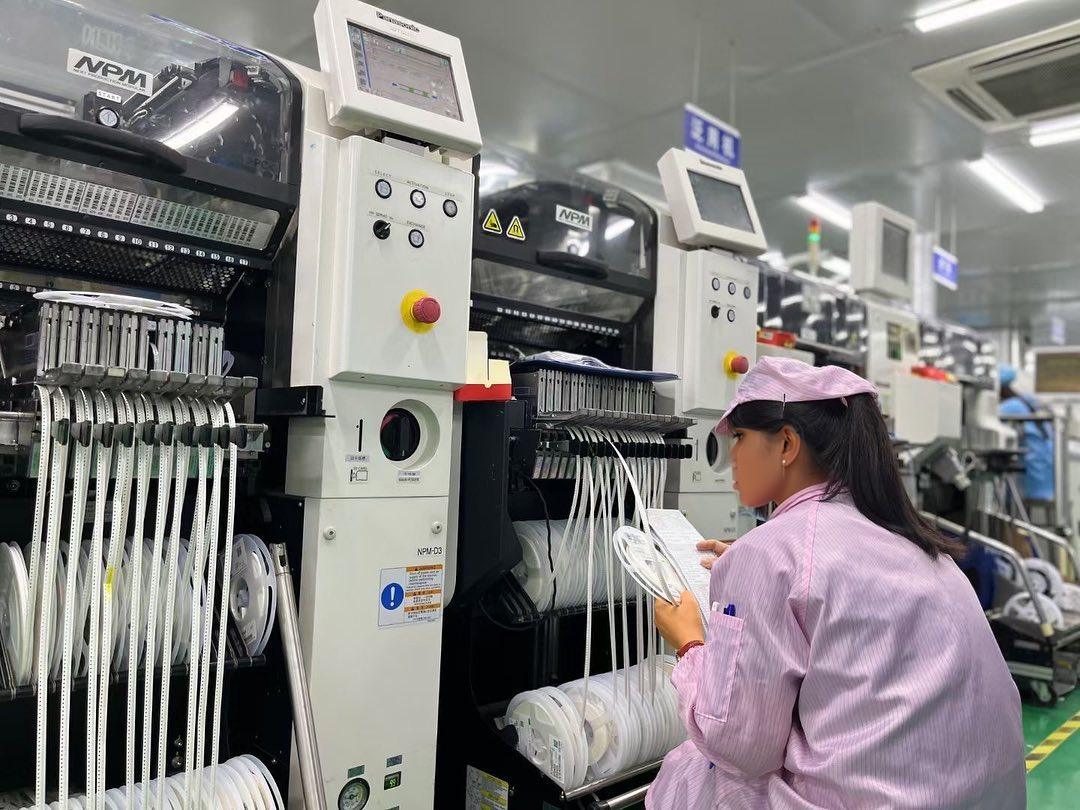
You do not need every answer before contacting EBest PCBA. Send the available files and flag the open questions; engineering will identify missing inputs before quotation.
Review practical guidance on materials, current capacity, thermal requirements, insulation, manufacturability, inspection, and assembly before your project moves into production.
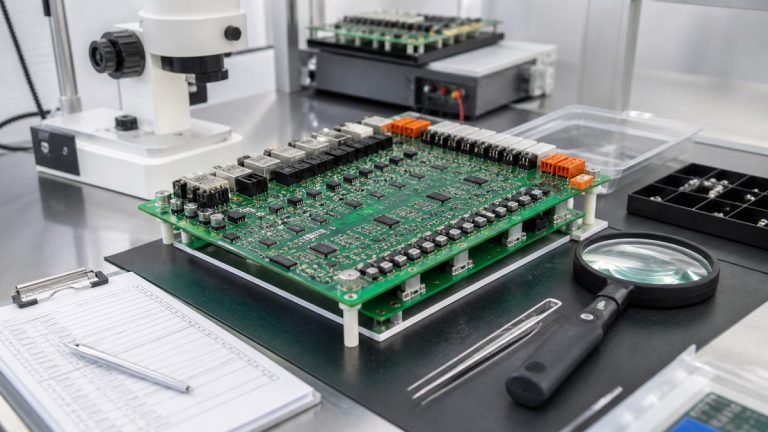
See how we inspect and test BMS and new-energy PCBAs across sensing, isolation, power joints, programming, communications and functional limits.
Read article →Learn when a metal-core PCB is suitable and how we review dielectric, copper, thermal interfaces, isolation, mechanics and assembly evidence.
See how we manufacture heavy copper PCBs with controlled copper definition, spacing, vias, thermal interfaces, inspection and assembly planning.
See how we preserve specified PCB creepage, clearance, slots, coating boundaries and high-voltage geometry through fabrication and assembly.
See how we review power-electronics PCB copper, isolation, thermal paths, components, connectors, inspection and test access before manufacturing.
See how we convert power-electronics PCB and PCBA prototypes into controlled repeat production with copper, thermal, isolation, inspection and test evidence.
Share the files and requirements you already have. EBest PCBA will review the PCB construction, materials, component sourcing, assembly, thermal requirements, inspection, and testing before the project moves forward.