

01 / ENGINEERING
Medical PCB Layout & DFM
Review placement, grounding, isolation, component height, test access and manufacturing outputs from the approved medical-electronics inputs.
Review medical PCB layout →EBest PCBA supports medical electronics from PCB fabrication and component sourcing to assembly, inspection, testing, and production release. Revision control, traceability, and defined quality requirements help keep each build aligned with your approved files.
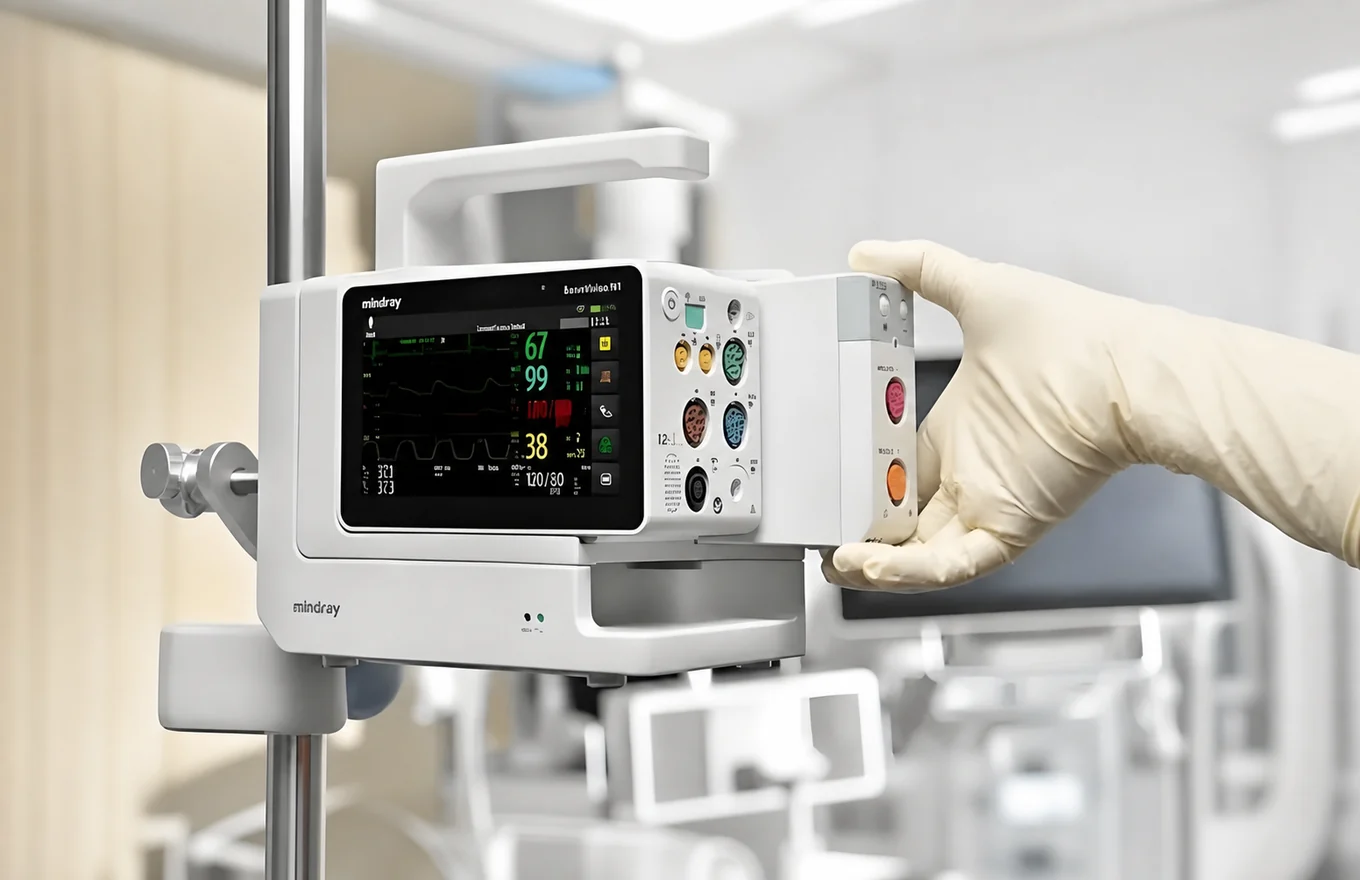 Medical Electronics Application
Connect medical PCB layout, medical PCB prototyping, controlled fabrication, component traceability, medical PCBA assembly and project-defined testing without rebuilding the supplier route at every stage.
Review placement, grounding, isolation, component height, test access and manufacturing outputs from the approved medical-electronics inputs.
Review medical PCB layout →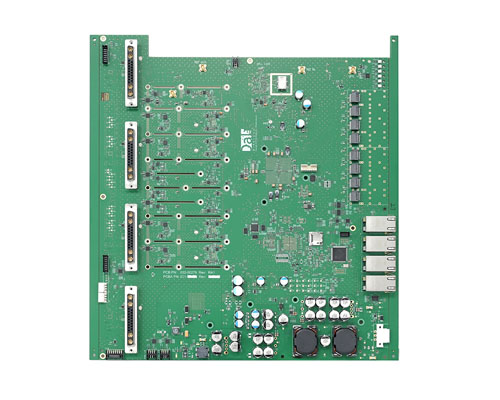
Use controlled medical PCB sample builds to confirm construction, component fit, assembly learning, inspection access and open risks before repeat production.
Review medical PCB prototyping →
Release approved laminate, stack-up, copper, drill, finish, panel, inspection and traceability requirements as one repeatable production baseline.
Review medical PCB production →
Connect approved components, SMT assembly, SPI, AOI, X-ray and project-defined electrical or functional testing to the released revision.
Review medical PCBA assembly →Medical electronics place different demands on PCB construction, component control, assembly, inspection, and testing. The examples below show common application areas supported by EBest PCBA, with the final manufacturing requirements defined by your approved files and quality criteria.

PCB and PCBA for patient monitors, vital-sign monitoring systems, bedside equipment, and related monitoring devices.

PCB and PCBA for diagnostic instruments, laboratory analyzers, testing equipment, and medical measurement systems.

PCB and PCBA for ultrasound systems, imaging equipment, display modules, control units, and related electronics.

Compact PCB and PCBA for portable monitors, wearable medical devices, handheld equipment, and battery-powered products.
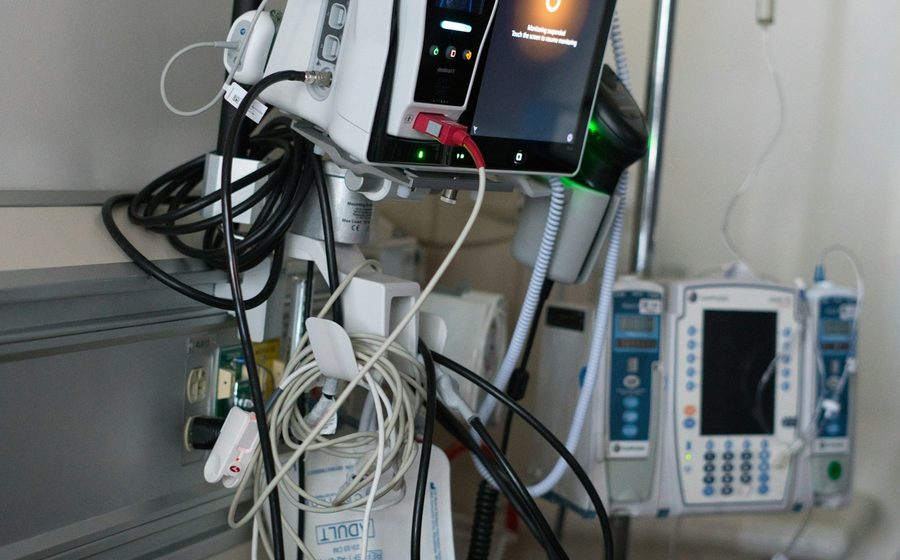
PCB and PCBA for treatment equipment, therapy devices, control systems, and other electrically operated medical products.

PCB and PCBA for hospital equipment, clinical systems, medical terminals, control units, and supporting electronics.
Product-specific regulatory classification, validation and final approval remain the customer's responsibility unless otherwise agreed.
Before production starts, confirm the approved files, BOM, component requirements, assembly process, inspection and test scope, and traceability requirements. Resolving open issues early helps reduce revision errors, unapproved component changes, testing gaps, and production delays.
Production data, BOM and test documents do not share one approved baseline.
Availability pressure creates an unreviewed substitution or sourcing exception.
Generic inspection misses hidden joints or product-specific functional limits.
The finished build cannot be connected clearly to approved inputs and process evidence.
These are review categories, not an unconditional medical-device specification. Final construction, tolerances, sampling, test coverage and records follow the approved project files and quotation.
| Review area | Available manufacturing process | Confirm before quotation |
|---|---|---|
| PCB layout engineering | Layout development from approved schematics, netlists, board outlines, stack-up requirements and mechanical or interface constraints. | Schematic, netlist, component library, placement rules, critical nets, impedance, mechanical envelope and required output package. |
| PCB construction | FR-4 multilayer, controlled impedance, HDI, flex, rigid-flex, metal-core and ceramic routes may be reviewed where required. | Stack-up, laminate, copper, via structure, impedance, finish, cleanliness and applicable acceptance standard. |
| Assembly | SMT, through-hole and mixed-technology assembly with engineering review from prototype and NPI through repeat production. | Package range, component sensitivity, process profile, workmanship class, coating or cleaning requirement and approved revision. |
| Component sourcing | BOM review, approved-channel sourcing, lifecycle screening and controlled alternative evaluation. | Approved manufacturer list, date or lot restrictions, traceability level, alternates, customer-supplied items and change approval route. |
| Inspection | SPI, AOI, visual inspection and X-ray can be combined according to joint visibility, package risk and process stage. | Coverage, sampling, acceptance limits, defect classification, image retention and exception disposition. |
| Electrical & functional test | Project-defined ICT, flying-probe support, programming and functional testing may be integrated when procedures are available. | Test specification, fixtures, software, limits, golden sample, calibration responsibility and required output record. |
| Records & traceability | Material, lot, process, inspection, test, revision and release records can be organized around an approved production process. | Record type, retention period, serialization, data format, customer report needs and responsibility boundaries. |
Engineering boundary: special combinations, exceptional tolerances, regulatory claims and customer-specific validation requirements require file review and written confirmation before commercial release.
Before approving a PCBA supplier, your procurement and quality teams can review the relevant certifications, inspection resources, manufacturing capabilities, and engineering support for your project.
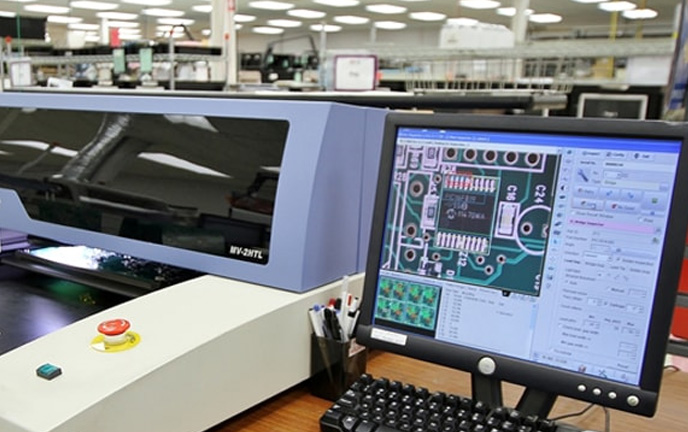
Explore PCB project requirements covering rigid-flex construction, controlled impedance and manufacturing records. Final production requirements follow the approved project files.
MED01 / PROJECT REQUIREMENTS
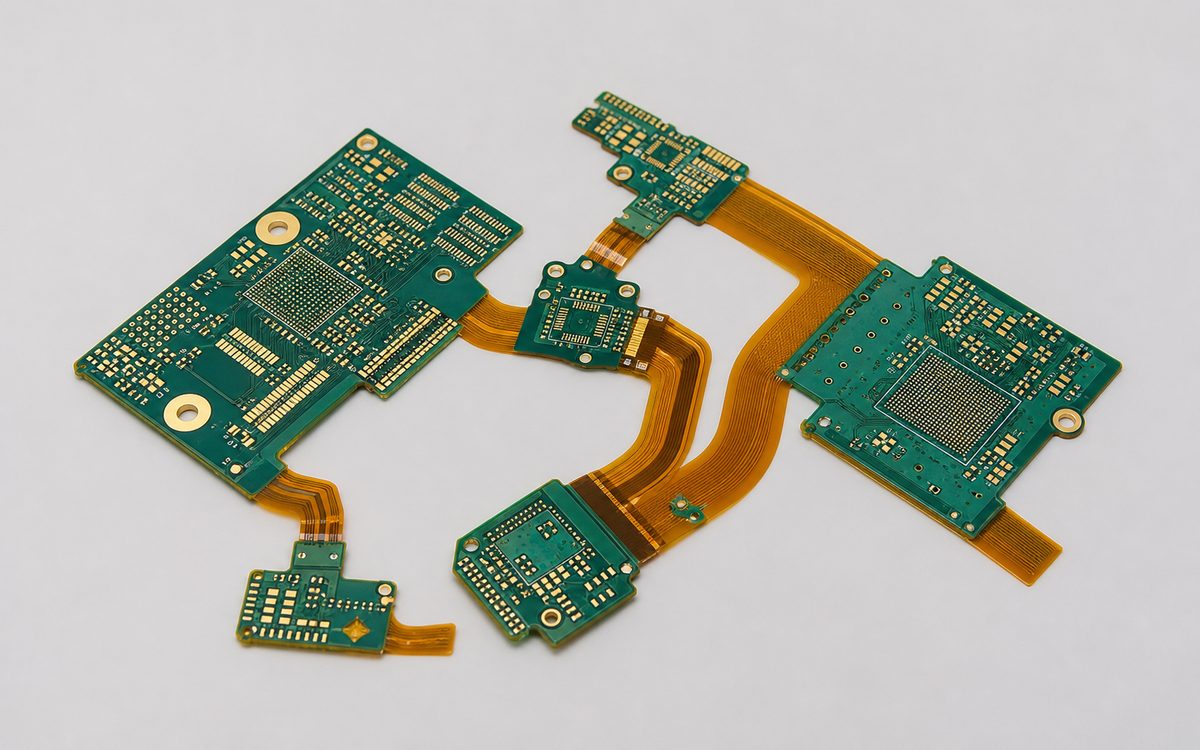
This medical electronics project required 100 pieces of 16-layer rigid-flex PCBs. The main manufacturing requirements included controlled impedance, tightly controlled thicknesses in the rigid and flex sections, IPC-6012 Class 3 acceptance criteria and four-wire electrical resistance testing.
MED02 / PROJECT REQUIREMENTS
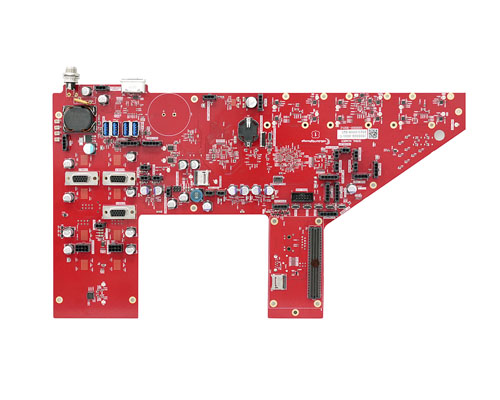
This 4-layer rigid-flex PCB combined a 1.6 mm FR-4 rigid section with an adhesive-free RA flex section. The order required separate thickness control for the flex and gold-finger areas, controlled impedance and panelized delivery.
MED03 / PROJECT REQUIREMENTS
This 8-layer FR-4 PCB required three controlled-impedance values, a customer-defined asymmetric copper construction and specified silkscreen markings.
You do not need every answer before contacting EBest PCBA. Available files are enough to start; missing inputs can be identified during engineering review.
Prepare design, sourcing, inspection, traceability and production decisions before committing a medical electronics program.
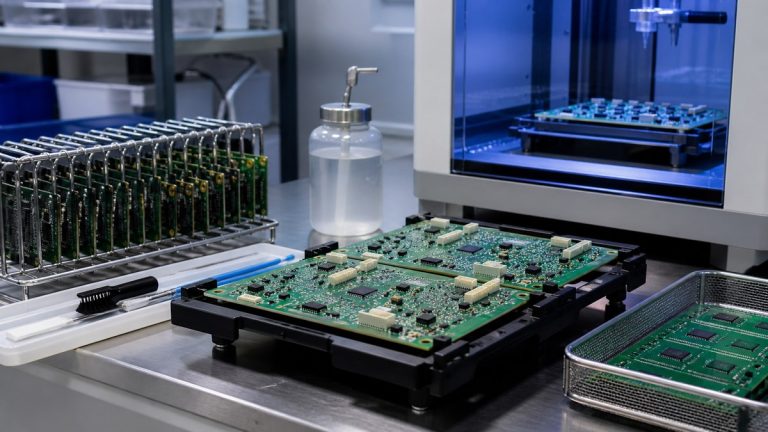
See how we control medical PCBA cleaning, handling, conformal-coating material, masking, cure, inspection and production records.
Read article →See how we combine AOI, X-ray, ICT and functional testing to provide risk-based inspection and test evidence for medical PCBA production.
See how we control medical PCBA BOM identity, component obsolescence, approved substitutions, validation inputs and production traceability.
See how our ISO 13485 processes and MES-related records connect medical PCBA revisions, materials, production, inspection, testing and release.
Send the available files so the open design, sourcing, inspection, traceability and quotation questions can be organized before release.
Clear answers before you submit design files, approve a production route or commit a supplier.