
Skip to content
Automotive electronics manufacturing

Automotive PCB & PCBA Manufacturing

From PCB fabrication and component sourcing to assembly, inspection, and traceability, EBest Circuit supports automotive electronics projects with manufacturing controls built around your design and quality requirements.

IATF 16949group certification; scope verified
SPI · AOI · X-rayinspection matched to project risk
PPAP / APQPcustomer program support route
Traceable Releaserevision and evidence records
Automotive electronics manufacturing and vehicle integration environment Automotive Electronics Application
Automotive electronics manufacturing from component control through inspection and testing.
One controlled automotive-electronics route

From Automotive PCB Prototyping to Production Release Evidence

Connect automotive PCB layout, prototype validation, controlled fabrication, approved component sourcing, PCBA assembly, PPAP or APQP inputs and traceable release records.

Engineering team reviewing automotive PCB layout and manufacturing inputs
01 / AUTOMOTIVE ENGINEERING

Automotive PCB DFM & Engineering Review

Review Gerber files, stack-up, materials, impedance, tolerances, and assembly requirements before production.

Review automotive PCB layout  →
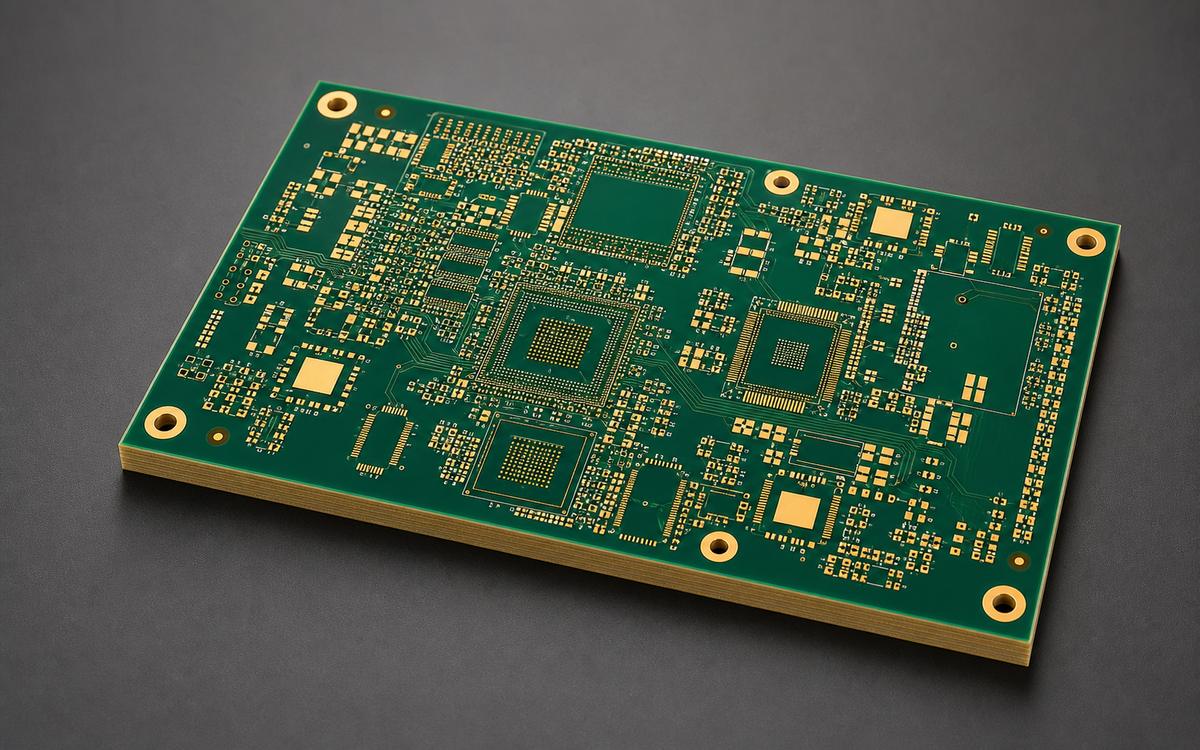
Physical high-Tg multilayer PCB used for automotive prototype review
02 / AUTOMOTIVE PCB PROTOTYPING

Automotive PCB Prototyping & NPI

Build prototypes and pilot lots to verify PCB construction, assembly readiness, inspection requirements, and production documentation.

Review automotive PCB prototypes  →
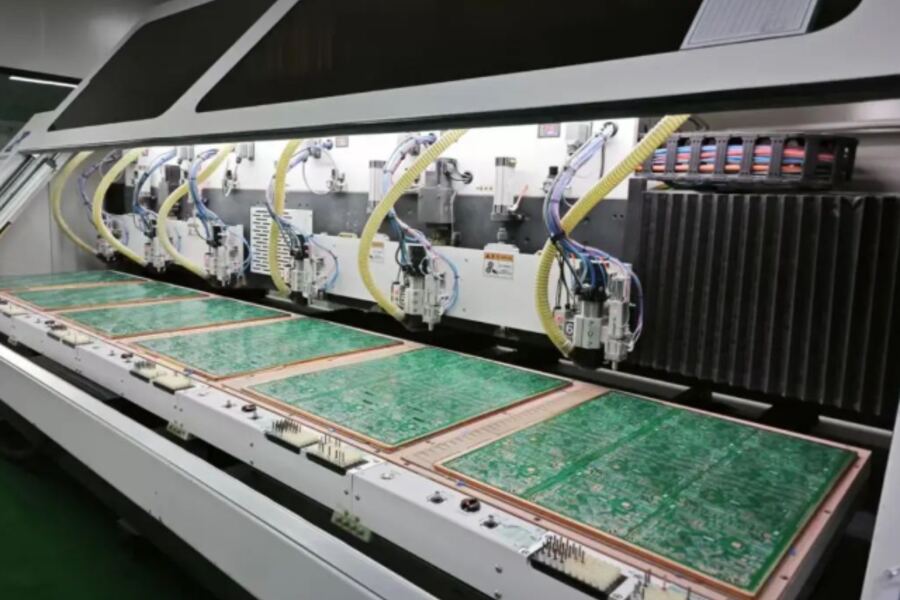
PCB batch production line supporting controlled automotive PCB manufacturing
03 / CONTROLLED PRODUCTION

Automotive PCB Manufacturing

Manufacture automotive PCBs using approved materials, controlled revisions, defined process requirements, and production traceability.

Review automotive PCB production  →

PCBA production team supporting automotive assembly and testing
04 / PPAP & RELEASE

Automotive PCBA Assembly & Quality Records

Support SMT/THT assembly, SPI, AOI, X-Ray, electrical or functional testing, with required production and quality records.

Review automotive PCBA  →
Automotive program risks

Review the Risks Before Automotive PCB/PCBA Production

Review thermal requirements, vibration and interconnect reliability, component lifecycle, design changes, and inspection requirements before production begins.
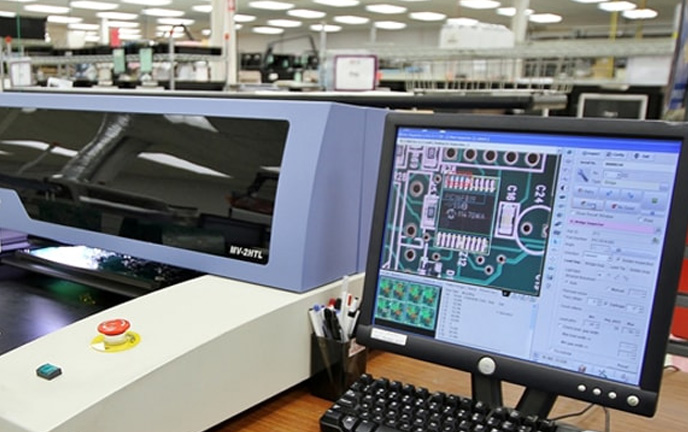
Automated optical inspection used to review assembled PCB quality
01

Thermal and reflow exposure

Match laminate, copper, assembly profile and operating conditions to the application.

02

Vibration and interconnect reliability

Review board thickness, connector support, component mass and solder-joint access.

03

Component lifecycle and alternatives

Record approved manufacturers, availability, alternates and customer authorization paths.

04

Revision and change control

Keep approved data, deviations, substitutions and production records linked to the released build.

05

Inspection and release evidence

Define coverage, acceptance criteria, sample rules and required records from the actual project.

Application areas

Automotive Electronics Programs We Can Review

These industry scenes identify common application contexts; they are not customer project claims. The approved construction and test route always follows the released files and operating requirements.
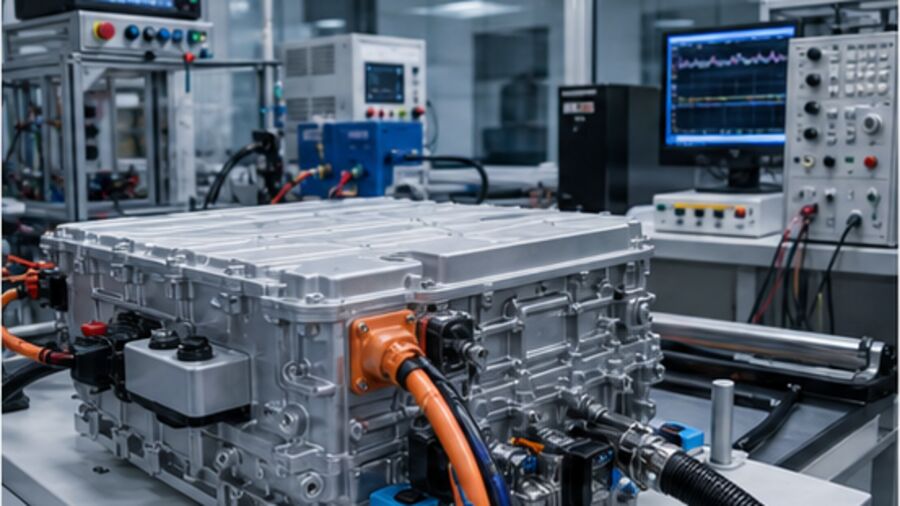
Electric vehicle powertrain and inverter validation application
Power electronics

EV Powertrain & Inverter Control

Review high-current paths, thermal exposure, isolation, sensing, gate-drive and assembly constraints.
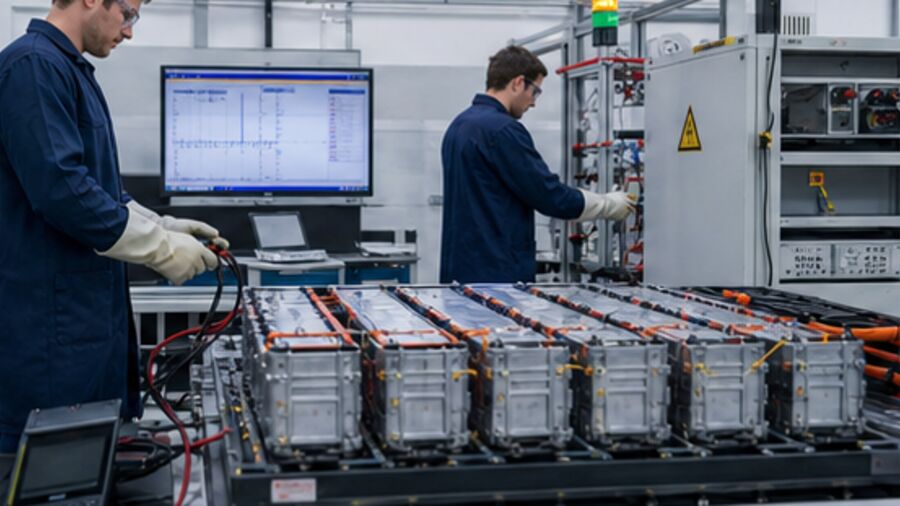
Battery management system and EV battery validation application
Energy management

Battery Management Systems

Align cell monitoring, isolation, balancing, connector interfaces and traceable component control.

ADAS sensor calibration and vehicle electronics validation application
Sensing

ADAS & Sensor Electronics

Review signal integrity, compact packaging, camera or radar interfaces and inspection access.

Electric vehicle charging electronics application
Charging infrastructure

EV Charging Electronics

Connect power conversion, metering, communications, protection and environmental requirements.

Automotive infotainment and telematics application
Connectivity

Infotainment & Telematics

Coordinate high-speed interfaces, RF sections, displays, connectors and repeat-build component status.
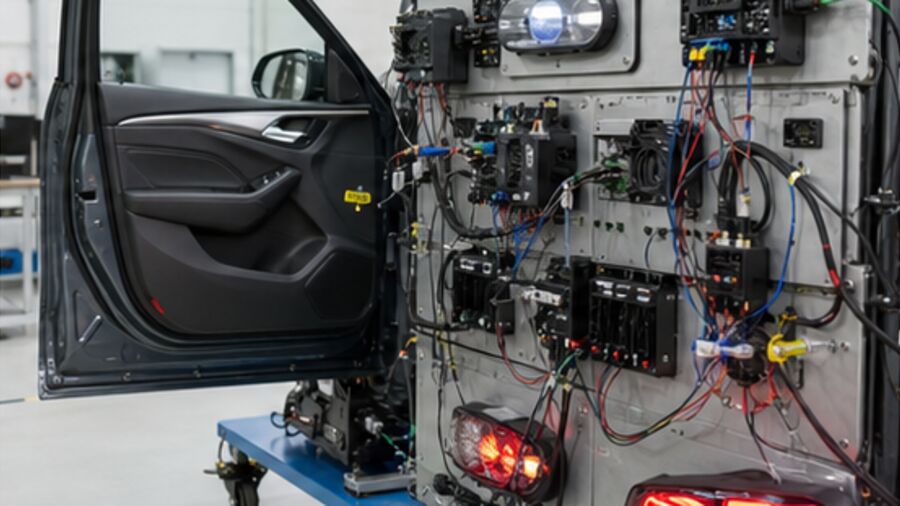
Vehicle body control electronics validation application
Vehicle control

Body & Comfort Electronics

Review mixed I/O, relay or driver circuits, connectors, programming and functional acceptance.

Project Review Before Quotation

What We Confirm Before Quotation

Send your approved files and automotive requirements. EBest PCBA confirms the PCB manufacturing, component, assembly, inspection and test scope before quotation.
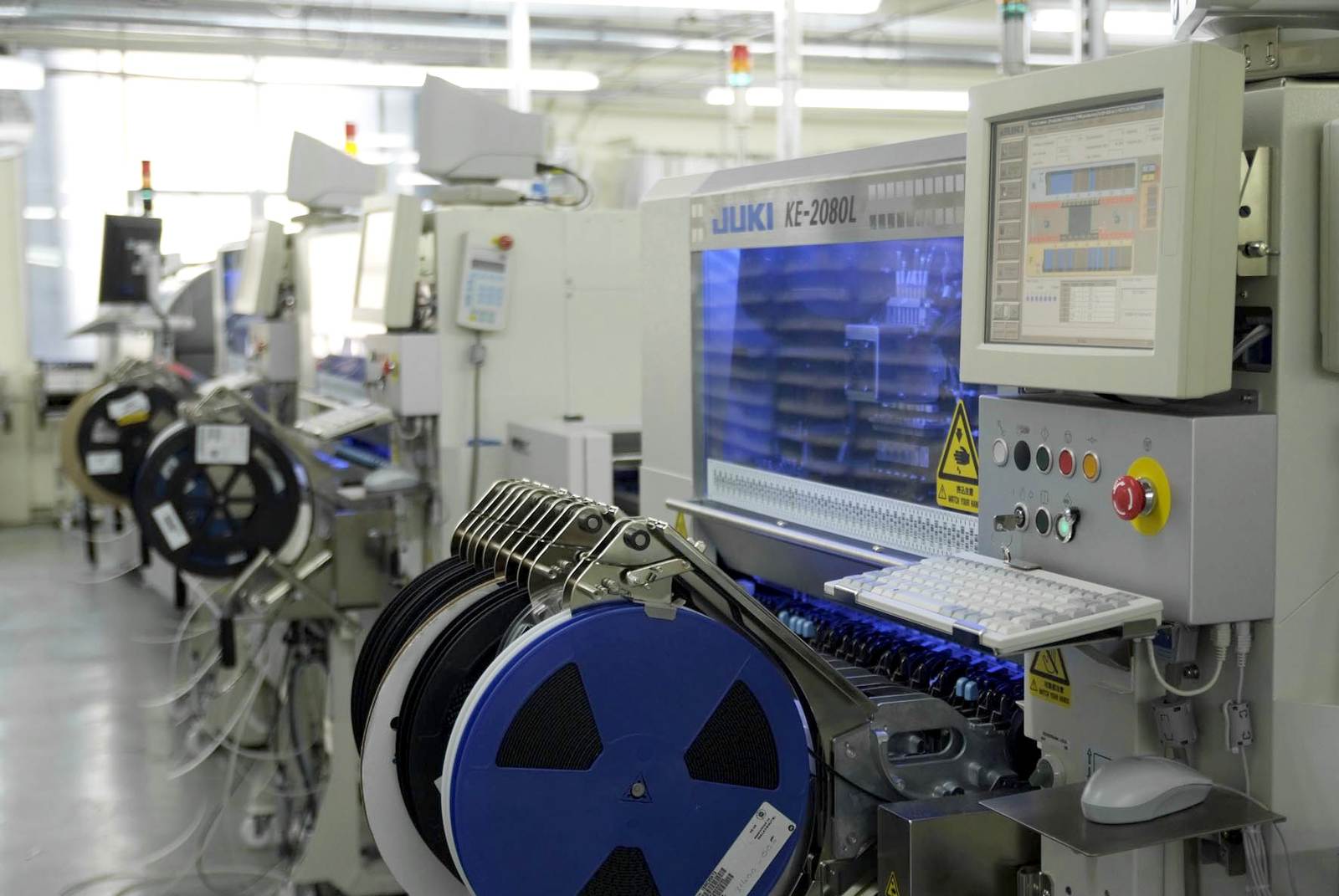
SMT placement on the PCBA production line
SMT placement on the PCBA production line.
Review AreaYou ProvideEBest PCBA Confirms
Project FilesGerber, BOM and drawingsFile completeness and scope
PCB RequirementsStack-up, material and impedance requirementsAvailability and manufacturability
ComponentsApproved BOM and sourcing requirementsAvailability and sourcing route
Assembly & InspectionAssembly and inspection requirementsProcess and inspection coverage
TestingTest requirements and acceptance criteriaTest and record scope
Changes & RecordsApproved revisions and change requirementsChange control and records
Evaluation to repeat production

A Clear Process Before Automotive PCBA Production Starts

Before production begins, the project files, PCB construction, component requirements, prototype results, inspection scope, and required records are reviewed and confirmed against the approved project requirements.

01

Files & Requirements

Confirm Gerber/ODB++, BOM, drawings, quantities, test requirements, and other available project information.

02

DFM & Engineering Review

Review PCB construction, stack-up, materials, impedance, assembly requirements, and open manufacturing risks.

03

Prototype & NPI

Build and verify prototypes or pilot lots to confirm manufacturability, assembly readiness, inspection, and test requirements.

04

PCB & PCBA Production

Manufacture and assemble against approved files, BOM revisions, materials, and defined process requirements.

05

Inspection, Testing & Records

Complete required inspection and testing, with traceability and quality records linked to the finished production lot.

PCB and PCBA project requirements

Three Automotive PCB & PCBA Project Examples

Your quotation confirms the materials, construction, inspection requirements and production process.

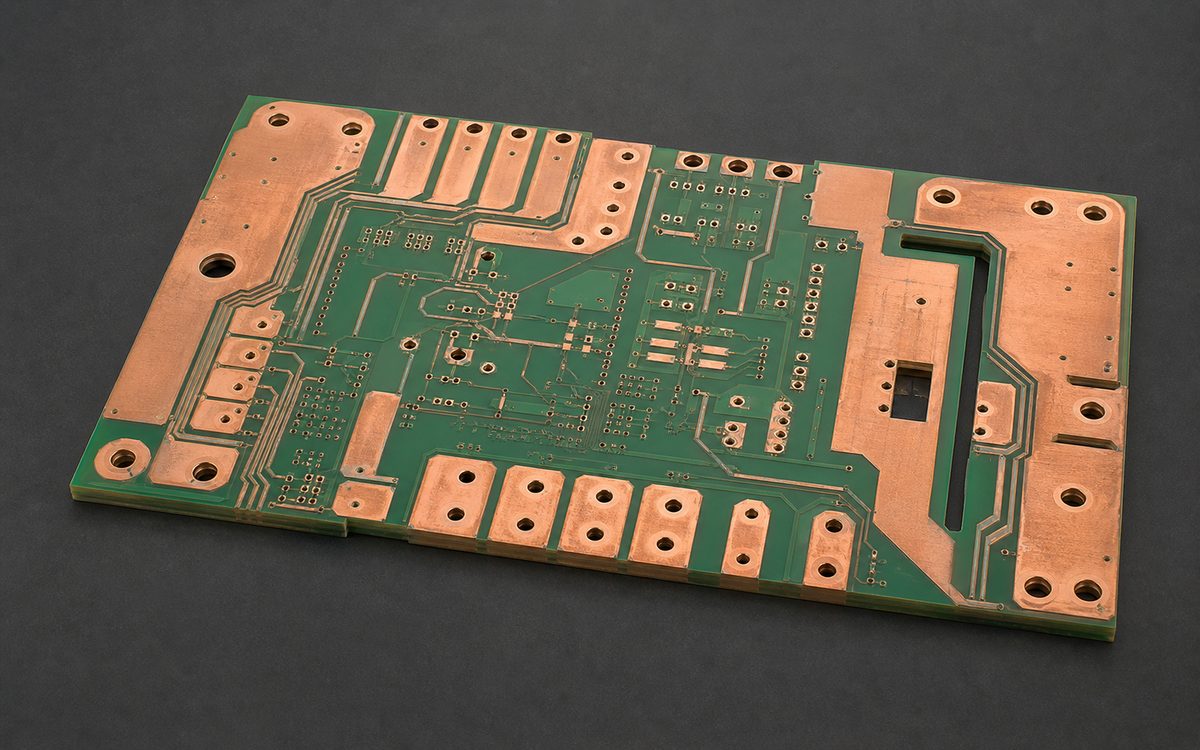
High-Tg multilayer control PCB

AUT01 / PROJECT REQUIREMENTS

6-Layer PCBA With Post-SMT Cleaning and AOI

This six-layer assembly order required panelized PCBs for SMT, followed by cleaning and AOI inspection with image records. Finished assemblies were required individually, with the customer specifying 16949 compliance.
Board construction
FR-4, Tg 150°C; 1.5 mm ±10% finished thickness.
Copper and finish
1 oz on inner and outer layers; ENIG, 1 µin.
Board dimensions
174.4 × 94.3 mm.
Masking
Green solder mask, white silkscreen and tented vias.
Post-SMT cleaning
No visible solder balls, solder debris, flux or other residue; cleaning must not damage installed components.
Component compliance
All components required to comply with RoHS.
Assembly inspection
AOI required after SMT, with inspection images supplied.
Shipment packaging
Individual assemblies in antistatic bags.
Discuss Similar Project
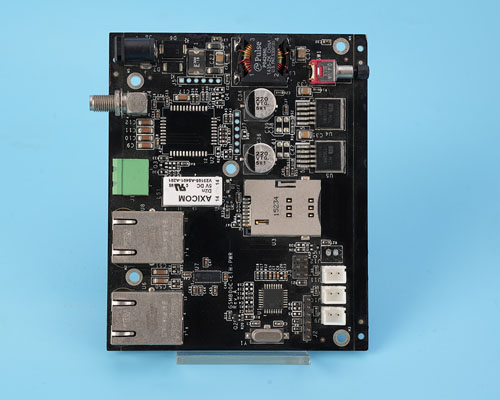
Heavy-copper power PCB for engineering review

AUT02 / PROJECT REQUIREMENTS

4-Layer PCB With Sequential Smart-Driver Markings

This bare-board order required sequential Smart-Driver identification on the front silkscreen and clean exposed pads without solder-paste printing. Panel layout was left to the manufacturer, subject to customer approval of production data.
Laminate
FR-4, Tg 130°C.
Finished thickness
1.2 mm ±10%.
Layer copper
1 / 1 / 1 / 1 oz.
Surface treatment
Lead-free HASL; green solder mask and white silkscreen.
Serial identification
Smart-Driver-01# through Smart-Driver-10# on the front silkscreen layer.
Via coverage
Vias tented with solder mask.
Exposed pad condition
Keep openings clean; no solder-paste printing required.
Panelization
Bare boards delivered in manufacturer-arranged panels after customer approval of production data.
Discuss Similar Project
Assembled automotive control and communication PCBA

AUT03 / PROJECT REQUIREMENTS

Rigid-Flex PCBA With DMC Traceability

This four-layer rigid-flex assembly order specified separate flex and rigid material systems, laser-marked DMC traceability and two adhesive pieces per board applied after SMT. Finished assemblies were required as individual units.

Flex section
Panasonic R-F786W 18/25/18; total thickness 0.14 ±0.03 mm; black coverlay.
Rigid section
SY S1000-2M with EM-37B(L)/1080 prepreg; 18 µm copper; total thickness 1.6 ±0.16 mm.
Specified coating
PSR-2000 CE886ME matte-black solder mask, white silkscreen and ENIG, 3 µin.
Post-assembly adhesive
Two Avery Dennison FT 7354L pieces per PCB, applied after SMT.
Laser traceability
DMC required rather than QR, following the customer traceability instructions and marking drawing.
Process documentation
Development and production flowcharts, a detailed delivery plan, bare-board fabrication and separation procedures, and assessment of stack-up suitability for automotive requirements.
Process capability
Cpk ≥1.67 required; dimensions excluded from Cpk requirements but must meet drawing tolerances.
Cleanliness and reporting
VDA 19.1 cleanliness requirements and an IMDS report specified by the customer.
Discuss Similar Project
Make Every Review Clear to Quality and Procurement

Quality and Procurement Review Before Supplier Approval

Supplier qualification should cover more than certifications alone. Review quality systems, inspection capability, automotive process controls, and DFM practices against the actual project requirements.
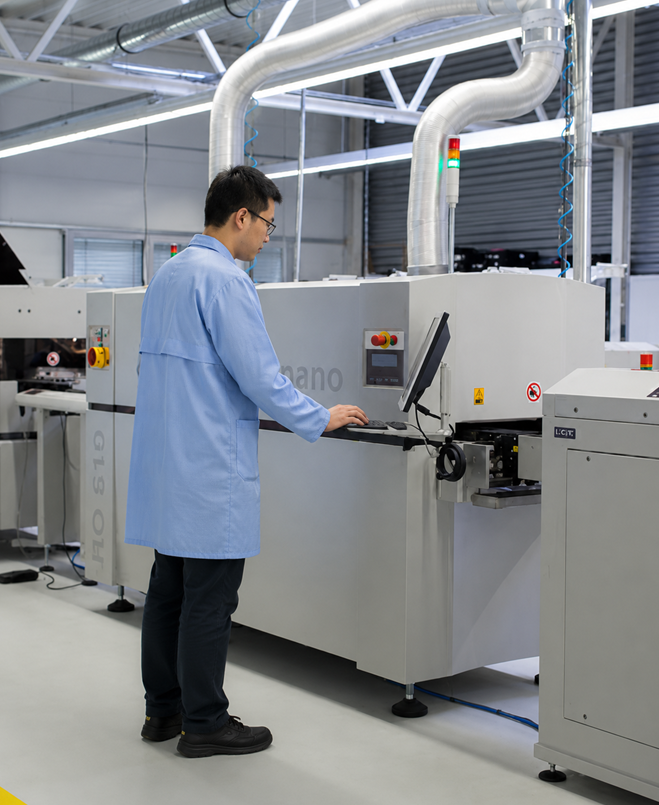
Technician operating equipment on an electronics production line
Prepare a quote-ready review

Send the Inputs That Control the Automotive Route

You do not need every answer before contacting EBest PCBA. Send the available files and flag open questions; engineering will identify the missing inputs before the quotation is released.

Gerber or ODB++ dataBOM and approved manufacturer listStack-up and fabrication drawingAssembly and workmanship requirementsInspection and test requirementsPPAP / APQP or customer inputsQuantity and delivery targetRevision and change-control notes
Automotive Electronics Library

Engineering Guidance for Automotive PCB & PCBA Projects

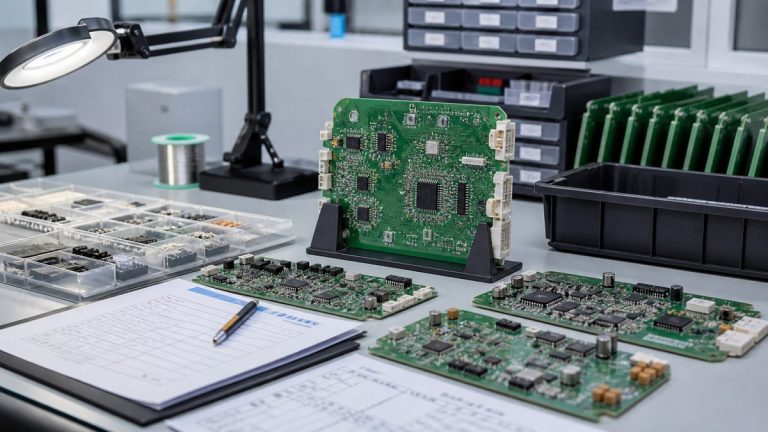
EBest PCBA provides engineering support throughout your automotive PCB and PCBA project, including DFM review, stack-up and material recommendations, component and assembly review, inspection planning, and test considerations before production.
View All Engineering Articles  →

Review the Engineering Risks Before You Finalize the Automotive PCBA Quote

Send your available Gerber files, BOM, drawings, quantities, and test requirements. EBest PCBA will review the open engineering items, identify missing information, and clarify the requirements that may affect cost, lead time, manufacturability, and production quality.

FAQ

Automotive PCB & PCBA Questions

What should I send for an automotive PCB or PCBA review?
Send the available Gerber or ODB++ data, BOM, fabrication and assembly drawings, quantities, schedule, applicable customer standards, inspection or test requirements and any PPAP/APQP inputs. Partial information is acceptable for an initial gap review.
Does IATF 16949 automatically apply to every project?
No. The applicable legal entity, manufacturing site, certified scope and current validity must be confirmed during supplier qualification. Project approval also depends on the actual construction, process, inspection and release requirements.
Can EBest PCBA support PPAP or APQP requirements?
Yes, subject to an agreed project scope. EBest PCBA can review the required customer inputs, process evidence and release records, while the specific PPAP level, document set, responsibilities and approval route must be agreed before quotation and production release.
Are AEC-Q qualified components included automatically?
No. Component qualification, approved manufacturers, lifecycle status, alternates and customer authorization requirements are confirmed from the BOM and program rules. AEC-Q status is treated as a component requirement, not a blanket PCBA claim.
Can one supplier support prototype through repeat production?
Yes, when the approved data, construction, component controls, assembly route, inspection and test requirements are carried forward as a controlled baseline. Prototype results and open exceptions are reviewed before volume release.
How are component substitutions and engineering changes controlled?
Alternatives, deviations and revision changes should follow the agreed customer authorization path. EBest PCBA records the approved data and links released substitutions or process changes to the applicable build documentation.
Which inspection and test methods are available?
SPI, AOI, X-ray and project-defined electrical, ICT, FCT or programming routes can be reviewed. Coverage, sampling, fixtures, software, limits and required records are confirmed from package risk and customer acceptance requirements.
Can I request an NDA before sending project files?
Yes. Email the NDA request first and identify the project contact. After confidentiality requirements are agreed, send the available manufacturing data for engineering review.