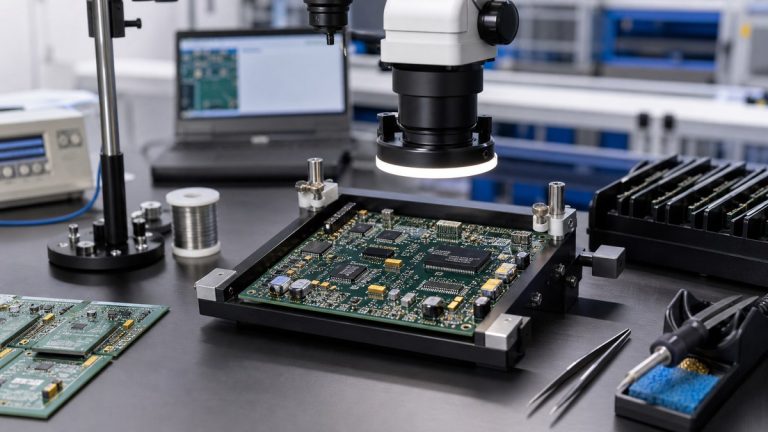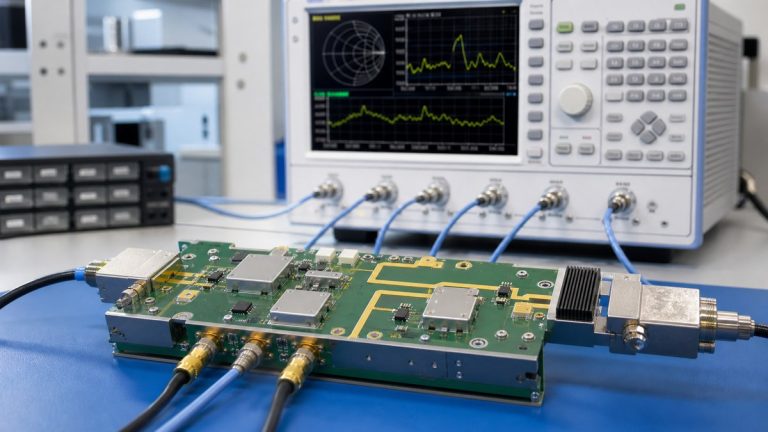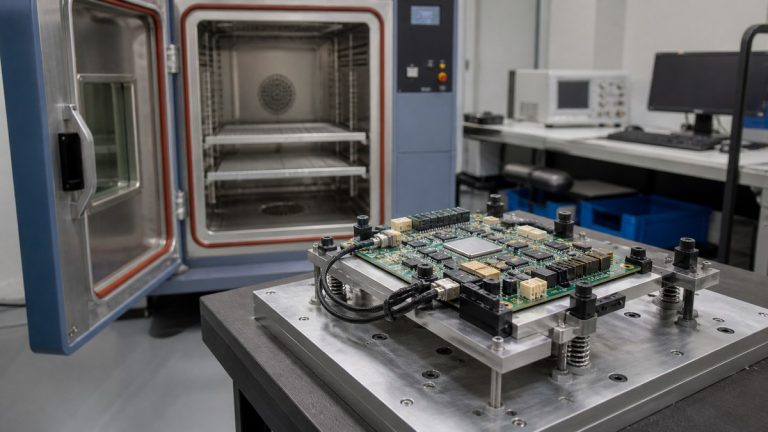
We help aerospace customers move successful PCB and PCBA prototypes into controlled repeat production. A working prototype confirms that a design can be assembled and evaluated, but it does not confirm that every temporary material choice, hand adjustment, file revision and test step is ready for repeat manufacturing. Before production release, our engineers turn the approved design and prototype findings into one controlled build package.
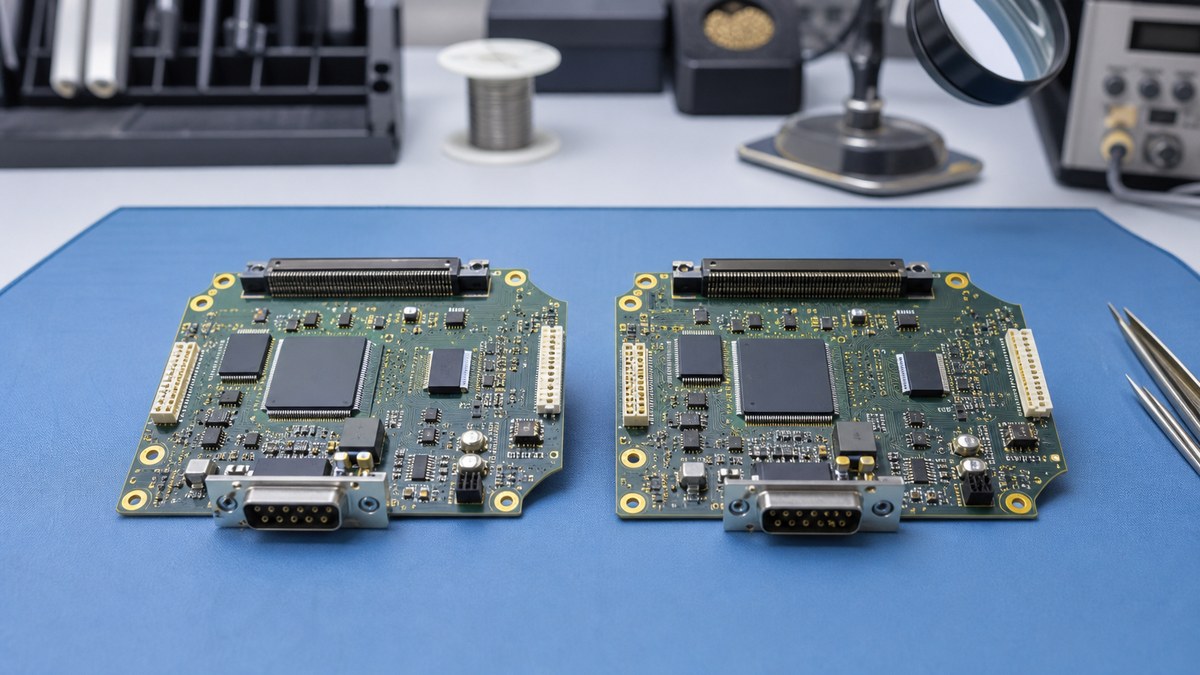
We connect your released files, approved materials and components, manufacturing route, inspection coverage, test requirements and traceability records to the same product revision. You receive a clear list of closed engineering issues, approved production inputs and the evidence planned for the build. This reduces the risk of a repeat order being manufactured from an outdated file or an undocumented prototype decision.
What We Establish Before Repeat Production
Our production-readiness review answers five practical questions: which revision will be built, which materials and components are authorized, which prototype exceptions must become controlled instructions, how the product will be inspected and tested, and which records must remain retrievable.
| Production decision | Our control | Evidence available to your team |
|---|---|---|
| Approved product definition | Customer part number and revision linked to released PCB, BOM and assembly data | Approved file list and engineering closure record |
| Material and component baseline | Specified materials, manufacturer part numbers and approved alternatives | BOM review and available lot or source records |
| Repeatable manufacturing route | Prototype findings converted into work instructions and process checkpoints | Released route and applicable production records |
| Inspection and test coverage | Methods assigned to identified fabrication, assembly and functional risks | Agreed inspection and test results |
| Traceability and release | Work order linked to agreed material, process and quality records | Traceability and shipment evidence defined for the project |
We Freeze One Approved Product Definition
Our engineers reconcile the Gerber or ODB++ data, drill files, stack-up, fabrication drawing, BOM or AML, CPL, assembly drawing, programming files and test requirements. If the prototype was built from different revision names or conflicting attachments, we return the conflict for customer approval before releasing production.
The approved package is connected to the customer part number, revision and production work order. Future changes follow the agreed review and approval path. This gives your team evidence that repeat production is tied to an identifiable configuration rather than the last file found in an email chain.
Prototype Exceptions Become Controlled Decisions
Prototype technicians may use hand soldering, local rework, temporary fixtures, engineering samples or manually selected process settings. Those actions can be appropriate for learning, but they cannot remain undocumented assumptions in repeat production.
We review what changed during the prototype, why it changed and whether the final production route needs a design update, approved work instruction, fixture, stencil change, inspection checkpoint or test step. Open issues remain visible until your team and ours agree on the production decision.
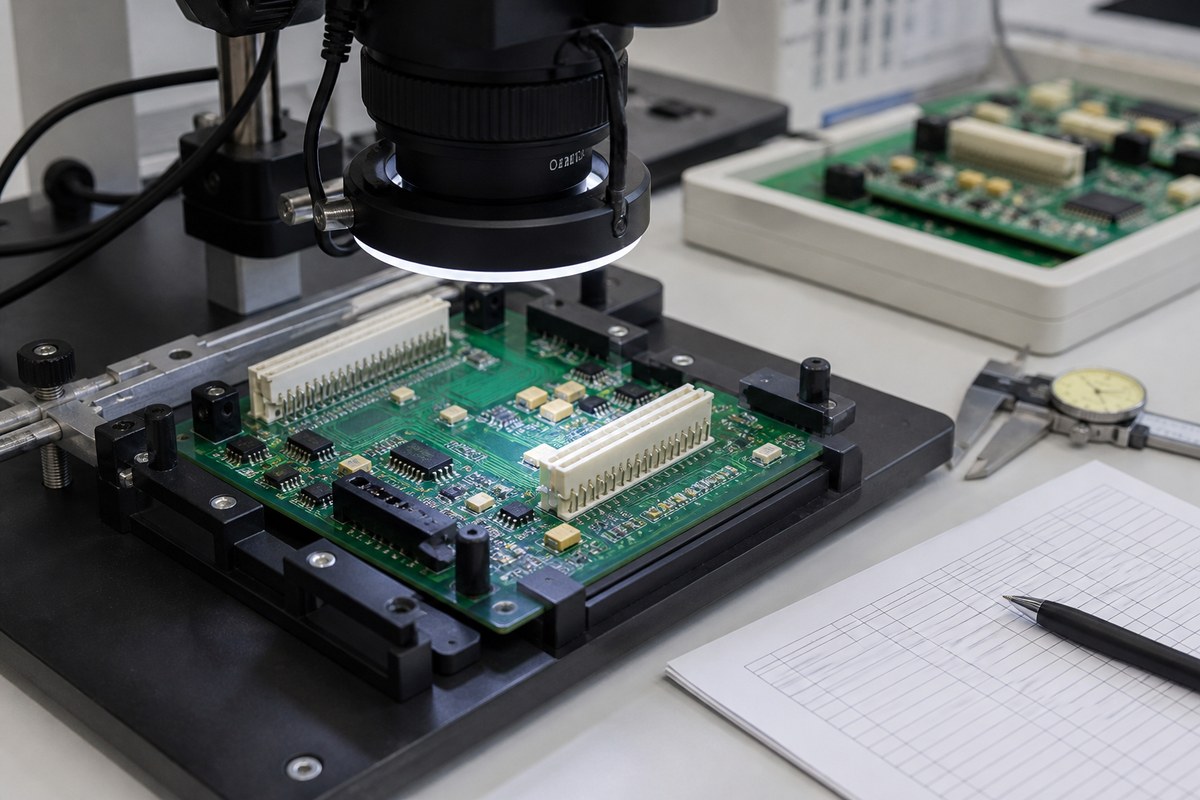
We Recheck Materials and Components for Production
A component purchased for prototype availability may not be suitable for repeated sourcing. Our BOM review checks manufacturer part numbers, approved manufacturers, lifecycle, availability, source restrictions and substitution rules. We also align PCB material, copper, stack-up, surface finish and special-process requirements with the released fabrication package.
When a proposed alternative changes electrical, thermal, mechanical or assembly behavior, we return it for the required approval before procurement. Where your project requires lot, date-code, UID or source traceability, we define those records before the production order is opened.
Inspection Coverage Follows the Product Risk
We select inspection methods for the actual construction and component package. SPI can monitor solder-paste conditions before placement. AOI can identify applicable visible placement and solder-joint defects. X-ray supports inspection of selected hidden interconnects such as BGA and other bottom-terminated packages. These methods cover different risks and are not interchangeable.
Before production, we confirm the applicable method, coverage, acceptance criteria, sampling where relevant, reaction plan and report requirement. Your team can then see which inspection result belongs to the released product and what that result demonstrates.
Testing Is Released With the Product
We review bare-board electrical test, programming, ICT, flying probe or functional test requirements according to the product and the responsibility agreed with the customer. A test name alone is not enough. We need the applicable netlist, procedure, access, fixture, firmware, limits, golden sample and report format.
The released test evidence identifies the product or lot, method or program revision, result and disposition. If measured values or failure details are required, we include them in the agreed deliverable before production rather than assuming a simple pass record will be sufficient.
Our Production Records Support Repeatability
Our MES-related records can connect the released work order with identified materials, recorded production steps and available inspection or test information. Project-specific UID, lot, date-code or product serial-number capture can be defined where required.
We agree the identifiers, scan points, report fields and retention period before the build. This lets your team understand how a finished product can be connected to its approved revision and available manufacturing history, and how an identified material or issue can be traced to an affected production range.
We Release Production With a Defined Evidence Package
Production release occurs after the required engineering questions, material decisions, manufacturing controls, inspection route, test scope and record requirements have been closed. Depending on the approved project, the evidence package can include applicable certificate documents, engineering responses, material or component records, inspection results, test records, nonconformance history, traceability data and shipment documents.
This controlled handoff is why customers use us for the transition beyond prototype. We do not rely on the prototype result alone. We preserve what was learned, remove temporary assumptions and connect repeat production to records your engineering and quality teams can review.
Send Your Aerospace Project for Production-Readiness Review
Send your latest Gerber or ODB++ files, stack-up, fabrication drawing, BOM, CPL, assembly drawing, prototype issue list, quantity, workmanship requirement, inspection plan, test procedure, traceability depth and required quality records to sales@ebestpcba.com.
We will return the file conflicts, open production decisions, proposed control route, required customer approvals and evidence we can provide. Your team can then decide whether the design and manufacturing package are ready for a controlled aerospace PCB or PCBA build.