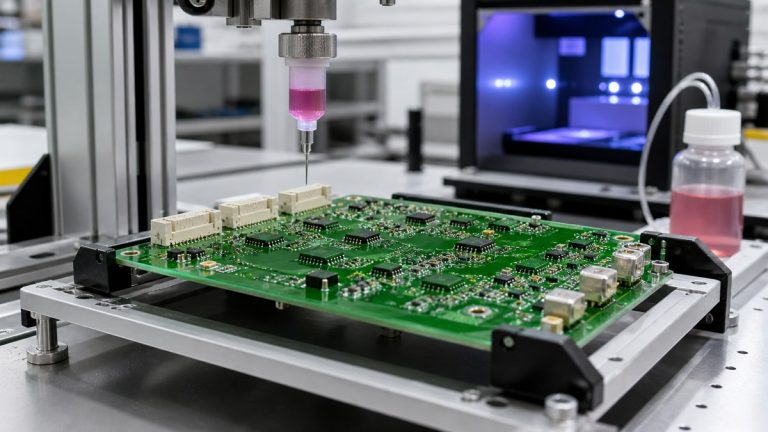
We inspect and test industrial PCBAs against the released product definition and keep available results connected to the production work order. Our route can combine SPI, AOI, X-ray, programming, electrical testing and customer-defined functional testing according to the assembly risk and field function.
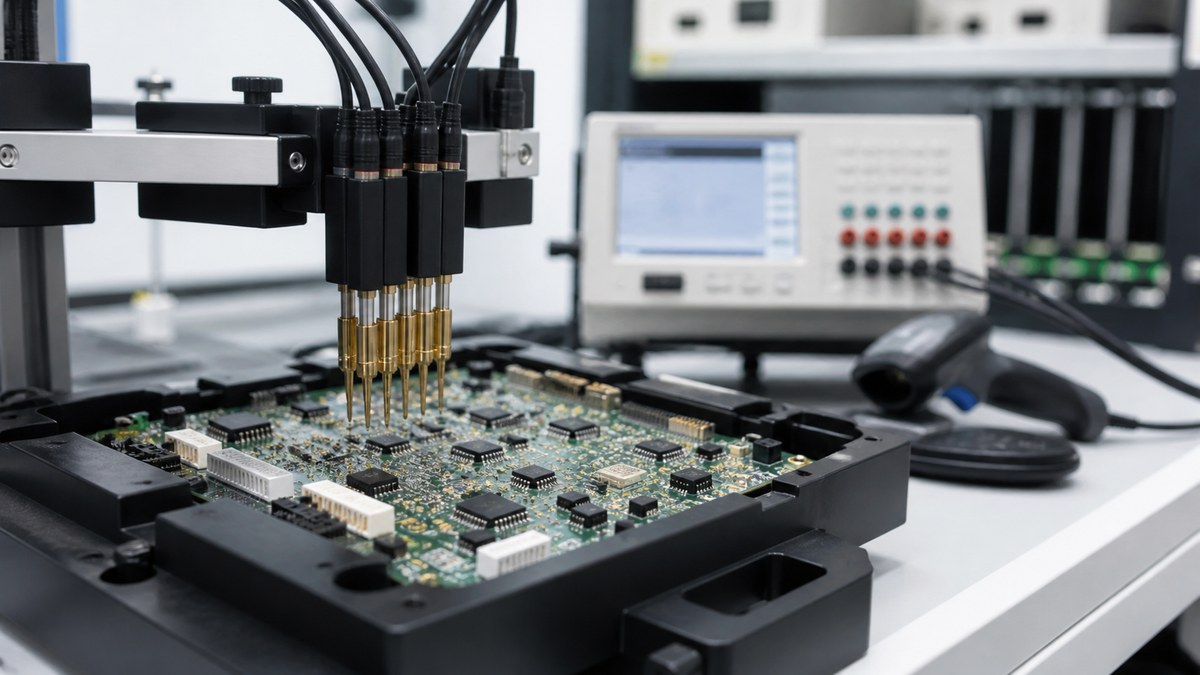
You receive an agreed evidence package that identifies what was checked, which method or program revision was used, the result, disposition and available traceability link. This supports repeat production, service investigation and focused containment when a later problem appears.
Test and Traceability Evidence Map
| Question | Our evidence | What it supports |
|---|---|---|
| Was the correct product tested? | Part, revision and work-order link | Configuration identity |
| Which process checks were completed? | Applicable SPI, AOI or X-ray status | Assembly inspection coverage |
| Which software was programmed? | Approved program or firmware revision record | Configuration control |
| Which functions were verified? | Released procedure, limits and result | Defined functional coverage |
| Which units may be affected? | Lot, work-order or serial-number link where included | Focused retrieval and containment |
We Release the Test Requirement With the Product
Our engineers reconcile the test procedure, fixture, cables, firmware, limits, expected outputs, golden sample and report format with the customer part and revision. Missing or conflicting information is returned before the route is confirmed.
A test used for one revision is not assumed to remain valid after hardware, component, firmware or interface changes.
Process Inspection Reduces the Burden on Final Test
SPI can identify applicable paste-printing conditions before placement. AOI checks visible components and solder conditions. X-ray provides selected evidence for hidden joints. These methods find manufacturing conditions that a functional test may not isolate.
We assign coverage and reaction rules according to product risk. Later test is not expected to detect every upstream process defect.
Programming Records Protect Firmware Identity
Where programming is included, we control the approved file, revision, checksum or other identifier required by the project. The programming route identifies the target device and result.
If firmware changes, the new release and any required retest or revalidation enter the controlled product package before production.
Functional Testing Uses Defined Conditions and Limits
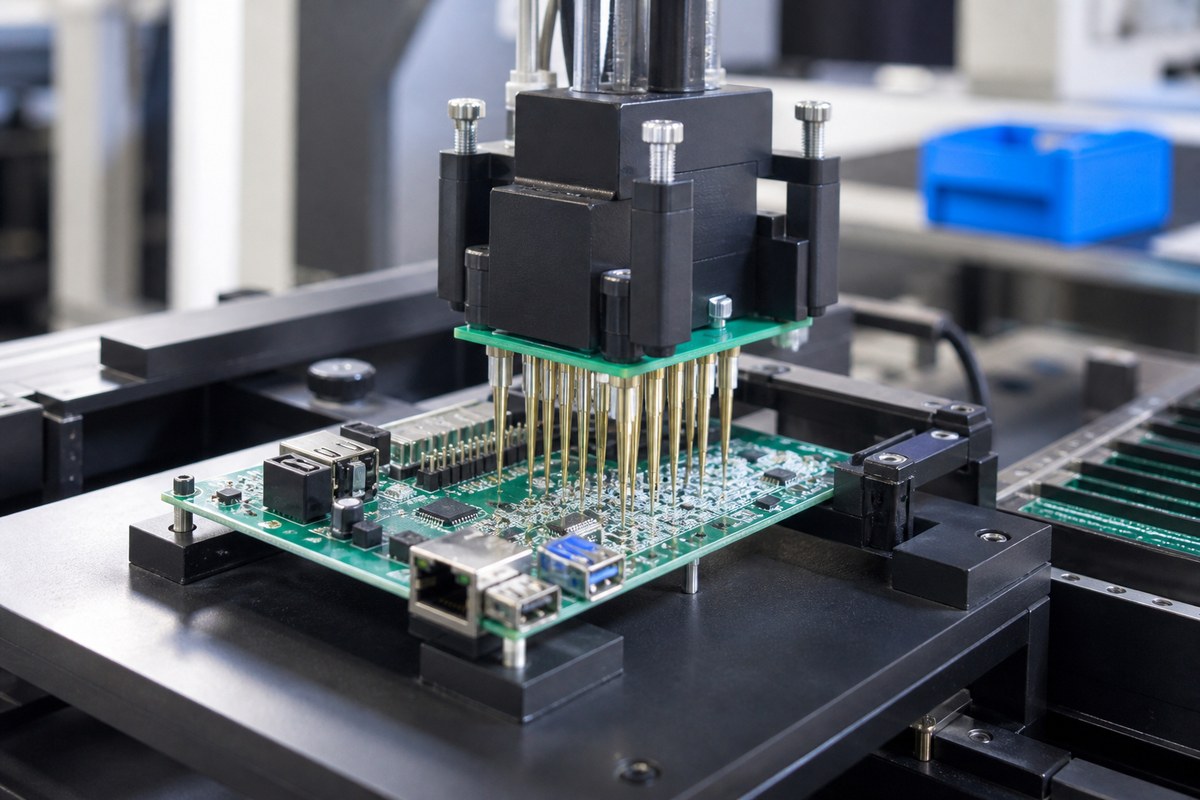
FCT can verify specified power, I/O, communication, sensing, control or interface behavior. We require the procedure, equipment or fixture, input conditions, expected outputs and acceptance limits.
The record states what was tested. It does not imply coverage of environmental endurance, system integration or every field mode unless those conditions are explicitly included.
Failures Follow a Visible Disposition Path
Failed units are contained and connected to diagnosis, approved repair or rework, verification and final status. We retain the relationship between the initial failure and final result where the agreed record supports it.
This gives your team more useful evidence than a final pass field that hides how the unit reached release.
MES-Related Records Connect the Production History
Our MES-related route can connect the released work order, identified material, recorded process steps and available quality results. Project-specific lot, UID, date-code or serial-number capture is defined before production.
The traceability map identifies the starting key, records available for retrieval and retention requirement. Your team can then understand how a field-return serial number or material concern would be investigated.
Repeat Orders Reuse an Approved Evidence Basis
Before repeat production, we compare the requested revision, BOM, firmware and test package with the approved baseline. Material, component, process or test changes receive the required review.
This prevents an old fixture program or report format from continuing after the product has changed.
Why Industrial Customers Use Our Evidence Route
We connect manufacturing inspection, software identity, electrical or functional results and traceability around the same released product. Your engineers can diagnose issues with known evidence, while procurement and quality teams can verify repeat-order control.
This is especially valuable for industrial products that remain installed and supported long after the original build.
Send Your Test and Traceability Requirements
Send your product files, BOM, CPL, assembly drawing, programming files, firmware identifiers, test procedure, fixture information, limits, golden sample, report format, serial-number rules and record-retention needs to sales@ebestpcba.com.
We will return the proposed coverage map, traceability route, required inputs and evidence available for the build.