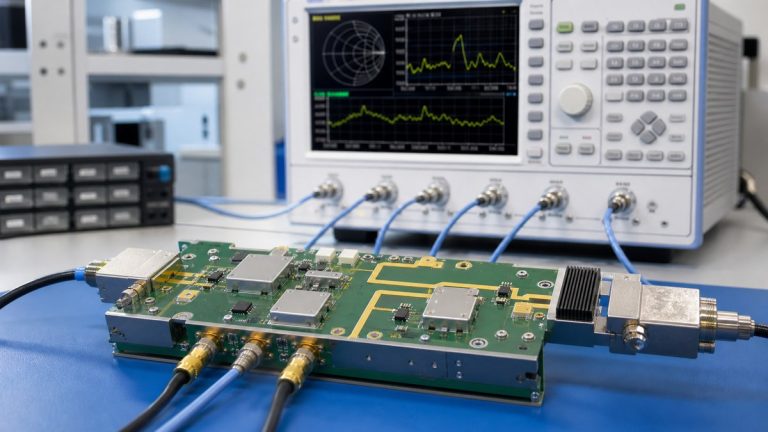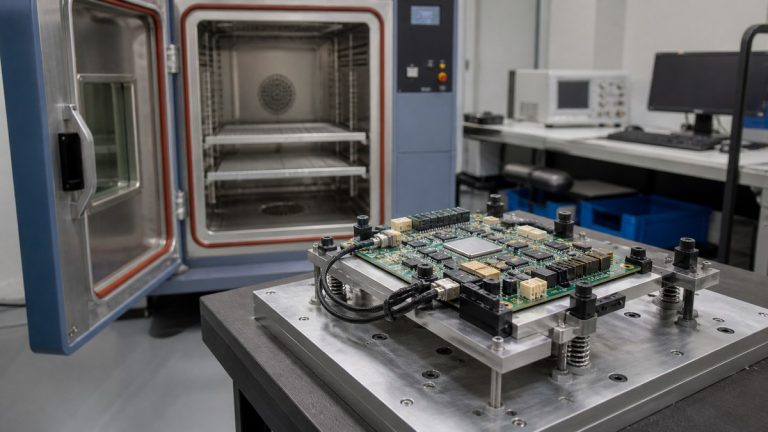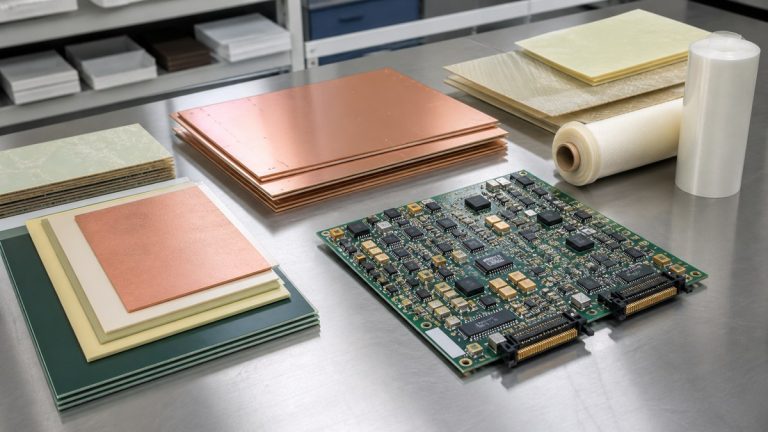
We use MES-related production records to connect the released work order, identified materials, recorded manufacturing steps and available quality results. For aerospace PCB and PCBA projects, we can define lot, UID, date-code and finished-product serial-number links according to the traceability depth your team requires.
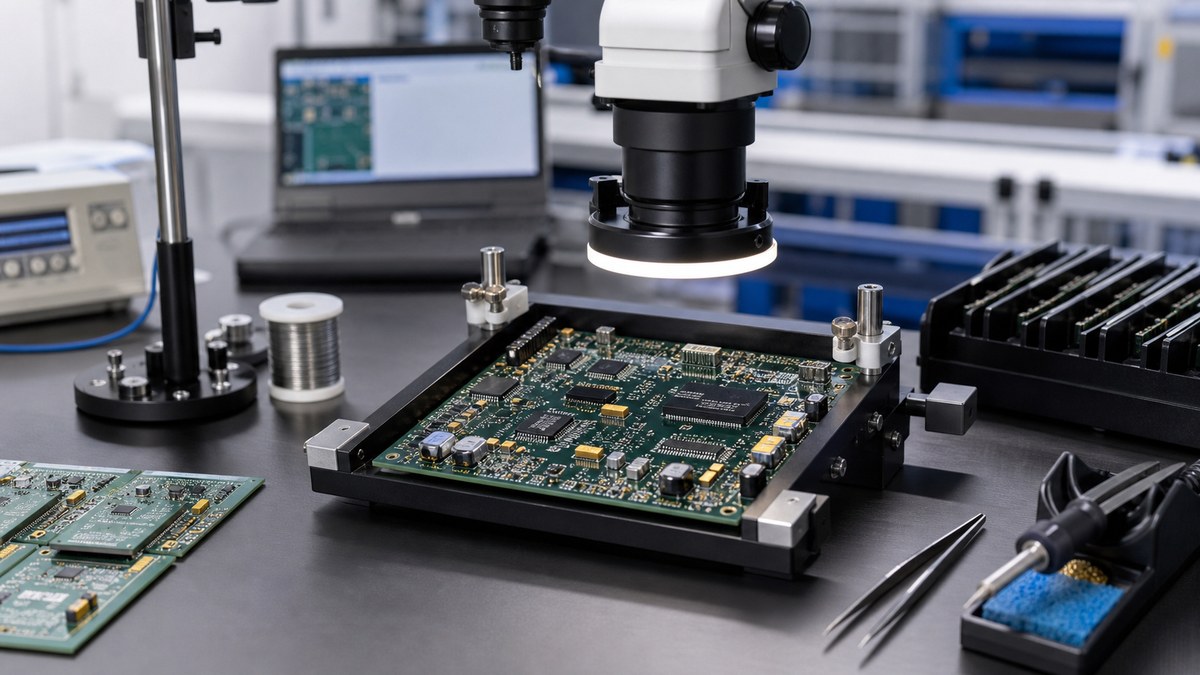
You receive a record plan before production and the agreed evidence after the build. This allows your quality team to answer practical questions: which revision was built, which identified material entered the order, which operations were completed, how the product was inspected and tested, and which units may be affected if a later issue is found.
What Our Traceability Records Can Show
| Your question | Our record or control | Result |
|---|---|---|
| Was the approved revision built? | Released product data linked to the work order | Configuration used for production is identifiable |
| Which material entered the order? | Agreed material, lot, date-code or UID capture | Recorded material identity can be retrieved |
| Were required steps completed? | MES route and recorded station status | Covered production operations remain visible |
| How was the PCBA inspected? | Applicable SPI, AOI or X-ray result | Agreed defect coverage is connected to the build |
| Did the product pass its test? | Approved test method or program, result and disposition | Specified test completion can be reviewed |
| Which products may be affected? | Work-order, material and product-SN relationship where included | Available identifiers support impact containment |
We Begin Traceability With the Approved Revision
Our engineers align the customer part number and revision with the released Gerber or ODB++ data, drill files, stack-up, fabrication drawing, BOM or AML, CPL, assembly drawing and test requirements. Conflicting files are returned for clarification before the work order is released.
This baseline matters because a serial number alone does not prove what was built. The useful connection starts with the approved product definition and follows it into the manufacturing order.
We Define Material and Component Identity Before Production
For PCB fabrication, the project may require laminate grade, supplier, material lot or another incoming identifier. For PCBA, it may also require manufacturer part number, source, lot code, date code, moisture-sensitive status or customer-supplied material identity.
We confirm the required identifiers and scan points during project preparation. When UID or lot capture is included, identified material is received and issued against the applicable work order. This supports forward or reverse review within the links actually established for the project.
Our MES Route Connects Production Operations
The MES route records covered manufacturing stations against the released work order. Available station status and quality information show which controlled steps were completed for the order.
If your program requires a specific paste measurement, reflow record, operator sign-off or process parameter, we identify whether it is captured, how it is linked and whether it is supplied or retained. Your record requirement therefore becomes a measurable production control rather than a request made after shipment.
Inspection Records Match the Assembly Risk
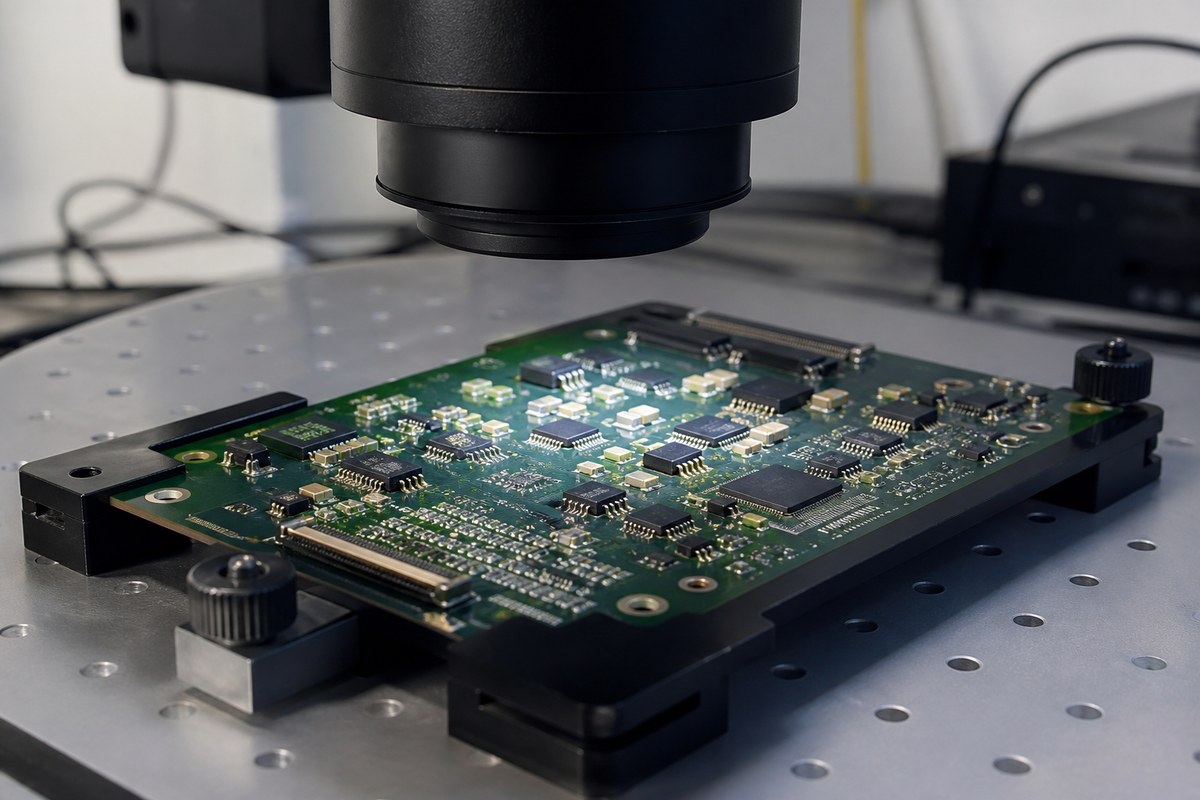
We use SPI for applicable solder-paste conditions, AOI for visible placement and solder-joint conditions, and X-ray for selected hidden interconnects. The package mix and defect risk determine the coverage.
The approved plan defines the method, acceptance criteria, sampling where relevant, reaction and report output. Where the route supports images, measurements or location data, we can include the agreed information in the evidence package. A machine list never replaces the result tied to your product.
Test Records Remain Tied to the Product
Bare-board electrical test, flying probe, ICT, programming and FCT address different risks. We review the netlist, access, fixture, procedure, firmware, limits, golden sample and required report before confirming the scope.
The record identifies the product or lot, method or program revision, result and disposition. If measured values or failure details are required, we define them before the build so the delivered evidence answers your quality question.
Product Serial Numbers Enable Focused Retrieval
When finished-product serialization is included, the serial number can be linked to the work order and agreed production records. Reverse review can start from a unit and retrieve its available history. Forward review can start from an identified material or lot and locate the related production range where the necessary links exist.
We define serial format, marking, duplicate prevention and rework handling before production. This prevents gaps that cannot be repaired after labels and records have already been created.
Nonconformance and Rework Stay in the History
When a requirement is not met, we identify and contain the affected product. Available work-order, lot, UID or serial-number links help define the impact. The record follows the issue through disposition, approved correction or rework, verification and release.
Customer approval is obtained where required. We preserve this history so a repaired unit does not return to the normal route without visible evidence of what happened and how it was rechecked.
We Close the Record Path at Shipment
The release package can include the CoC and agreed inspection, test, material or traceability documents. We check that required operations and dispositions are closed before shipment release.
Your team knows which records arrive with the product, which remain available for retrieval and how long the agreed records are retained. This closes the path from approved design to delivered hardware.
Why Aerospace Customers Use Our Traceability Process
We do not describe every order as equally traceable. We define the identifiers, links, records and retention that your program needs, then place those requirements into the production route.
You can see what was built, what material was recorded, which inspections and tests were completed and how an issue would be contained. That evidence supports supplier confidence, repeat production and later quality investigation.
Send Your Required Traceability Depth
Send your Gerber or ODB++ data, BOM, CPL, assembly drawing, customer part and revision scheme, material and component identifiers, serialization rules, inspection plan, test specification, report format and retention requirement to sales@ebestpcba.com.
We will return the proposed traceability map, available record package, system links that can be confirmed and any requirement that must be resolved before production.