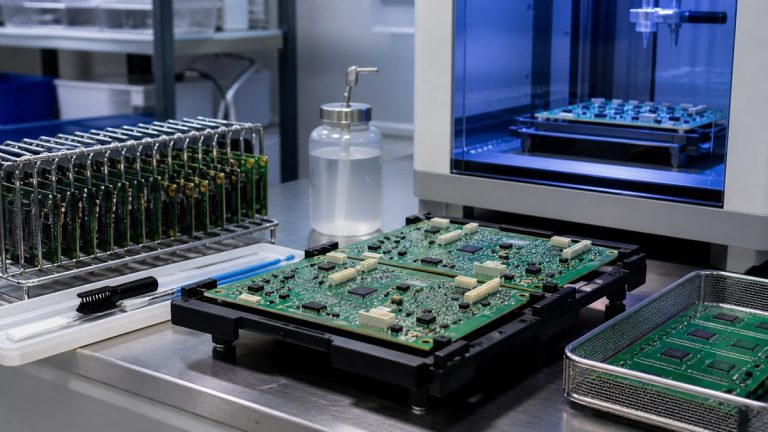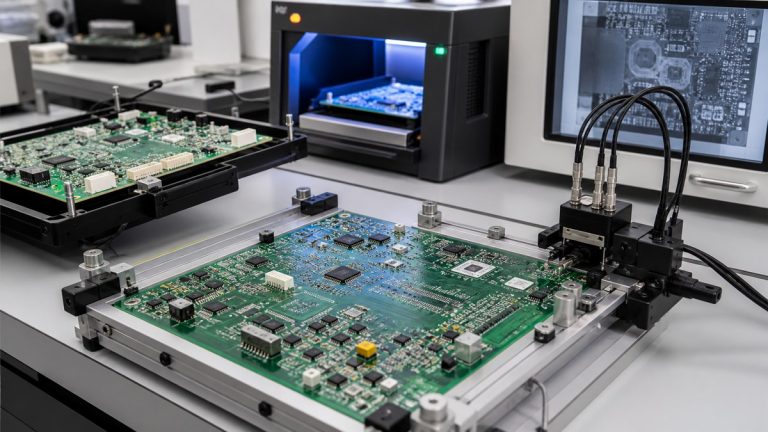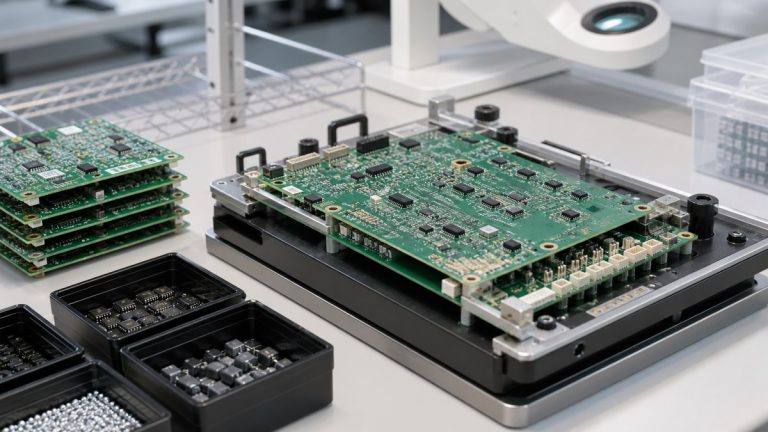
We hold ISO 13485 and ISO 9001 quality management system certifications. We use controlled engineering release, material and component management, production planning, inspection, testing and traceability to move medical PCB and PCBA prototypes into repeat manufacturing.
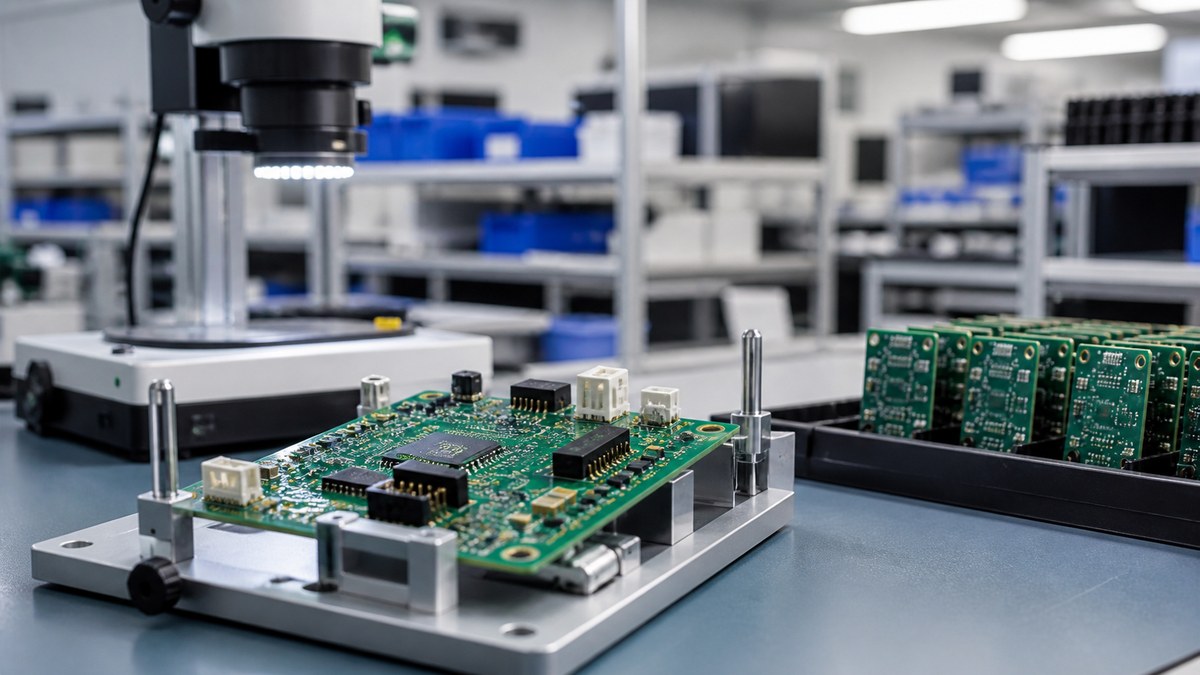
You receive a production-readiness review that identifies the approved product definition, closes prototype exceptions and defines the records required for the build. This gives your quality and engineering teams manufacturing evidence while preserving the medical-device manufacturer’s responsibility for product design, risk management and final device validation.
Medical Production-Readiness Evidence
| Decision | Our control | Evidence |
|---|---|---|
| Approved configuration | Release one PCB, BOM, assembly, software and test package | Revision and work-order link |
| Authorized materials | Control manufacturer parts, sources and substitutions | BOM and available identity records |
| Repeatable route | Convert prototype findings into instructions and checkpoints | First-article and production records |
| Quality coverage | Assign inspection and test to assembly risks | Applicable inspection and test results |
| Traceability | Define lot, UID or serial links and retention | Agreed history and shipment records |
We Provide ISO 13485 Quality-System Evidence
We can provide the applicable ISO 13485 and ISO 9001 certificate documents for supplier qualification. These certifications support the quality-management processes used for relevant activities within their stated scope.
We then connect that system to the actual product through controlled files, work orders, materials, inspections, tests, nonconformance records and release evidence.
We Release One Complete Product Package
Our engineers reconcile Gerber or ODB++, drill data, stack-up, fabrication drawing, BOM or AML, CPL, assembly drawing, programming files and test requirements. Customer part number, revision and acceptance criteria must agree.
Conflicting inputs become documented engineering questions. Approved answers remain with the released package and production order.
Prototype Exceptions Become Approved Controls
Prototype builds may include hand rework, engineering samples, temporary parts, manual calibration or informal test steps. We review each relevant exception and convert it into a design update, authorized deviation, work instruction, fixture, inspection or test requirement.
Open decisions remain visible until closure, preventing temporary prototype practices from entering routine production without approval.
Our BOM Review Protects Component Identity
We check manufacturer part numbers, approved manufacturers, source restrictions, lifecycle, availability and substitution rules before procurement. Proposed alternatives are reviewed for product and manufacturing effects and require the agreed authorization.
Where required, material, lot, date-code, UID or source records are defined before purchasing so the intended traceability can be built into the order.
The Pilot Build Uses the Intended Production Route
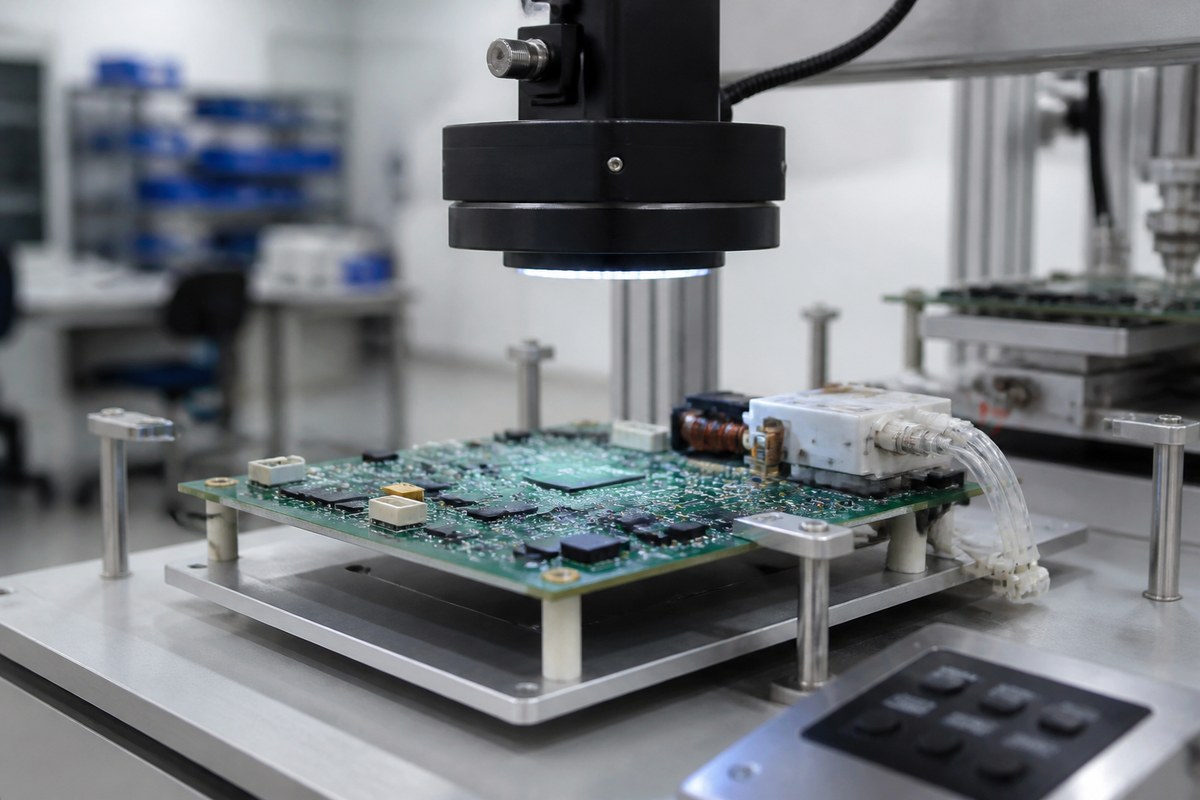
We use planned tooling, process sequence, inspection and test methods for the pilot. First-article verification checks setup, part identity, polarity, placement and applicable manufacturing conditions before normal production continues.
Any change arising from the pilot enters a new approved baseline. It does not remain as undocumented operator knowledge.
Inspection and Test Evidence Follow Product Risk
We use applicable SPI, AOI and X-ray for paste, visible and hidden-joint risks. Electrical and functional tests use the customer-approved procedure, firmware, fixture and limits.
Records identify the product, method or program revision, result and disposition. Manufacturing test does not replace final medical-device verification unless the defined scope explicitly includes that requirement.
Traceability Supports Repeat Orders and Investigation
MES-related records can connect the released work order, identified material, process stations and available quality information. Project-specific lot, UID, date-code or finished-product serial-number links are defined before production.
Your team can understand which records are supplied, retained and retrievable, and how a component or quality concern would be contained.
Why Medical Customers Use Our Controlled Handoff
We combine an ISO 13485 quality-system foundation with project-level manufacturing evidence. Your team can review what we released, which parts were authorized, how the assembly was inspected and tested, and what history remains available.
This reduces uncertainty when a prototype moves into repeated manufacturing and later controlled changes.
Send Your Medical PCBA for Production Review
Send your product files, BOM, CPL, assembly drawing, prototype issue list, quantities, applicable workmanship and quality requirements, programming files, test procedure, traceability depth and record-retention needs to sales@ebestpcba.com.
We will return the open manufacturing decisions, proposed route, available evidence and items requiring customer approval.