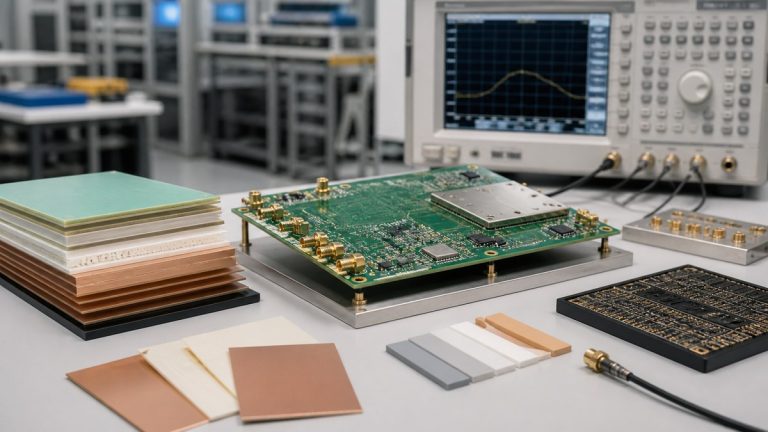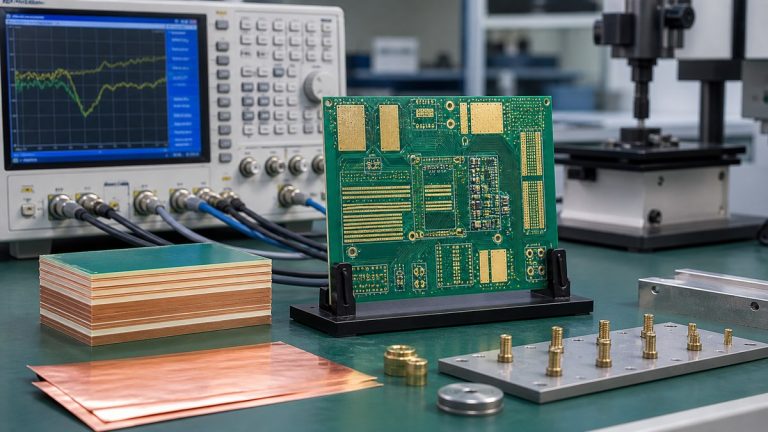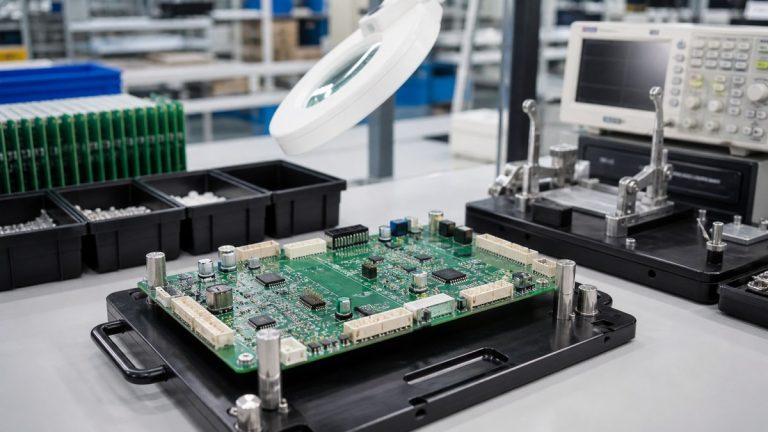
An accurate PCB or PCBA quotation needs product files, construction, quantity, sourcing scope, inspection, testing and required evidence. If these inputs are missing, price and lead time depend on assumptions that may change after engineering review.
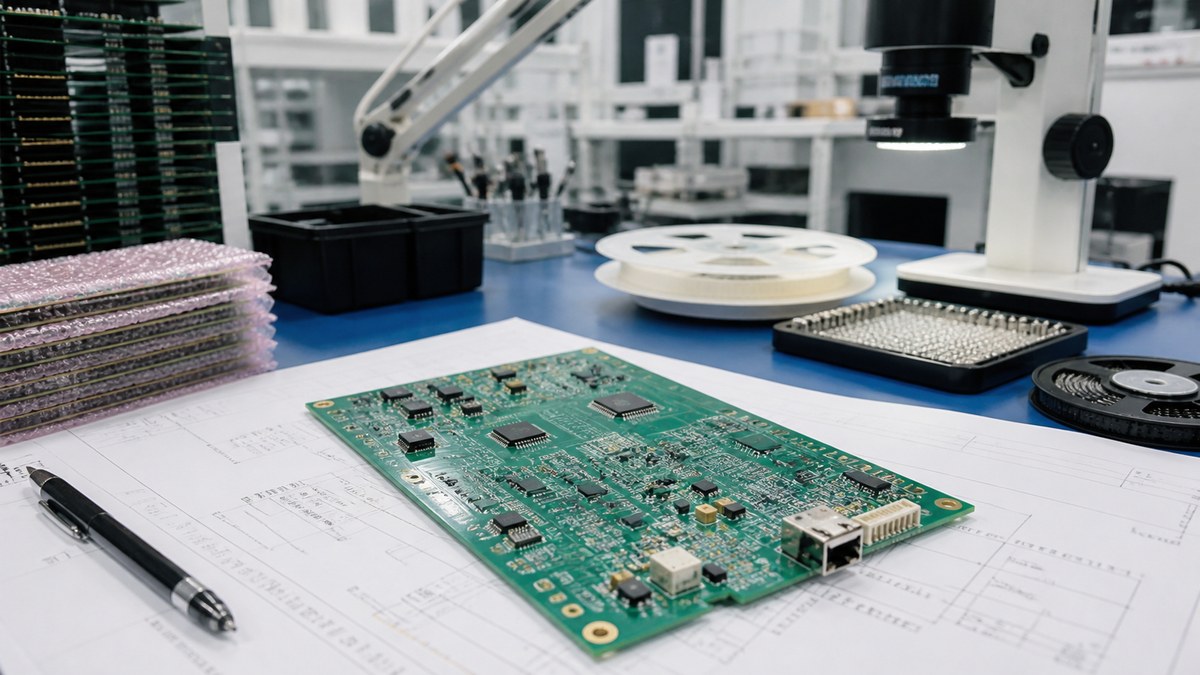
We review the RFQ as a manufacturing handoff. You receive a list of missing decisions, DFM questions, quotation assumptions and the proposed build route before production.
PCB and PCBA RFQ Checklist
| File or input | What it defines | Common problem |
|---|---|---|
| Gerber or ODB++ and drill files | PCB image, holes and outline | Mixed revision or missing drill data |
| Stack-up and fabrication drawing | Material, copper, thickness, finish and tolerances | Generic or conflicting construction |
| BOM | Part identity, quantity and sourcing authority | Missing manufacturer part numbers |
| CPL and assembly drawing | Placement, side, rotation and polarity | Coordinates and drawing disagree |
| Mechanical data | Connectors, holes, height and enclosure interfaces | Fit requirement not visible in PCB data |
| Test package | Procedure, firmware, fixtures, limits and report | “Functional test required” without definition |
State the Product and Sourcing Scope
Tell us whether you need bare PCB, consigned PCBA, partial sourcing or turnkey assembly. Include prototype and production quantities, forecast, target schedule and shipment destination where relevant.
This determines material responsibility, purchasing, tooling, test and traceability planning.
Provide PCB Image and Drill Data as One Revision
Gerber or ODB++ should include all copper, mask, legend and mechanical layers, with complete plated and non-plated drill information. Identify the customer part and revision consistently.
We compare the file set and return conflicts before CAM preparation.
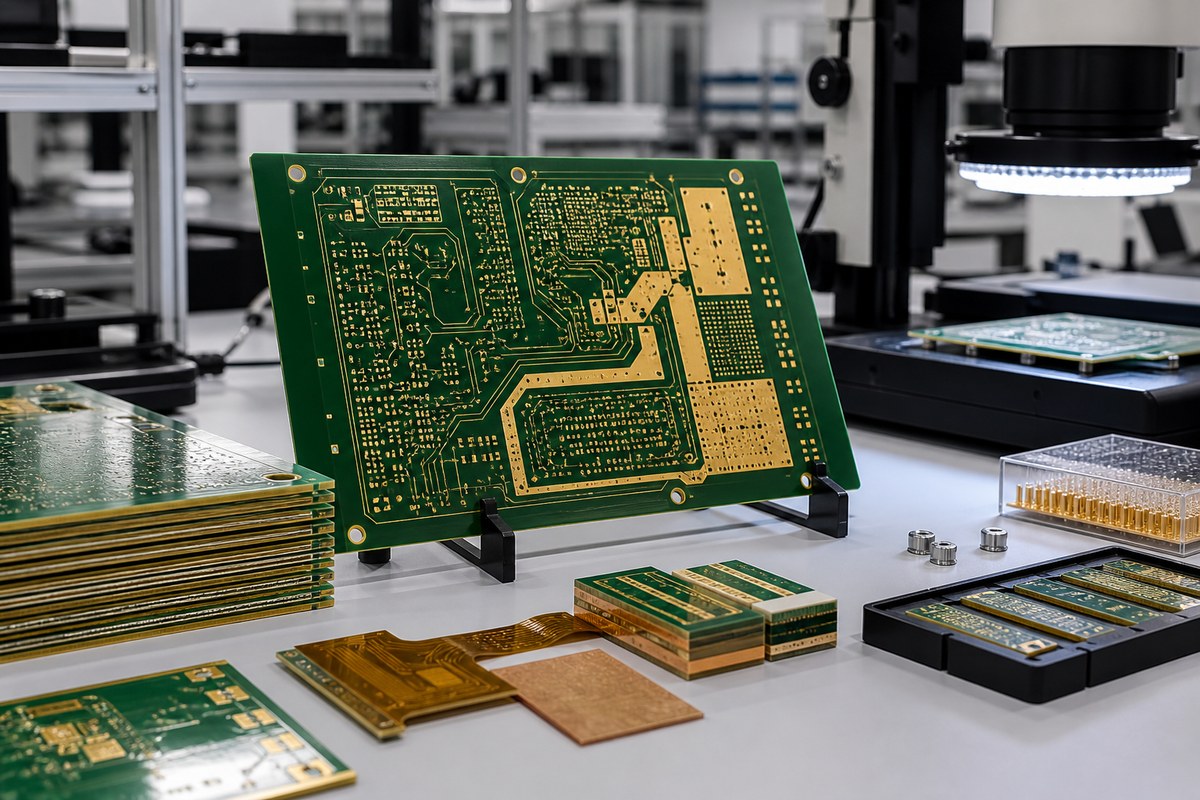
Use the Fabrication Drawing to Define Construction
Include stack-up, material, finished thickness, layer copper, impedance, surface finish, solder mask, routing, dimensions, tolerances and special processes. Do not rely on “standard” when the design has a real requirement.
We return a buildable proposal when the requested construction needs adjustment.
Make the BOM a Purchasing Authority
Provide reference, quantity, manufacturer, complete part number, description, package, approved manufacturers and substitution rule. Mark do-not-fit and customer-supplied items clearly.
Our BOM review identifies identity, lifecycle, availability and source risks before purchasing.
Placement and Assembly Files Must Agree
CPL data should define reference, X/Y, rotation, side and a clear origin. The assembly drawing should show polarity, orientation, special mounting, hardware and process notes.
We resolve conflicts before placement programs and work instructions are released.
Mechanical Data Prevent Fit Surprises
Provide board outline, mounting, connector, height, enclosure, heat-sink and other interface information. A 3D file can reveal conflicts that electrical files do not show.
Critical dimensions and assembly sequence can then enter the manufacturing plan.
Define Inspection, Test and Evidence Early
Specify workmanship, SPI/AOI/X-ray needs, electrical or functional test, programming, fixtures, firmware, limits, sampling, traceability and report format. These requirements affect process, tooling, cost and lead time.
We return a coverage and evidence proposal instead of assuming every order needs the same records.
Make Quotation Assumptions Visible
When information remains unavailable, the quotation should state the assumption. We separate confirmed requirements from conditions that can change after engineering review.
This gives both teams a clear basis for updating price, schedule or route when the final files arrive.
What We Return Before Release
- missing-file and conflict list;
- PCB and assembly DFM questions;
- BOM and sourcing risks;
- quotation assumptions;
- proposed inspection, test and evidence route;
- customer approvals required before production.
Send Your RFQ Package
Send the complete product, fabrication, BOM, placement, assembly, mechanical, programming, test, quantity, quality and traceability information to sales@ebestpcba.com.
We will review the package and return the questions needed for an accurate quotation and controlled build.
What You Receive From Our RFQ Review
We identify missing information, record quotation assumptions and separate confirmed scope from options that still need your decision. When the order proceeds, those answers become the basis of the released manufacturing package. This continuity helps your purchasing team compare quotations and helps your engineers avoid reopening the same file and construction questions after production has started.