PCB DESIGN & DFM
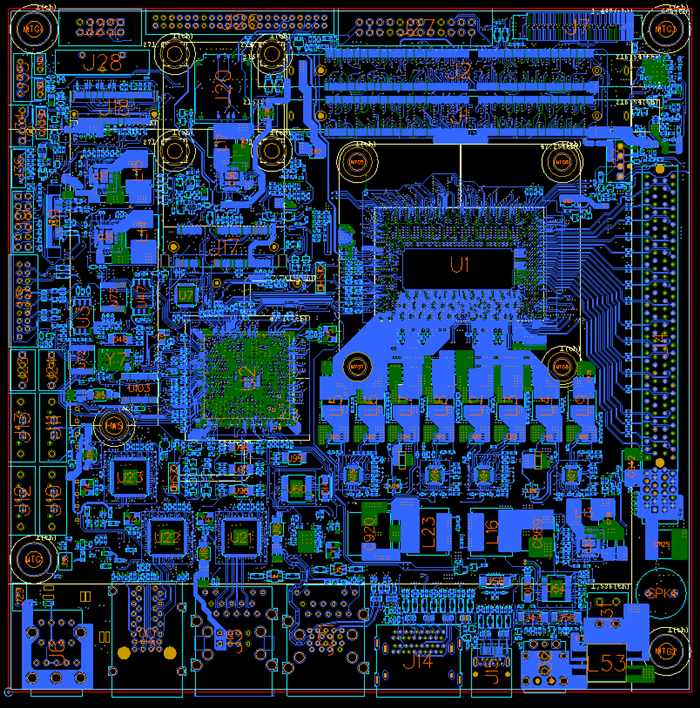
Industrial Control PCB Layout & DFM
Review stack-up, power, signal, isolation, thermal, and test requirements before release.
Review industrial PCB layout →Send the released files, BOM, operating environment, lifecycle, programming and test requirements. We will identify missing inputs and define the PCB, sourcing, assembly and release-record scope before quotation.
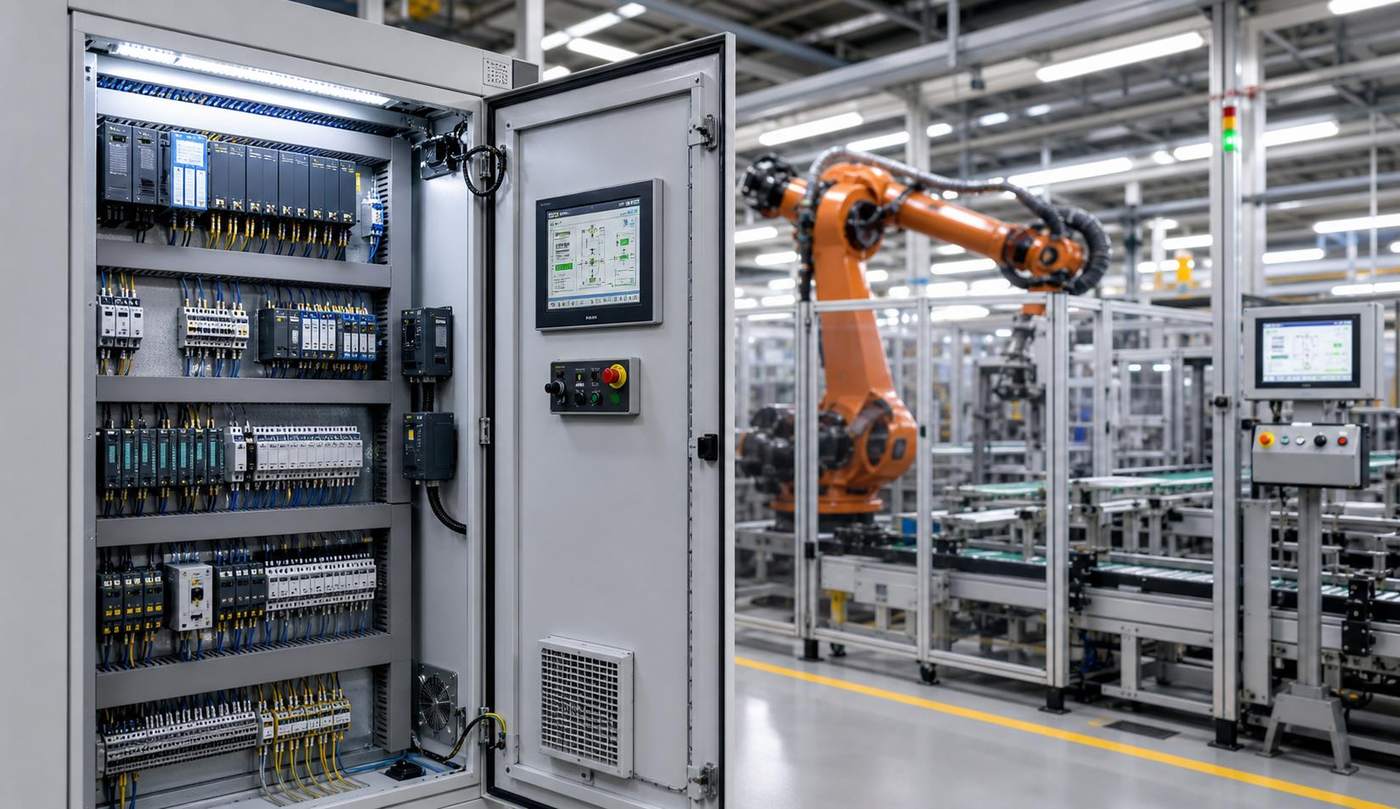 Industrial Control Application
Connect PLC and drive PCB layout, industrial-control PCB prototyping, repeatable fabrication, long-lifecycle sourcing, PCBA assembly, programming and functional testing.
Review stack-up, power, signal, isolation, thermal, and test requirements before release.
Review industrial PCB layout →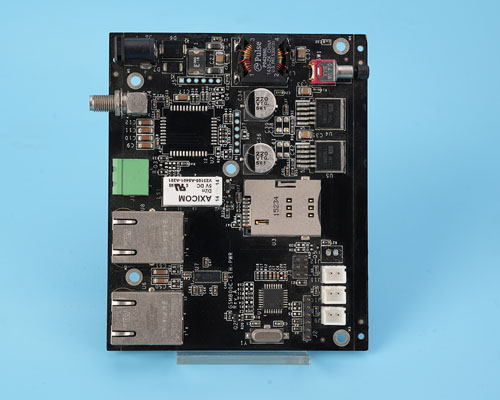
Validate board construction, interfaces, assembly, programming, inspection, and functional test.
Review industrial PCB prototypes →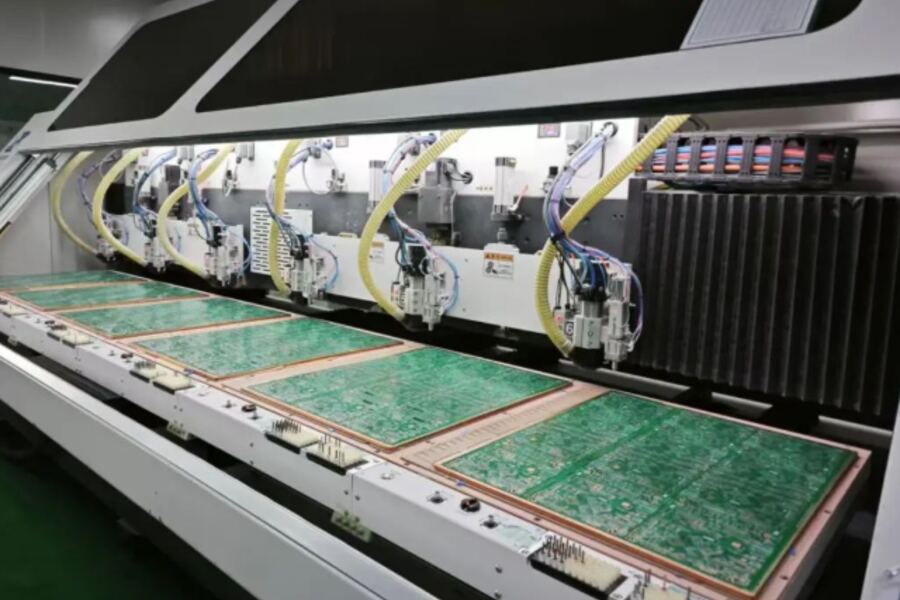
Keep materials, stack-up, copper, finish, inspection, and approved changes consistent through production.
Review industrial PCB production →
Combine component sourcing, SMT/THT assembly, inspection, programming, and functional testing in one project.
Review industrial PCBA assembly →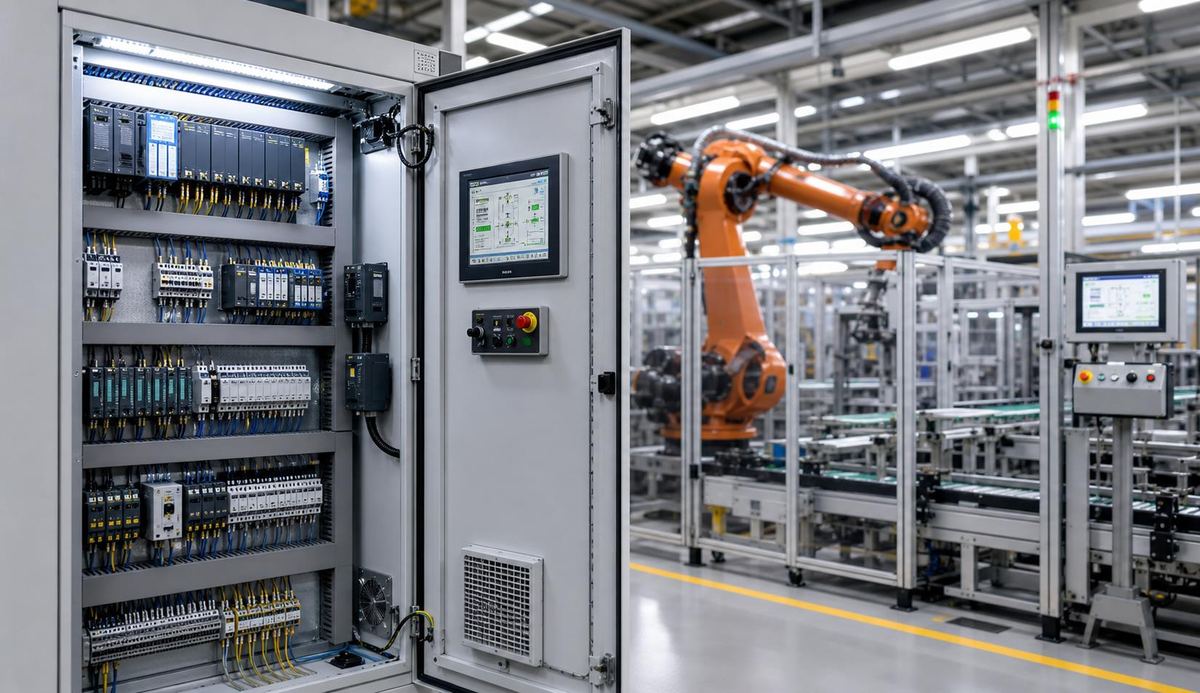
Reliable industrial control electronics depend on more than an “industrial-grade” label. Power, EMC, operating environment, component lifecycle, mechanical fit, and test requirements should be clearly defined before quotation and production.
Confirm current load, creepage and clearance, isolation requirements, copper capacity, and thermal limits.
Define interface requirements, grounding, shielding, controlled impedance, and applicable EMC or ESD constraints.
Confirm temperature, humidity, dust, vibration, shock, and any coating or protection requirements.
Review component availability, lifecycle status, approved alternatives, and substitution rules for long-term production.
Confirm board dimensions, mounting points, connector locations, terminal access, and enclosure constraints.
Define inspection coverage, electrical or functional testing, acceptance criteria, and required production records.
Different control systems have different power, interface, thermal, mechanical and service-life requirements. Send the application and design files so the appropriate PCB and PCBA engineers can review them.
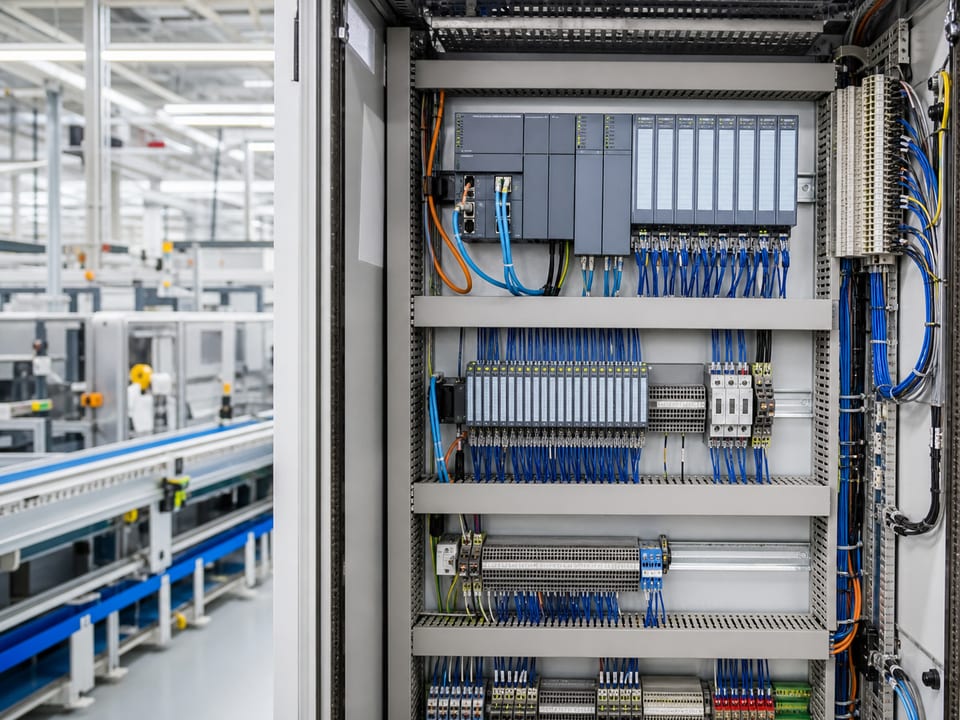
Control processors, remote I/O, industrial networking and field interfaces with reliable signal conditioning and service access.
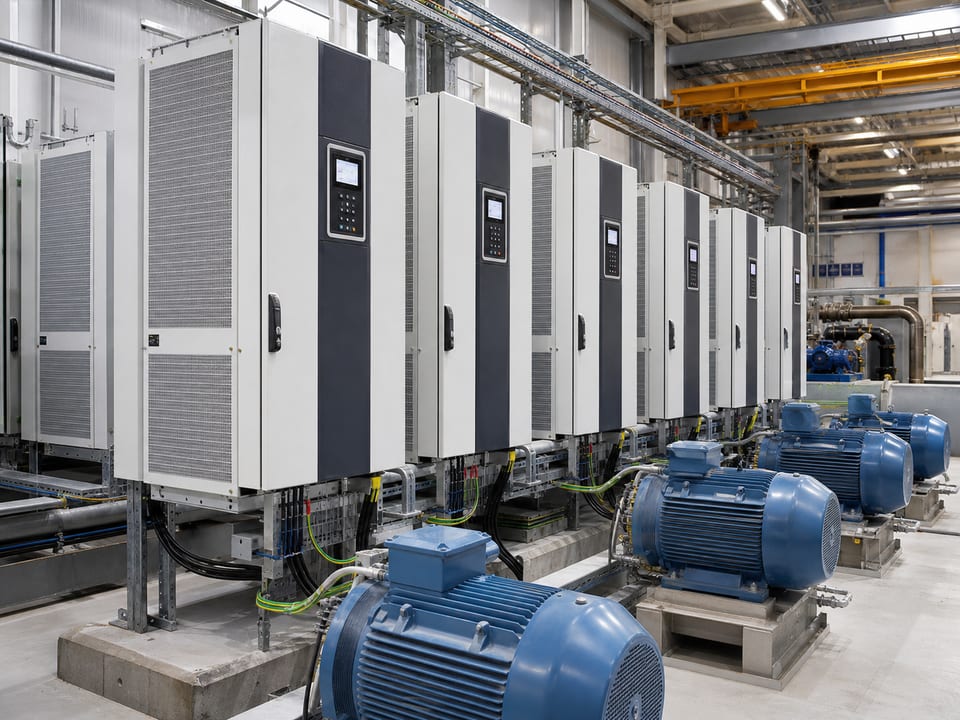
Power-stage, gate-drive, feedback and control electronics reviewed for current, heat, isolation and vibration constraints.
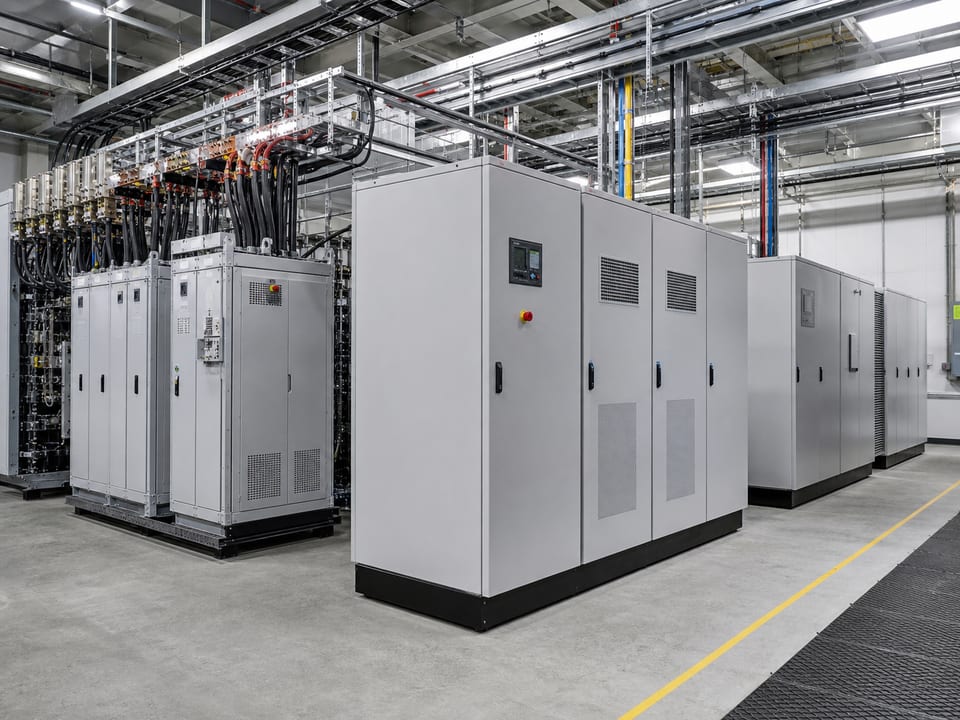
AC/DC, DC/DC, UPS and power-distribution controls that require defined copper, dielectric, thermal and protection routes.
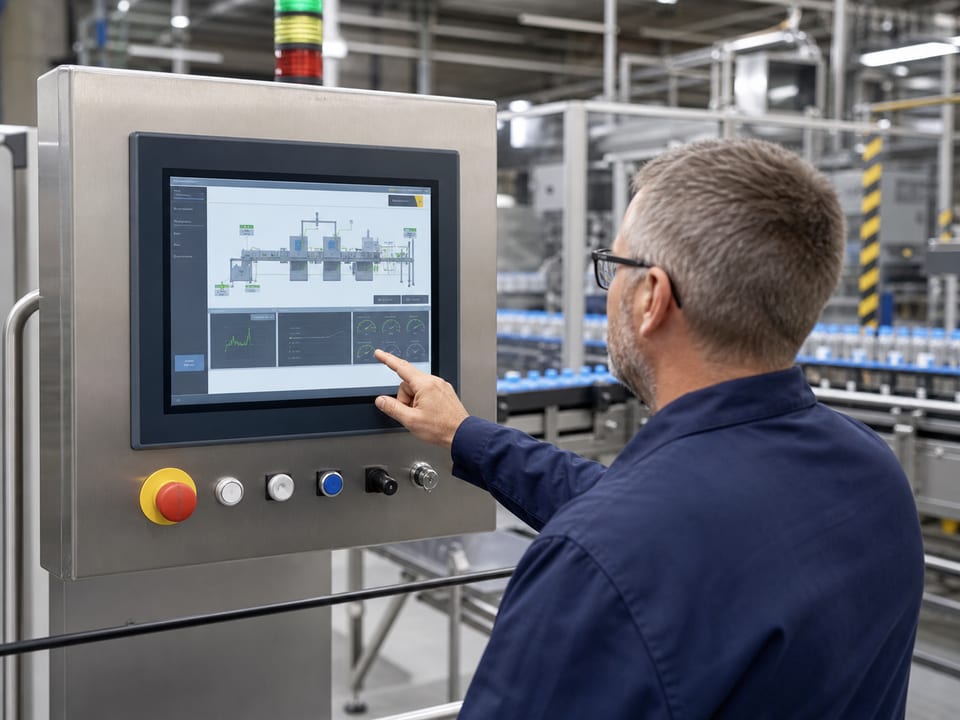
Display, touch, communication and control interfaces aligned with enclosure, cable, connector and field-service requirements.

Data acquisition, precision analog, edge communication and rugged field I/O for measurement and monitoring equipment.

Servo, encoder, safety, communications and machine-control assemblies for repeatable automated motion.
Routine screening references are separated from special or evaluation-required combinations so a broad capability statement is not mistaken for project approval.
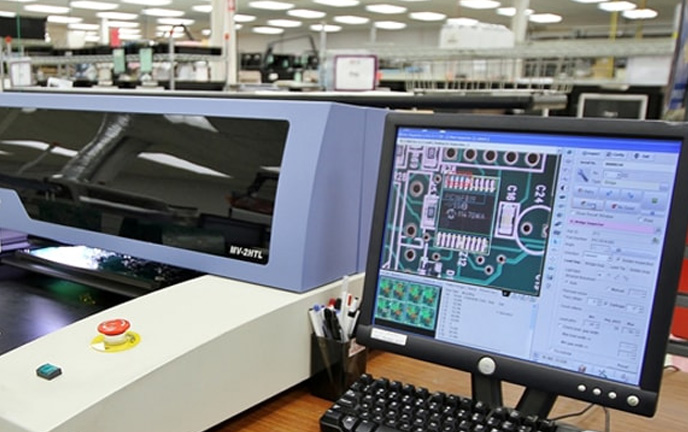
EBest PCBA checks the released files against PCB construction, component risk, assembly, protection, inspection and record requirements before price and schedule are committed.
| Capability area | Standard screening route | File review required |
|---|---|---|
| PCB construction | FR4 and high-Tg builds, approved layer count, copper, thickness, drill, finish and panel requirements. | Long-format boards, heavy copper, controlled impedance, HDI, rigid-flex or non-standard material combinations. |
| Component supply | Approved manufacturer, lifecycle status, traceable source and customer-authorized alternates. | NRND/EOL, allocated, restricted, long-lead or customer-specific parts and substitution rules. |
| Assembly process | SMT, through-hole and mixed-technology assembly with released workmanship and handling requirements. | Large or fine-pitch packages, selective soldering, special thermal profiles, press-fit or coating-sensitive parts. |
| Environmental protection | Cleanliness, handling, coating, masking and packaging requirements defined in the build documentation. | High humidity, salt fog, chemical exposure, wide temperature range, vibration or special enclosure conditions. |
| Inspection & testing | Visual inspection and project-defined AOI, X-ray, electrical, programming or functional-test coverage. | Custom fixtures, boundary scan, in-circuit test, burn-in, special acceptance limits or customer-provided procedures. |
| Release & traceability | Approved revision, material and process records linked to the production lot and delivery package. | Extended record retention, serialized units, customer data packs, special change control or regulatory records. |
Each stage confirms the files, engineering requirements, production details, and acceptance criteria needed before the project moves forward.
Confirm Gerber/ODB++ files, BOM, drawings, quantities, test requirements, and acceptance criteria.
Review stack-up, materials, impedance, DFM issues, assembly requirements, and open engineering risks.
Build and verify prototype or pilot units to confirm assembly, inspection, and test readiness.
Manufacture and assemble against approved files, BOM revisions, materials, and process requirements.
Complete required inspection, electrical or functional testing, and provide the specified traceability and production records.
Compare practical PCB and PCBA manufacturing routes for industrial control products. Final construction and testing follow your released files and acceptance requirements.
IND01 / PROJECT REQUIREMENTS
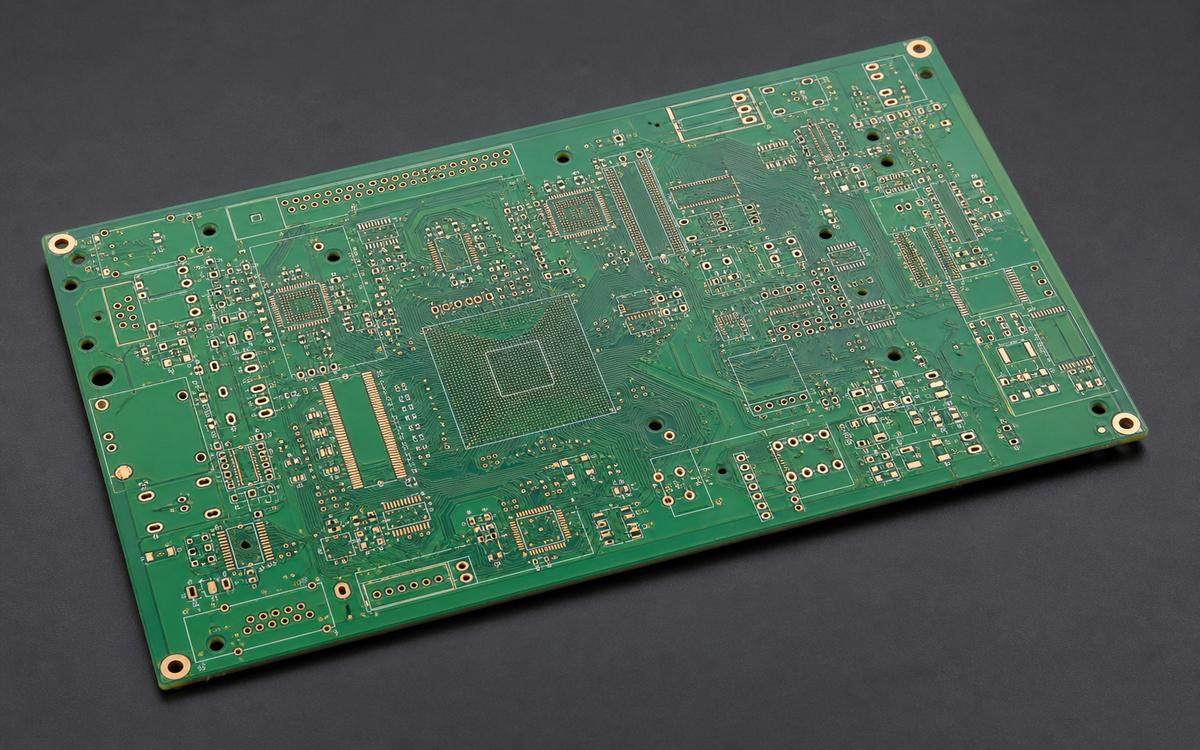
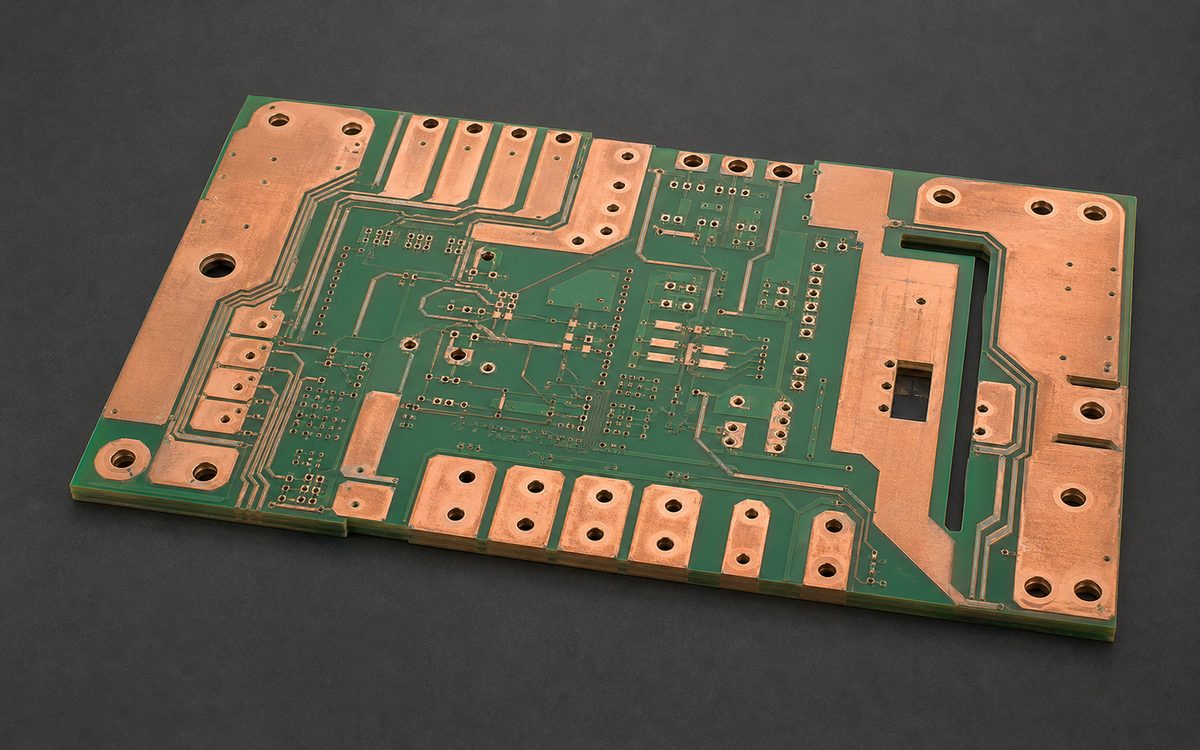
For this PCBA order, the customer approved M6R5775(G) in place of the drawing's RO4350 material. The PCB required resin-filled, plated-flat vias for assembly; bare boards could be supplied individually or in panels.
IND02 / PROJECT REQUIREMENTS
The PCB requirements for this four-layer PCBA project specified Tg 150 FR-4, ENIG and resin-filled vias plated flat. The manufacturer could arrange the panel layout, with production data requiring customer approval before manufacture.

IND03 / PROJECT REQUIREMENTS
This PCBA project's bare-board requirements combined 6 oz copper with a specified dielectric thickness. The customer prohibited added copper fill in unused circuit-layer areas and required production-data approval before manufacture.
You do not need every answer before contacting EBest PCBA. Send what is available and flag open questions; engineering will identify missing inputs before the quotation is released.
Explore practical engineering guidance for industrial-control PCB design, thermal management, component lifecycle planning, environmental protection and production release.
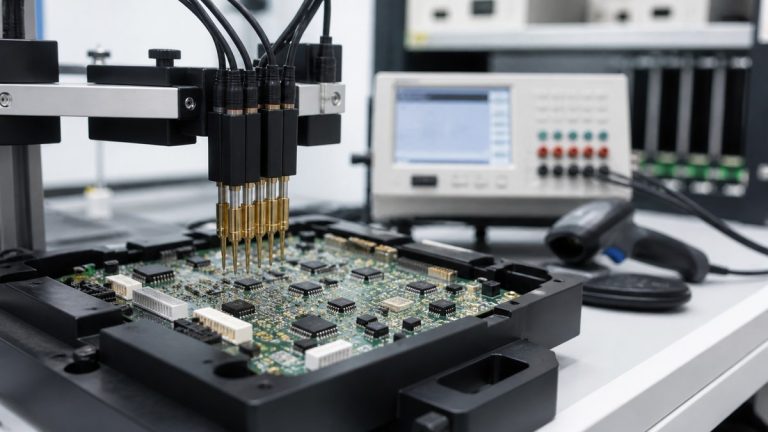
See how we connect industrial PCBA inspection, programming, functional tests and MES-related traceability to the released product.
Read article →You do not need a complete production package to get started. Send the files and requirements already available, and EBest PCBA will identify missing information, open engineering questions, and items that may affect cost, lead time, or production before the quote is finalized.