
Skip to content
High-reliability electronics manufacturing

Aerospace PCB & PCBA Manufacturing

EBest PCBA supports aerospace and avionics electronics from PCB fabrication and component sourcing to assembly, inspection, testing, and traceability. Production is controlled against approved files, BOM requirements, and project-specific quality criteria.

AS9100Dgroup certification
IPC Class 3assembly route
15 yearstraceability record
Within 24 hDFM review target
Aerospace avionics applications Aerospace Electronics Application
Aerospace electronics manufacturing requirements reviewed before production.
One controlled aerospace-electronics route

From Avionics PCB Prototyping to Traceable Aerospace PCBA

Connect avionics PCB layout, aerospace PCB prototyping, controlled fabrication, approved sourcing, assembly, inspection and release evidence against one project baseline.

EBest PCBA engineers reviewing an avionics control PCB layout and physical assembly
01 / AVIONICS ENGINEERING

Aerospace PCB DFM & Engineering Review

Review Gerber files, stack-up, materials, impedance, tolerances, and assembly requirements before production.

Review avionics PCB layout  →
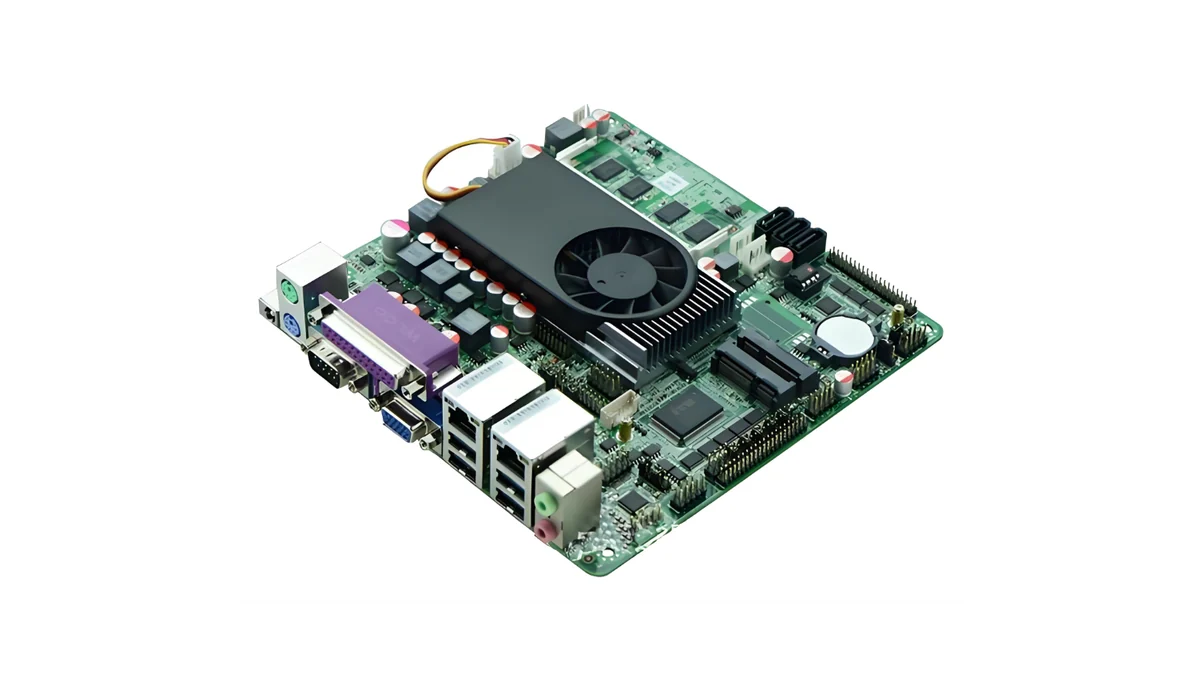
Controller PCBA with processor, cooling fan and multiple system interfaces for prototype review
02 / AEROSPACE PCB PROTOTYPING

Aerospace PCB Prototyping & NPI

Build prototypes and pilot lots to verify PCB construction, assembly readiness, inspection requirements, and production documentation.

Review aerospace PCB prototypes  →

Controlled trays of avionics PCB assemblies handled at a production checkpoint
03 / CONTROLLED PRODUCTION

Aerospace PCB Manufacturing

Manufacture aerospace PCBs with approved materials, controlled revisions, defined process requirements, and production traceability.

Review aerospace PCB production  →
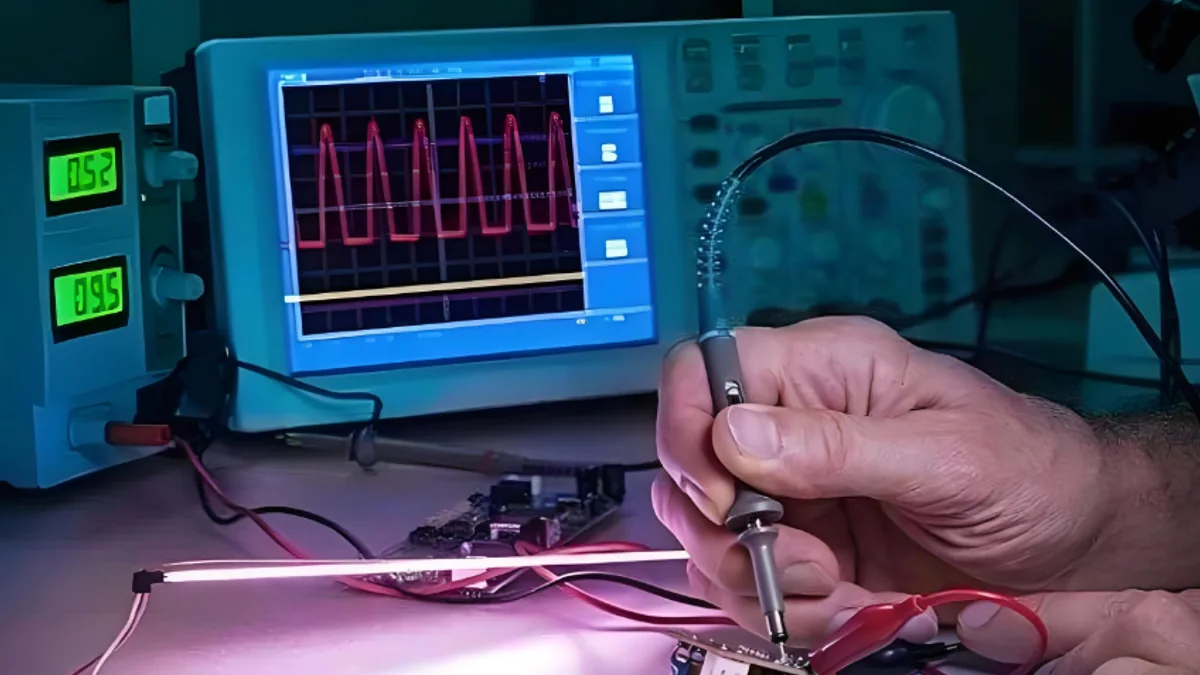
Aerospace electronics PCBA signal test performed with an oscilloscope probe
04 / TRACEABLE RELEASE

Aerospace PCBA Assembly & Testing

Support SMT/THT assembly, SPI, AOI, X-Ray, electrical testing, and functional testing according to project requirements.

Review aerospace PCBA  →
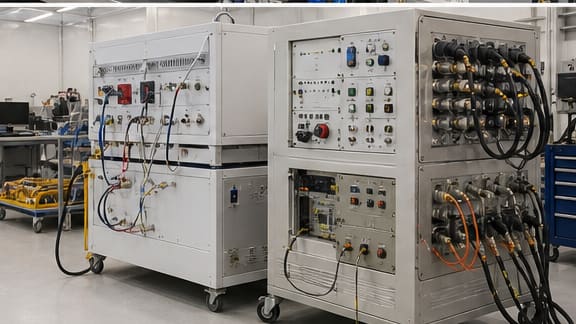
Aerospace electrical and electronic systems validation equipment
Engineering decisions before release

Control Critical Risks From Design Through Service

Aerospace PCB/PCBA projects require control of materials, signal integrity, component sources, inspection, traceability, and design changes from engineering through production and service.

Environmental Reliability

Confirm materials, thermal limits, vibration resistance, and mechanical support for the intended operating environment.

RF & Signal Integrity

Maintain the required stack-up, impedance, dielectric properties, reference planes, and critical routing geometry.

Supply Continuity

Control approved sources, lifecycle status, alternates, and substitutions before any component change is made.

Traceability & Change Control

Keep materials, processes, inspection, test, and revision records tied to the approved build.

Aerospace application coverage

Electronics Routes Shaped by the End Application

Application requirements determine the materials, electrical and mechanical construction, reliability controls and required documents. Final manufacturing requirements are confirmed from your project files.

Avionics and flight control electronics
01 / AVIONICS

Avionics & Flight Control

Control, display, navigation and interface electronics where approved revisions, signal integrity and verification evidence must remain aligned.
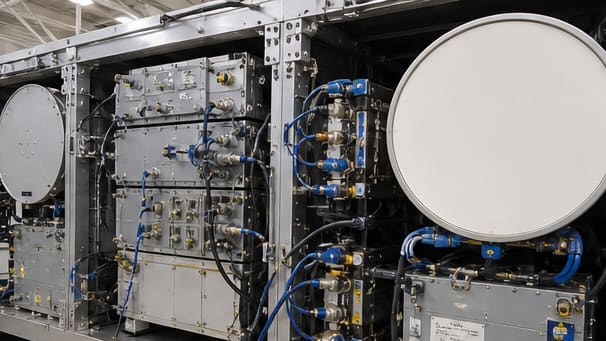
Aerospace radar and radio frequency equipment
02 / RF SYSTEMS

Radar & RF Electronics

Material, controlled impedance, RF launch, grounding, thermal and inspection requirements reviewed as one electrical construction.
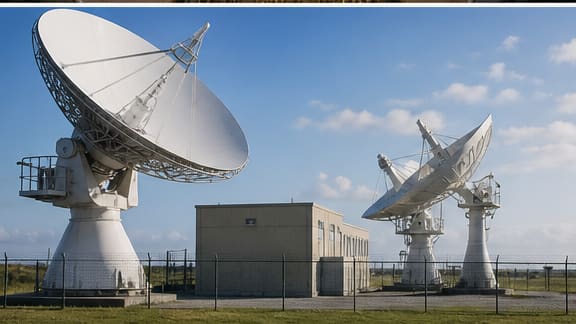
Navigation and communications
03 / COMMUNICATIONS

Navigation & Communications

High-speed, timing, power and interface decisions coordinated with stack-up, component control, assembly and project-defined testing.

Aerospace electrical power conversion validation equipment
04 / POWER

Power Conversion Electronics

Current paths, copper, insulation, heat transfer, component spacing and mechanical integration reviewed before fabrication release.
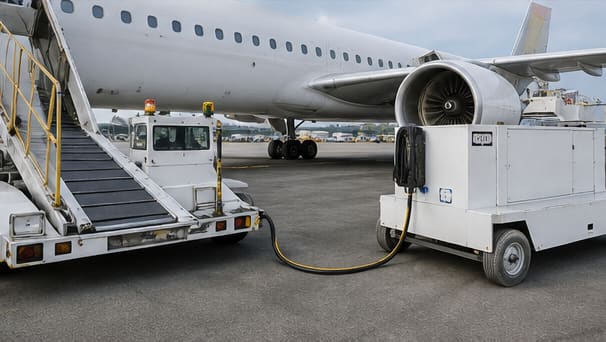
Ground support equipment beside an aircraft
05 / SUPPORT

Ground Support Equipment

Robust control, interface and power assemblies prepared for service access, repeat production, inspection and controlled maintenance records.
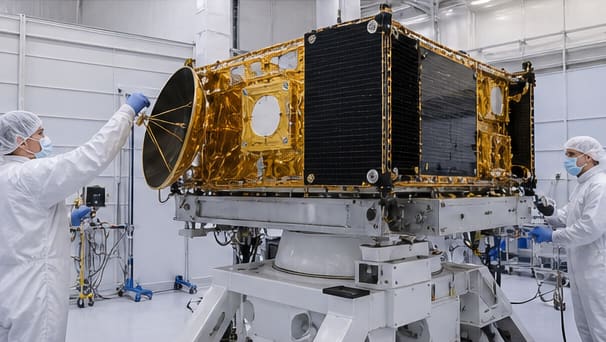
Satellite integration in a cleanroom
06 / SPACE

Satellite & Space Electronics

Project-specific material, cleanliness, thermal, reliability, documentation and release requirements separated from routine constructions before quotation.

Capability and evidence matrix

What the Engineering Review Confirms Before Commitment

Published capabilities are screening references. The approved quotation records the construction, tolerances, inspection, test coverage, schedule and release conditions for the actual files.

Engineering team reviewing PCB project files before production
Aerospace engineering review covering project files, manufacturing controls and inspection requirements.
Program inputsReleased schematic or netlist, Gerber or ODB++, BOM and AML, drawings, specifications, quantities and acceptance requirements.
PCB constructionMaterial family, stack-up, copper, impedance, drill, finish, thermal path, rigid-flex or RF requirements confirmed from the design.
Component supplyApproved manufacturer, source, date or lot information, lifecycle status, alternates and customer authorization route.
Assembly & inspectionAssembly class, process controls, workmanship criteria, AOI, X-ray and other inspection coverage defined for the build.
TestingElectrical, ICT, FCT, programming and customer-defined acceptance methods reviewed where they are part of the released scope.
Release recordsApproved revision, materials, processes, inspection, test, nonconformance disposition and delivery records linked to the production lot.
Controlled manufacturing process

From Project Requirements to Controlled Production

Your aerospace PCB or PCBA project moves through a defined process from file review and prototype validation to production, testing, and final records. Each stage is confirmed against the approved project requirements before moving forward.

01

Requirements Review

Confirm available files, BOM, quantities, quality requirements, test needs, and NDA requirements.

02

Engineering Review

Review stack-up, materials, impedance, tolerances, assembly requirements, and manufacturability risks.

03

Prototype & NPI

Build and verify prototypes or pilot lots before moving into repeat production.

04

PCB & PCBA Production

Manufacture and assemble against approved files, BOM revisions, materials, and process requirements.

05

Inspection, Testing & Records

Complete required inspection and testing, with traceability and production records linked to the finished build.

PCB and PCBA project requirements

Different Aerospace Requirements Require Different Production Plans

Construction and required manufacturing records are confirmed after file review.
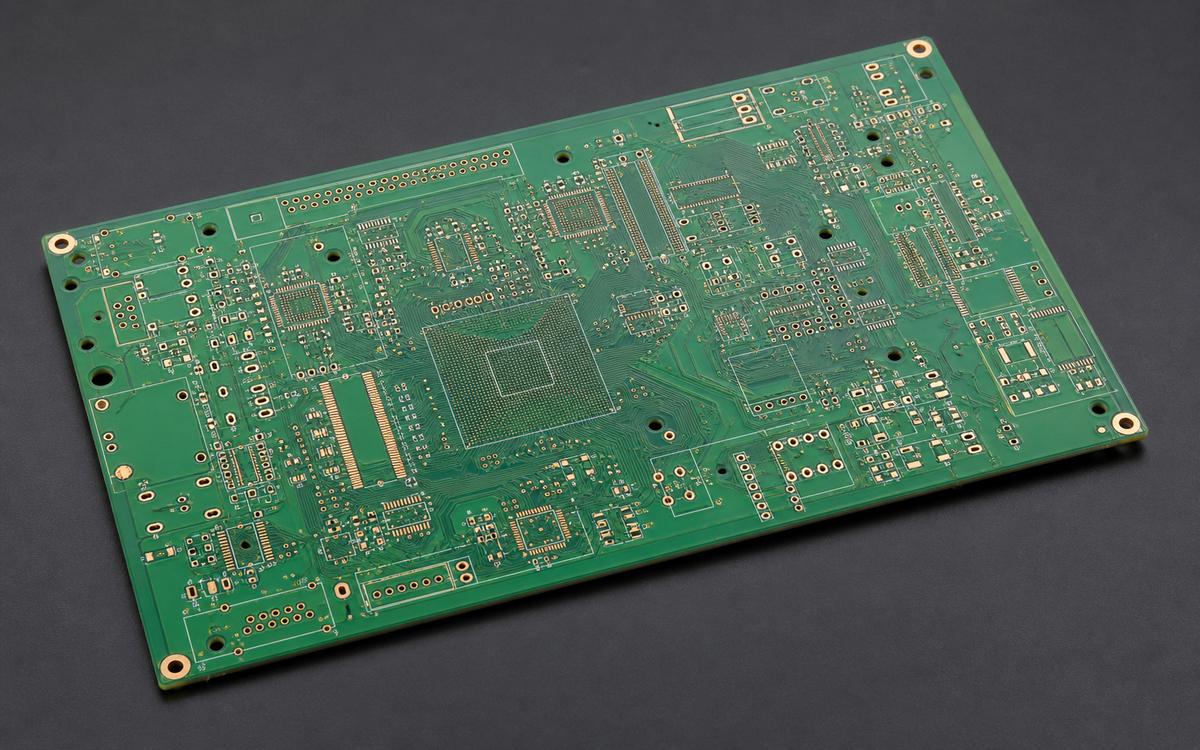
Multilayer control PCB

AER01 / PROJECT REQUIREMENTS

4-Layer Tg 150 PCBA With 6-Up Panelization

The PCB requirements for this PCBA project specified a four-layer immersion-silver board supplied in six-board panels. The customer specified breakaway connections, tooling rails and optical fiducials, with panel artwork approval required before production.
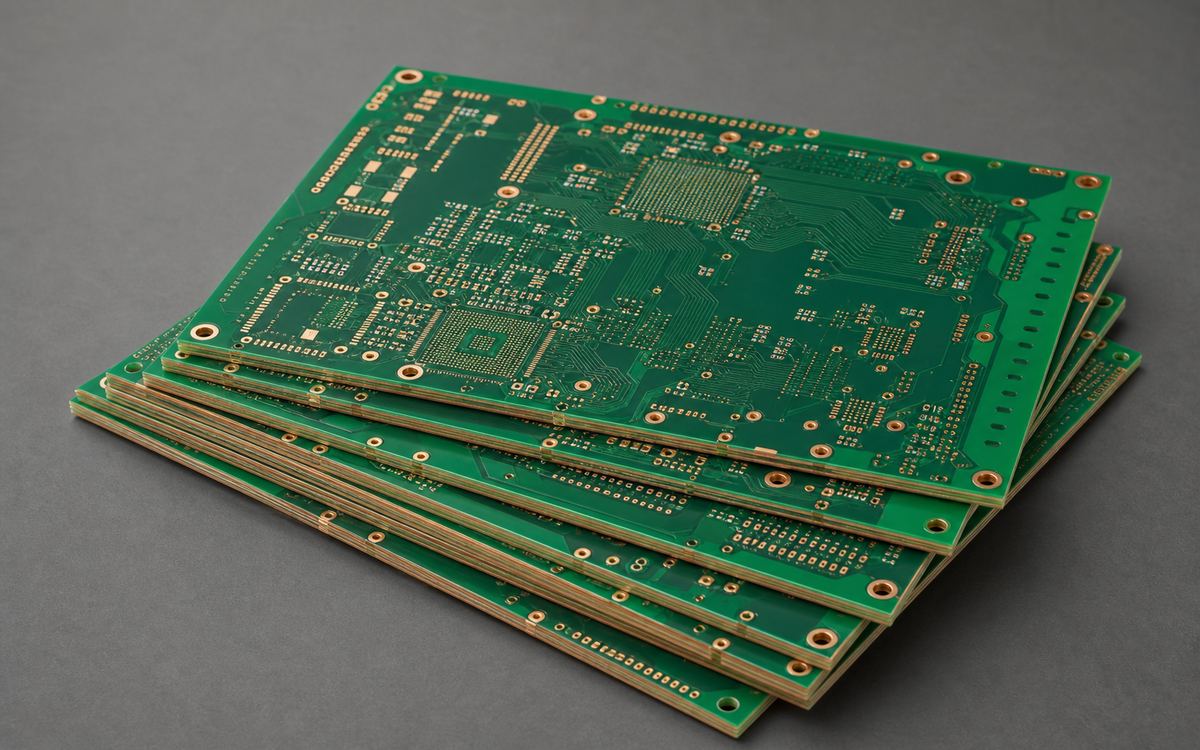
Laminate
Tg 150°C.
Finished thickness
1.619 mm ±10%.
Copper weight
1 oz on all inner and outer layers.
Surface finish
Immersion silver; green solder mask and white silkscreen.
Panel format
6 boards per set, with 5 mm tooling rails on all four sides.
Breakaway tabs
Connecting bridges with mouse-bite perforations between boards.
Acceptance class
Customer-specified IPC-600 and IPC-6012, with “Class 3A” stated in the order.
First-article documentation
FAIR and CoC required to customer templates, addressing Class 3 requirements and AS9100 process controls.
Discuss Similar Project
Controlled impedance multilayer PCB

AER02 / PROJECT REQUIREMENTS

4-Layer FR-4 PCB With 10 mm Tooling Rails

This four-layer FR-4 order required wide tooling rails for handling, tented vias and fiducials on both sides. The customer also required panel artwork approval and shipment documentation with production traceability.
Layer construction
FR-4, Tg 150°C; 1.6 mm ±10%; outer copper 1 oz and inner copper 0.5 oz.
Via masking
All vias tented with solder mask.
Handling rails
10 mm wide on all four sides for handling operations.
Fiducial layout
Two per rail, provided on both top and bottom surfaces.
Optical target size
2 mm circular copper pads with 3 mm solder-mask openings.
Target positioning
5 mm from the board edge and 15 mm from each corner edge, per customer drawing.
Top-side identification
Customer-specified marking in white silkscreen over green solder mask.
Lot traceability
CoC to include production lot and serial numbers; customer-template FAIR also required for the specified IPC Class 3 and AS9100 process controls.
Discuss Similar Project
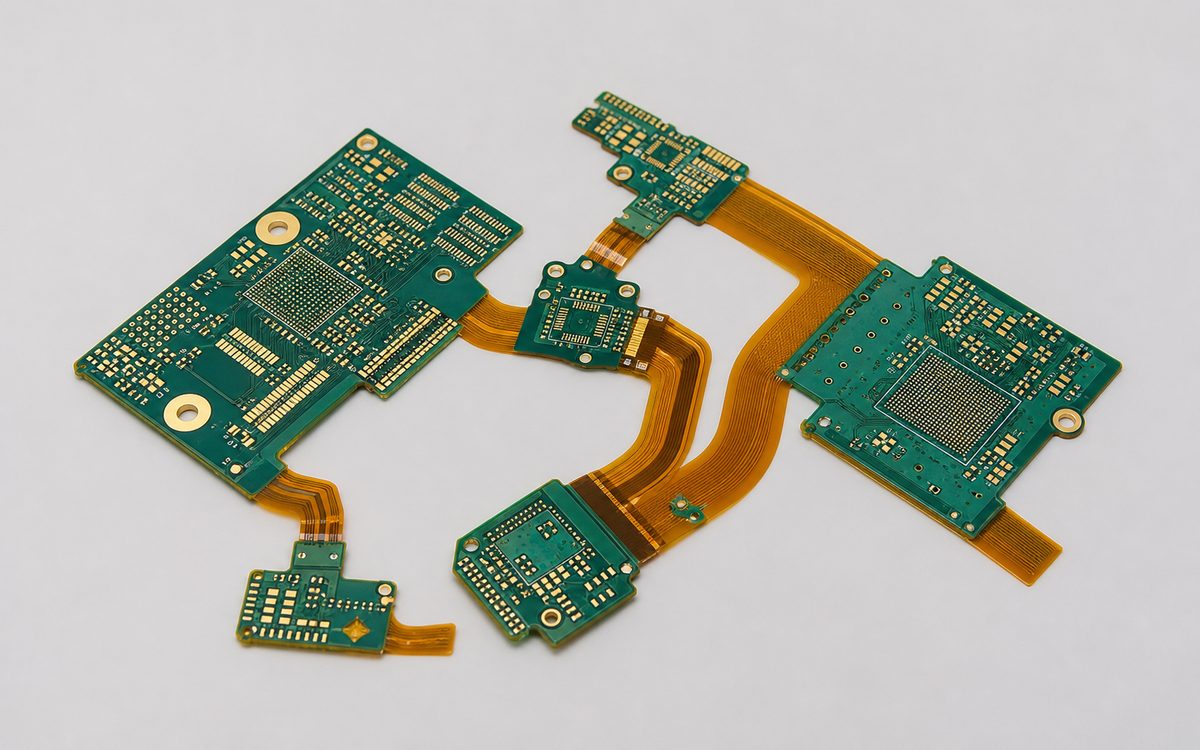
High-density rigid-flex PCB

AER03 / PROJECT REQUIREMENTS

6-Layer Tg 170 PCBA With 100 Ω Impedance

The PCB requirements for this PCBA project combined a thin six-layer FR-4 construction, blind vias, resin filling and L3 impedance control. The customer approved splitting the original L1–L5 blind-via connection into successive layer pairs with a 0.2 mm hole diameter.

Thin-board stack-up
Six-layer FR-4, Tg 170°C; 0.866 ±0.1 mm; IPC Class 2 specified.
Blind-via connections
L1–L2 and L1–L3; customer-approved replacement of L1–L5 with L1–L2, L2–L3, L3–L4 and L4–L5.
Revised hole diameter
0.2 mm for the split L1–L5 connection.
Resin filling
Blind vias resin filled and plated flat.
Controlled impedance
100 Ω on L3.
Bottom-side finish
Full-surface ENIG on the bottom layer; gold thickness specified as “1U” in the order.
MES identification
QR code laser-marked before SMT.
Shipment protection
Paper interleaves between boards.
Discuss Similar Project
Supplier qualification evidence

Aerospace PCB & PCBA Supplier Qualification Requirements

For aerospace PCB and PCBA projects, supplier qualification should also consider material traceability, production and inspection records, and final release documentation relevant to your project.

Review Compliance Evidence
Relevant Certifications

Confirm which certifications and quality systems apply to your project and manufacturing requirements.

Material & Component Traceability

Review approved sources, material records, lot/date code information, and authorized substitutions where required.

Production & Inspection Records

Review manufacturing, inspection, and test records linked to the production lot.

Final Release Records

Confirm required test results, traceability records, and release documentation before shipment.

Prepare a quote-ready review

Send the Inputs That Control the Aerospace Route

You do not need every answer before contacting EBest PCBA. Send the available files and identify the open questions; engineering will confirm missing inputs before quotation.

Gerber or ODB++ production data Schematic, netlist and fabrication drawing BOM, AML and sourcing restrictions Stack-up, impedance and material requirements Mechanical envelope and interface notes Inspection and test acceptance criteria Prototype and production quantities Delivery target and required records
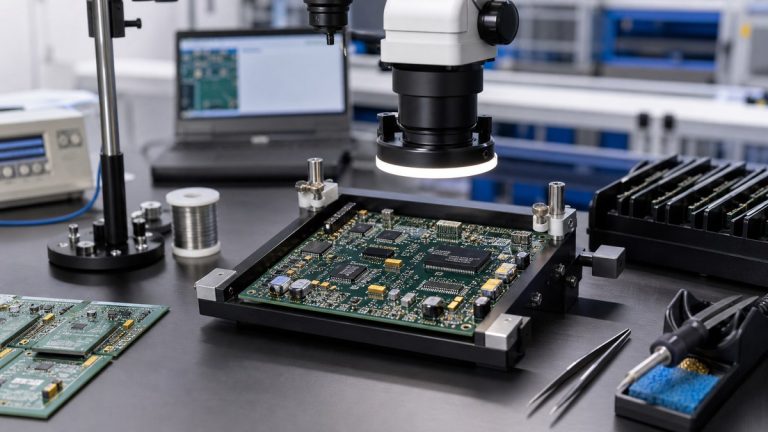
Aerospace Engineering Library

Engineering Resources for High-Reliability Aerospace Electronics

Explore practical guidance on PCB design, materials, inspection, traceability, and reliability requirements for aerospace electronics.
View All Engineering Articles  →

Move Your Aerospace Electronics Project Into Engineering Review

Send the available design files, sourcing constraints, quantities and acceptance requirements. EBest PCBA will identify project fit, missing inputs and the next quote-ready step.

FAQ

Aerospace PCB & PCBA Questions

What files should I send for an aerospace PCB or PCBA review?
Send the available Gerber or ODB++ data, schematic or netlist, BOM and AML, drawings, stack-up or impedance requirements, quantities, inspection criteria and test requirements. The review can start with partial information; EBest PCBA will identify what is still required before quotation.
How does AS9100D apply to my project?
The applicable legal entity, manufacturing site, certificate scope, current validity and project relevance must be confirmed during supplier qualification. A certification name on a webpage is not treated as project approval by itself.
Can EBest PCBA support IPC Class 3 assembly requirements?
Yes. IPC Class 3 assembly is listed as a published capability route. The applicable workmanship criteria, drawings, inspection coverage, customer requirements and acceptance evidence are confirmed from the released project files and quotation.
How are materials, components and revisions traced?
The released route can link approved materials and component sources with lot or date information, production revision, manufacturing records, inspection, test, disposition and delivery documentation. The exact traceability package follows the agreed project scope.
How are component obsolescence and substitutions controlled?
EBest PCBA reviews approved manufacturers, sourcing restrictions, lifecycle status and proposed alternates against the BOM and customer authorization route. A substitution is not treated as approved until the agreed review and authorization conditions are satisfied.
Can one supplier support prototype, NPI and repeat production?
Yes. EBest PCBA can connect layout and DFM review, prototype PCB, controlled fabrication, component sourcing, assembly, inspection, project-defined testing and repeat production under one released production process.
What testing can be included?
AOI, X-ray, electrical test, ICT, FCT, programming and customer-defined acceptance methods can be reviewed where applicable. Final test coverage, fixtures, limits, records and responsibilities are confirmed from the actual requirements.
Can I request an NDA before sending design files?
Yes. Contact EBest PCBA before exchanging controlled project documents and request the NDA route. After confidentiality is confirmed, send the available files to begin engineering review.